Many Latino youth face declining mental health amid the deadly COVID-19 pandemic, a racial/ethnic social justice movement, and economic hardships. Sadly, many aren’t getting the help they need, either. About 65% of Latino college students have mental health issues that go untreated, as they are less likely than their white peers to engage with campus mental health services, according to a new study from researchers at University of California, Riverside. “This means counselors can identify a culturally sensitive, value-driven approach to encouraging greater participation in campus mental health services, instead of focusing only on students’ ethnicity in their outreach efforts” said study senior author Kalina Michalska. “Given the increasing diversity among U.S. ...
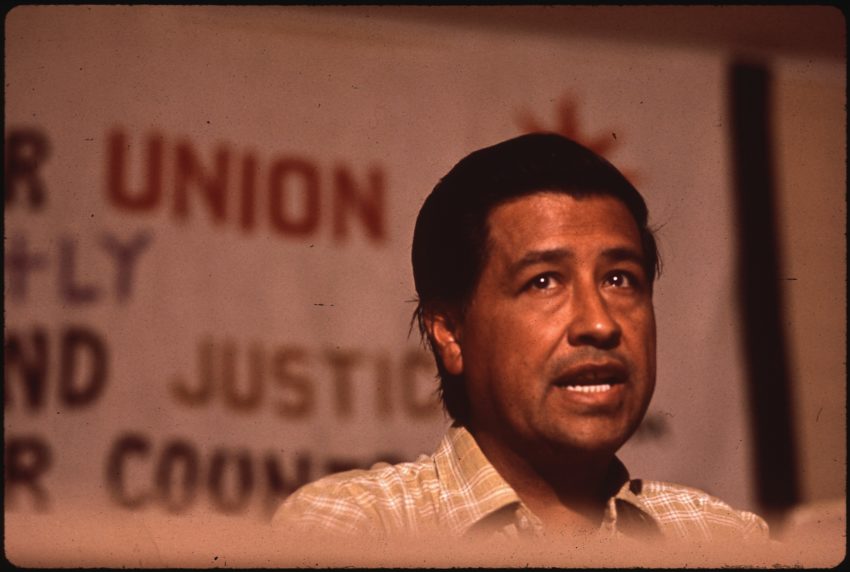
For years, Latino farmworkers suffered at the hands of corrupt businesses who underpaid laborers and took advantage of such workers. In response to these intolerant and harmful practices, one Latino stood up for the rights of his community — Cesar Chavez. He created organizations and led strikes focused on La Causa, “a movement to organize Mexican American farm workers.” Chavez’s action led to many protections for Latino workers throughout the U.S. For Chavez, it was his desire to help fellow Latinos that spurred his action. “We cannot seek achievement for ourselves and forget about progress and prosperity for our community,” he said. “Our ambitions must be broad enough to include the aspirations and needs of others, for their sakes and for our own.” For ...
2020 was a difficult year for many reasons. The combination of a deadly pandemic, a racial reckoning about police violence, and economic hardships have placed a heavy toll on many families. New research from America’s Promise Alliance and Research for Action shows how 2020 hurt high schoolers and their ability to thrive in school. They found that Latino youth were among the most impacted by the disruptions of 2020. “Young people are stressed and their mental health is suffering—with disproportionate impacts on young women and nonbinary youth, Latinx students, and youth experiencing food insecurity,” according to the report. Let’s examine how COVID-19 and the resurgence in racial justice activism have impacted high schoolers and the implications for Latino youth ...
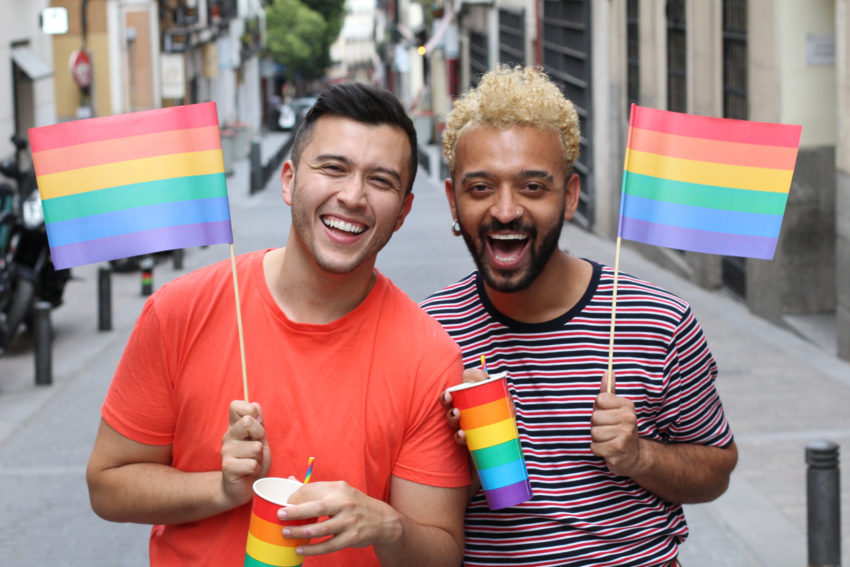
June marks LGBTQ Pride Month, which celebrates equality and visibility for the LGBTQ community. For LGBTQ Latinos, that means recognizing identity while raising awareness of disparities in HIV and AIDS treatment, mental health, and workplace discrimination. For some, it also means honoring the victims of the 2016 Orlando shooting at Pulse Nightclub, where most of the 49 victims were LGBTQ Latinos. Pride celebrations may be somewhat limited in various cities due to the ongoing COVID-19 pandemic. But still, LGBTQ Latinos raise awareness and are proud. “For sure, when you are with other people you feel empowered and you feel solidarity. But you cannot cancel true pride. It is the product of many victories and struggles,” said Pedro Julio Serrano, a human rights activist ...
Latinos widely agree that the immigration system in the United States needs a large overhaul, according to a new survey by PEW Research. “A majority of Latino immigrants and those born in the U.S. share the view that the country’s immigration system needs fixing, and this sentiment extends across all ages and education levels,” according to researchers Jens Manuel Krogstad and Mark Hugo Lopez. While most Latinos agree changes are needed in immigration policy, priorities differ depending on political party and legal status. This survey of Latinos on immigration comes four months into the Biden presidency, which has promised to enact various changes that would help Latino immigrants. These include defunding the U.S. and Mexico border wall, ending family separation at the ...
President Joe Biden has vowed to completely reform how the U.S. handles immigration. In the first two weeks of his presidency, Biden has begun taking action to stop the border wall, family separation, support DACA recipients, reverse the public charge rule, and is planning further legislation to create an easier path to citizenship for immigrants. How does Biden’s immigration reform affect Latino immigrants? Let’s take a look at the different immigration policies Biden has in store. Update 3/10/21: Biden's administration stopped enforcing the public charge rule first enforced by Donald Trump's administration, according to CBS News. Update 7/22/21: The US Department of Health and Human Services (HHS) reaffirmed that the public charge rule is no longer in effect and ...
Immigration is difficult and often traumatic. People who immigrate to the U.S. often face a dangerous journey only to be met with aggression and xenophobia at the border. It can lead to loss of hope, anxiety, depression, and even suicide. Cheryl Aguilar wants to help families experiencing the trauma of immigration and adjusting to new life in the U.S. Aguilar immigrated from Honduras as a teenager, an experience that helped guide her to give back to immigrant communities. Aguilar is a clinical social worker and founding director and therapist at the Hope Center for Wellness. “As a therapist, one of the things that I do is help individuals, families, and communities heal from whatever distress, trauma, or experiences they might have encountered. I believe in holistic healing, ...
Latino LGBTQ youth are 30% more likely to attempt suicide than non-Latino LGBTQ youth, according to a new study by the Trevor Project, a non-profit focused on suicide prevention for LGBTQ youth. Part of the reason is the stress-related stigma, discrimination, and difficulties expressing gender and sexual identity, which many LGBTQ people of color face. But, unfortunately, Latino LGBTQ youth also often deal with the stress of immigration, which can take a heavy toll on a person’s mental health. “The higher risk of attempting suicide among Latinx LGBTQ youth compared to non-Latinx LGBTQ youth can be explained by greater worries about themselves or family being detained or deported due to immigration policies,” according to the Trevor Project.
LGBTQ and Mental Health
Members ...
This is part of the Salud America! Achieving a Cohesive Culture for Health Equity in Latino and All Communities: A Research Review»
Impact of the Affordable Care Act
The Patient Accountability and Affordable Care Act, generally referred to as the Affordable Care Act, or ACA, was signed into law in March 2010. The ACA was designed to expand insurance coverage, improving access to health care. Key provisions were included to benefit those of lower SES, including Medicaid expansion and federal health subsidies for those living at 138% of the federal poverty level, and large subsidies for those at 100% to 400% of the federal poverty level who purchased insurance plans through ACA exchanges. In January 2014, the most impactful ACA provisions took effect, including the expansion of ...