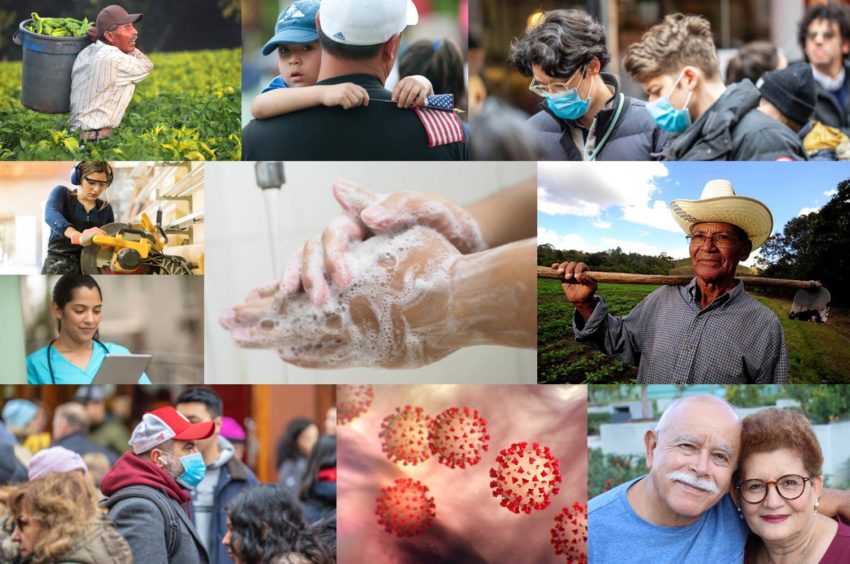
COVID-19 doesn't discriminate. But U.S. Latinos are more likely than all Americans to say the coronavirus pandemic changed their daily lives, and disrupts their mental health, finances, and jobs, according to new Pew Research Center surveys. "Latinos make up significant portions of the hospitality, construction, leisure and agricultural sectors of our labor market, and are the largest uninsured population in America," wrote Kristian Ramos, ex-spokesman for the Congressional Hispanic Caucus, for The Hill. "These workers and uninsured families are unable to telecommute, will not be paid if their jobs are lost, and likely do not have immediate access to health care."
Latino Daily Life During COVID-19
Early on in the outbreak, Pew Research Center reported that a higher percentage of ...
Coronavirus can affect anyone. But experts warn that COVID-19 will cause more suffering among U.S. Black and Latino workers, due to societal inequities shaped by structural racism and low-paying jobs with no chance of telework. "When the COVID-19 pandemic has ended in this country, we will see an unequal distribution of infections and deaths along the intersecting lines of race and class," wrote labor historian Christopher Hayes in the New Jersey Star-Ledger. UPDATE 4/23/20: 26 million people have filed jobless claims in the past five weeks, NBC News reports. Why is this?
Coronavirus Compounded: Income Inequities among Latino Workers
These statistics show a glimpse of how much Latino workers earn: 1 in 3 Latinos live in poverty.
1 in 2 Latino families are ...
As the current novel coronavirus continues to spread, one fact has become clear: Governments around the globe were not prepared — especially concerning environmental impacts. While there is no direct link between pollution and the risk of developing COVID-19, yet, studies have shown that poor air quality can raise one's susceptibility to disease. Worse, high rates of toxic exposure can lead to poorer outcomes of those illnesses. Disadvantaged groups, including Latinos, are in greater jeopardy as they are the ones who live in the areas with more significant amounts of air pollution. "There's lots of evidence that air pollution increases the chances that someone will get pneumonia, and if they get pneumonia, will be sicker with it," Aaron Bernstein, interim director of the ...
Cancer patients are at higher risk for the new coronavirus COVID-19, as well as more severe outcomes of the diseases, than those without cancer, health experts say. What does this mean for your cancer journey? For treatment? Screening? Clinical trials? Latinos and vulnerable populations? "We don't want to be overly alarming, but the truth is that Latino and all cancer patients should be concerned about COVID-19 because they are at higher risk," said Dr. Amelie G. Ramirez, leader of Salud America! and associate director of community outreach and education at the Mays Cancer Center at UT Health San Antonio. "So we want to help spread truthful, equitable information that will help all cancer patients in their journeys." Here are some important issues for cancer patients and ...
With the rise of COVID-19, our team at Salud America! is digitally curating content about what the coronavirus pandemic means for Latino health equity. We want to ensure Latinos get an equitable share of culturally relevant information. You can do your part! Share our Latino COVID-19 Vaccine "Change of Heart" Bilingual Storytelling Campaign in English or Spanish. We hope to move Latinos from vaccine hesitancy to vaccine confidence through telling stories of real Latinos who ended up getting the vaccine! Share our "Juntos, We Can Stop COVID-19" bilingual campaign to stop the spread! Share our infographic on 8 ways coronavirus impacts Latinos (English | Spanish).
Follow our content that has increased exposure to Latino health equity amid the pandemic, according to a ...
Older people are highly susceptible to the coronavirus COVID-19, but young adults aren't off the hook, either. Almost 40% of U.S. coronavirus patients who were sick enough to need hospitalization were between the ages of 20 to 54, according to recent CDC data. "I think everyone should be paying attention to this," Stephen S. Morse, a professor of epidemiology at Columbia University's Mailman School of Public Health, told the New York Times. "It's not just going to be the elderly. There will be people age 20 and up. They do have to be careful, even if they think that they're young and healthy."
Why Coronavirus is a Concern for Young People
Globally, officials are reporting 246,276 confirmed cases or coronavirus, with 90,000 recoveries and 10,000 deaths. Out of the 508 U.S. ...
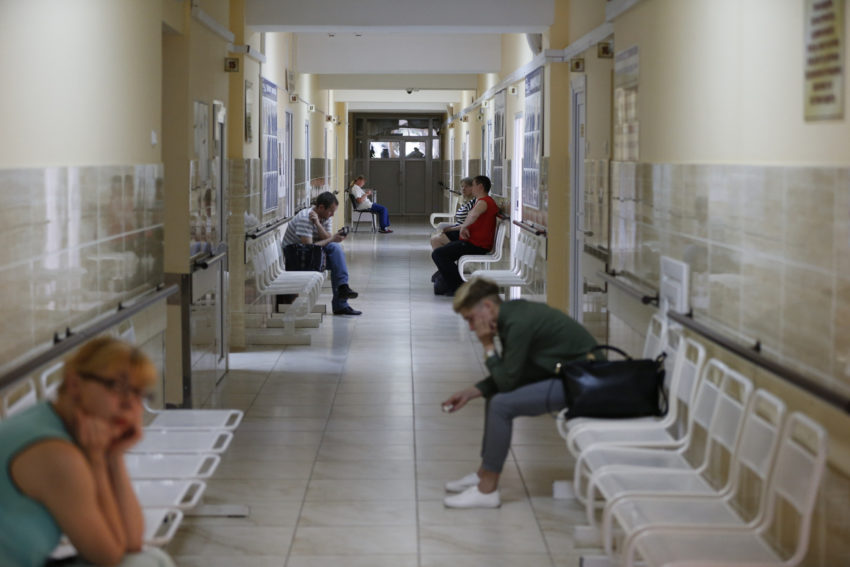
Time and again, statistics go to show that communities of color, including Latinos, face a rampant and widespread lack of access to quality healthcare. In this state of emergency that the U.S. faces with the outbreak of the current novel coronavirus, COVID-19, those disadvantages are worse than ever. Disadvantaged groups currently, and will continue to, experience burdens in receiving, affording, and managing medical treatment as the virus continues to spread. “Crises such as H1N1 and COVID-19 provide a mirror for our society and the actions we take — or fail to take,” writes Dr. Richard E. Besser, the president, and chief executive of the Robert Wood Johnson Foundation, in the Washington Post. “Today, the United States in that mirror is one in which the risk of exposure ...
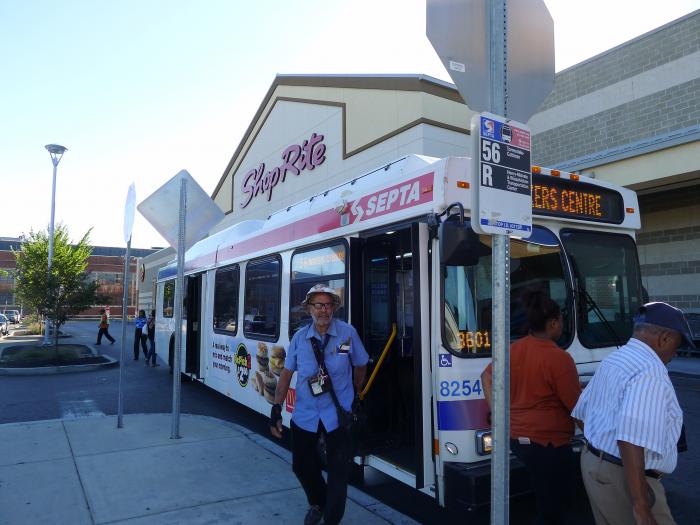
Everyone deserves a safe and reliable way to get to healthy food—whether a supermarket, corner store, food bank, farmers market, or community garden. Unfortunately, many Latinos and people in low-income communities, rural communities, and communities of color are disproportionately burdened by long and unreliable commutes, as well as unsafe routes to nutritious food. That’s why the Safe Routes to Healthy Food Task Force worked for two years to refine the concept of safe routes to healthy food. Now they’ve released a new report with policy implications, opportunities, and recommendations. “This collaboration demonstrated that improving access to healthy foods for people without cars can be improved by a variety of sectors, including: transportation, healthy food access, ...
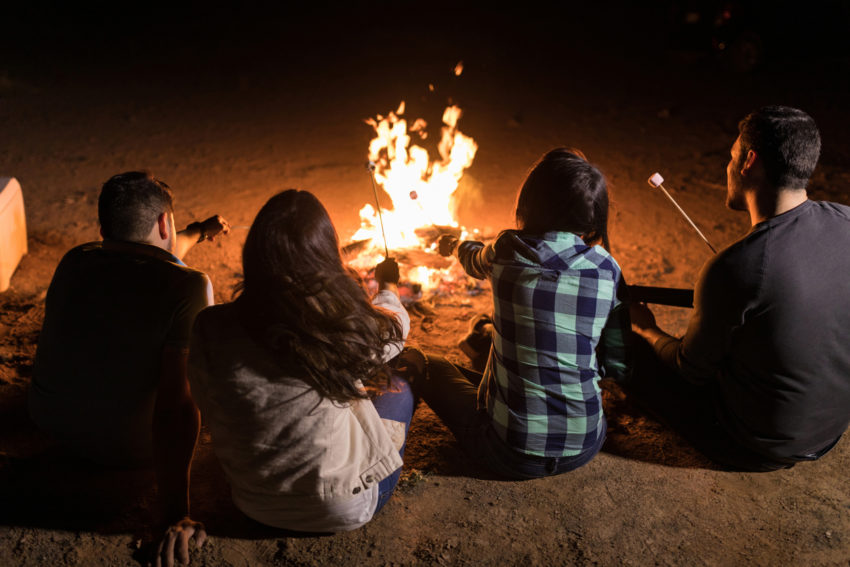
Sitting around a fire can be a great source of warmth and fun for most; however, it also has the potential to cause a host of health complications. Tiny toxins—PM2.5 (pollution particles measuring 2.5 micrometers or less)—commonly known as “combustion particles” come from these fires and can cause some severe health impacts, research shows. Even worse, those using wood-burning stoves can face some of the worst effects. "We are increasingly concerned about particulate matter air pollution and other forms of air pollution," Dr. Joel Kaufman, professor of environmental and occupational health sciences, medicine and epidemiology at the University of Washington in Seattle, told the American Heart Association. "There's increasing evidence that certain pollutants are associated ...