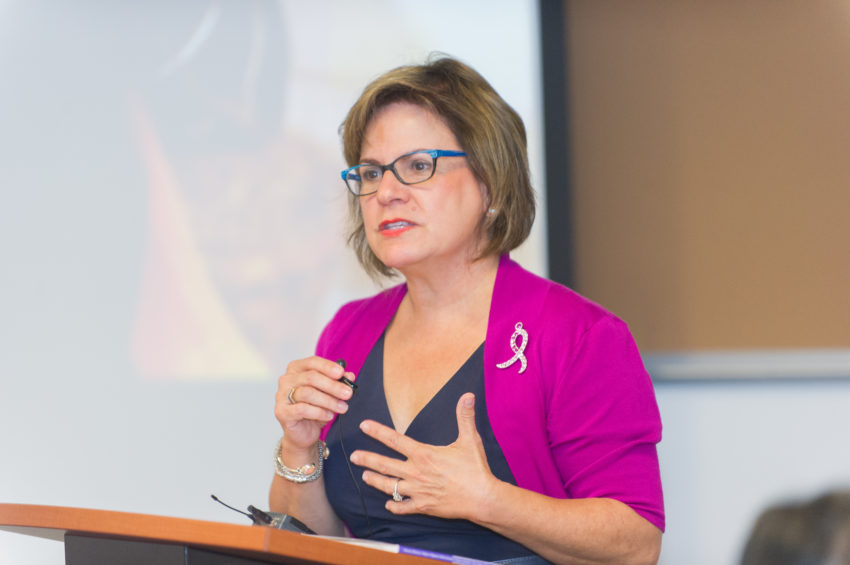
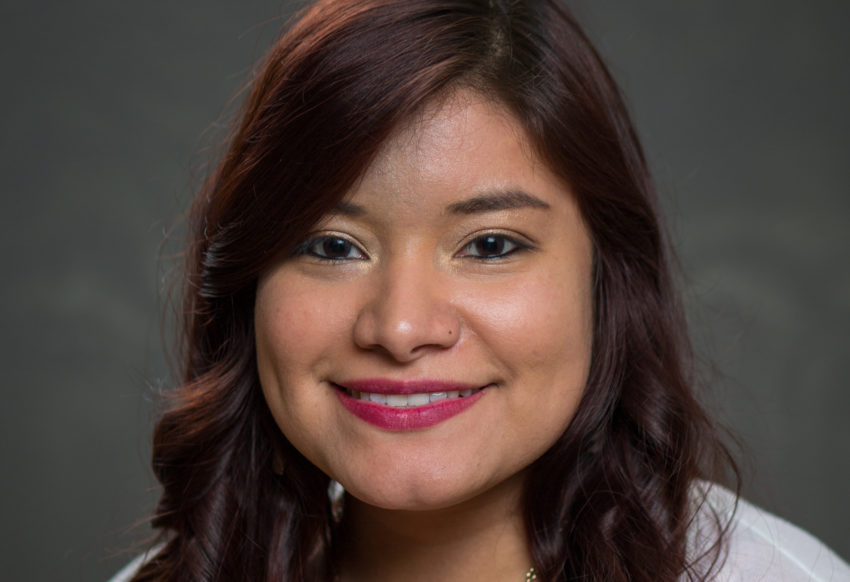
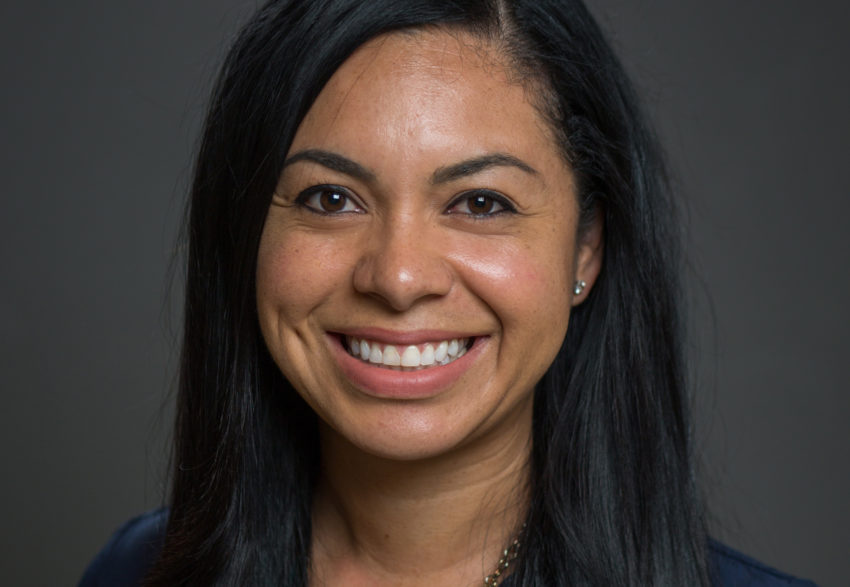
Dr. Amelie G. Ramirez, a top cancer researcher and director of Salud America! and the Institute for Health Promotion Research at UT Health San Antonio, today was named one of 12 new "Komen Scholars" by Susan G. Komen, the world’s largest non-profit funder of breast cancer research. Komen Scholars are an advisory group of distinguished leaders in breast cancer research and leadership. Each scholar—chosen for their knowledge, leadership, and contributions to breast cancer research—will help guide Komen’s $956 million research program, present at national meetings, and serve as experts and leaders for Komen’s nationwide network of affiliates and in communities around the globe. Ramirez, as part of being named a Komen Scholar, will receive $600,000 over three years to study ...
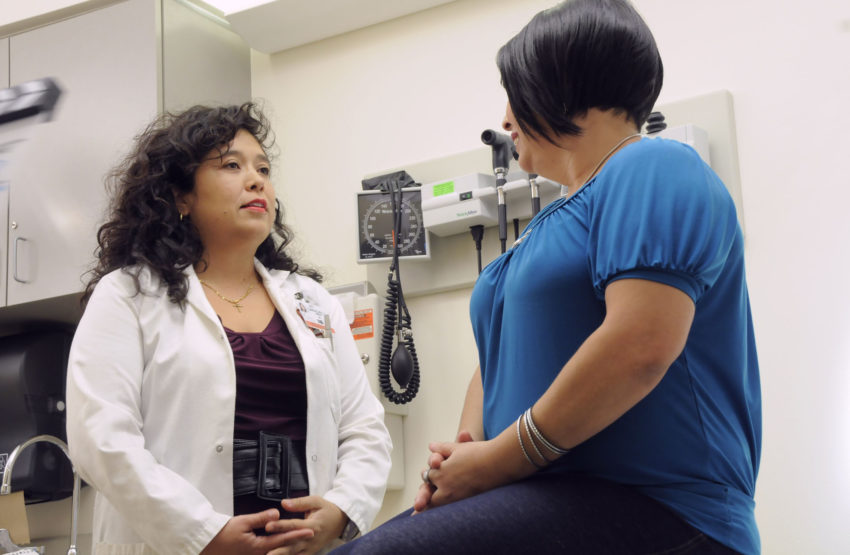
Latinos are sorely underrepresented in clinical research and the healthcare workforce, said a minority health leader. Dr. Eliseo Perez-Stable, director of the National Institute on Minority Health and Health Disparities, called this issue a "crisis" during the recent National Hispanic Medical Association conference in March 2018, Medpage Today reports. He also covered these issues at UT Health San Antonio's Advancing the Science of Cancer in Latinos in February 2018.
Latinos & Clinical Research
Latinos face many health disparities in cancer. They tend to have low access to healthy food, physical activity, and social support services, according to Salud America! research. Yet they don't often join clinical trials, Perez-Stable said. "There hasn't been a single [prostate] ...
Oprah Winfrey is raising awareness about childhood trauma and the need for trauma-informed care. Childhood trauma—like abuse, neglect, and poverty—changes a child's brain, body and behavior. Behavior is often the first "red flag" of trauma. But too often caregivers, teachers, and law officers misinterpret that red flag as "bad behavior" that needs "fixing." They are rarely trained on the science of childhood trauma and how it affects Latino and all children. That is why Oprah Winfrey returned the city where she grew up facing poverty, sexual abuse and other negative experiences to explore the science of childhood trauma on 60 Minutes with trauma expert Dr. Bruce Perry.
Science Behind Adverse Childhood Experiences
What started as inquiry into high patient drop-out rates ...
Discrimination. Micro-aggressions. Going back to college with kids. With a mother who overcame these hurdles as an immigrant to the U.S. from Honduras, Alejandra Mendez learned resilience. Now Mendez always looks for opportunities for success, rather than possible barriers. Her optimism has enabled her to help people similar to her mother, conducting research on the impact of racial discrimination, and volunteering to help uninsured clinic patients. Mendez recently earned her master’s degree in public health in health behavior and health education from the University of Michigan School of Public Health. Under the guidance of her preceptor, Mendez conducted research on how racial discrimination affects health throughout the life course and adverse birth outcomes. Prior to her ...
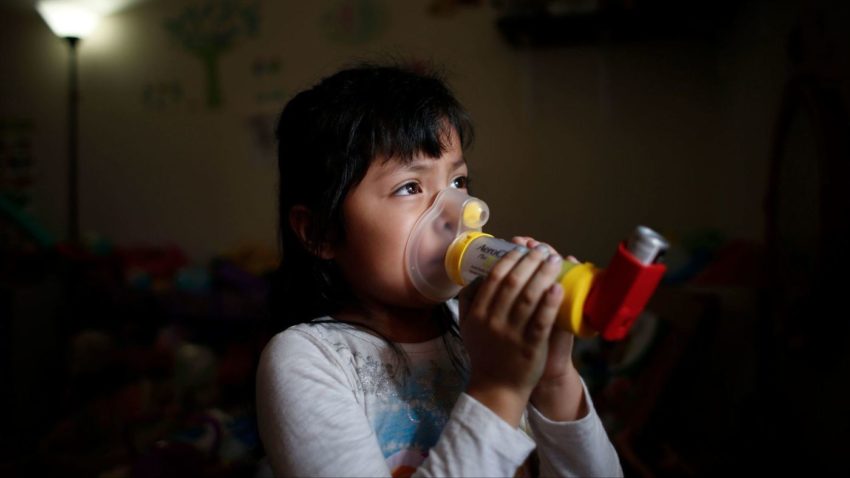
Did you know Latino kids are twice as likely to die from asthma than their peers? More than 1 in 10 U.S. Latino kids have been told they have asthma. These kids struggle with this incurable lung disease that causes recurring periods of wheezing, chest tightness, coughing, shortness of breath, and can result in missed days of school or emotional and physical stress. Why is this? Poverty plays a big role, but it's more than that, said Genny Carrillo of Texas A&M, who studies the disease. "Possibly due to more limited access to health insurance and health care providers and higher presence of environmental triggers such as pollution, dust and mold," Carrillo said. There is good news. A person with asthma can live and sleep without interruptions with proper ...
Latino families are often lack economic support and healthcare they need, which jeopardizes their kids' academic, social, and physical development, according to Salud America! research. But two San Antonio organizations may have the solution. Methodist Healthcare Ministries of South Texas is giving $175,000 to HASA—the health information exchange for San Antonio and other parts of the state—to expand their services by adding socioeconomic factors like housing, access to healthy food, and more social issues to patient's medical records, according to the San Antonio Business Journal. What does that mean? It means that healthcare providers will get a better look at a patients' health history, including clinical, social and behavioral risk. This will arm doctors with ...
Update: In December 2018, Healthy Equity Award prize winners were selected! Winners include Janeth Tapia of North Carolina Farmworkers Project in Benson, N.C., which provides access to affordable, quality health care for a population that is often politically marginalized and isolated Tapia educates health care providers about the hazards that farm workers face, and she helps farm workers take charge of and advocate for their own health. The program provides transportation and volunteer translators for medical visits, and it has worked for extended clinical hours so farmworkers can get care at night or on weekends. Have you worked hard to improve access to quality care, education, or the environment for Latinos or other minorities? Then you could win the Health Equity ...
“You’re never done, no matter how old you are. There’s always more you can do.” Eliani Uc, inspired by these words from her mother, has made the most out of the many changes and challenges in her life. In fact, the Mexico City native moved to San Antonio, learned a new language and culture, earned a bachelor’s degree in forensic science at Baylor University, earned a master’s degree in health in kinesiology at UT San Antonio, and now is pursuing her passion for nutrition and health promotion. Uc is currently a clinical registered dietitian at Methodist Healthcare System in San Antonio. Her research areas of interest are nutrigenetics, nutrigenomics, and their relation to cancer. To further her training and education, Uc applied for the Éxito! Latino Cancer ...
For Elidia Tafoya, calavera—the Spanish word for “skull”—has a positive connotation. It reminds her that opportunities in life are abundant. Tafoya is certainly taking advantage of growing opportunities to study health issues and promote healthy lifestyles among underserved populations. After earning her master’s degree in public health from San Jose State University in 2015, Tafoya has worked as a clinical researcher at Stanford School of Medicine. She manages several dermatologic projects, ranging from investigator-initiated, to industry, and federally funded clinical trials to test new therapies for skin conditions. Tafoya also has served as an advocate on a diabetes prevention program to reduce the risk of diabetes and minimize health disparities. Due to the ...