A stroke occurs when a blood vessel that carries oxygen and nutrients to the brain is either blocked by a clot or bursts. Every year, more than 795,000 people in the United States have a stroke. Many know the acronym FAST that helps identify a stroke – F (face drooping), A (arm weakness), S (speech), and T (time to call 911) – and can spur quick action to save lives. What can those who speak Spanish use? What does strokes in the Spanish-speaking community look like?
Using RÁPIDO to Identify a Stroke
While the FAST acronym can be helpful in spotting a stroke, it doesn't translate well in Spanish. In fact, just 58% of Latino adults in the U.S. can recognize stroke signs, compared to 64% of Black adults and 71% of white adults, according to a CDC ...
Growing up, David Acosta was blessed to be part of a loving family with his mother and father, four brothers, and an abuelita in Southern California. They found joy in helping each other and others. Acosta realized in childhood he wanted to choose a future career that would bring joy to others – he decided to become a doctor. "I knew from an early age that I wanted to go into medicine and help out,” Acosta said. “My family [was] probably most instrumental in me going down this path.” Acosta went on to get his medical degree, practice medicine, and now serves as workforce leader at the Association of American Medical Colleges (AAMC). But his path wasn’t always easy.
The 'Familia' Side of Medicine
Acosta was introduced to medicine and its ...
Did you know that 1 in 10 Latino have been diagnosed diabetes? In fact, the rate of diabetes is higher among Latinos (11.8%) than Whites (7.4%) and Asians (9.5%), according to CDC data. This is problematic because the disease takes a harsh physical toll, from vision loss to amputation and death, and a big healthcare toll, costing $237 billion in direct medical costs and $90 billion in lost productivity. For Latinos who have diabetes, having health insurance is critical to managing the disease. Let’s explore the state of diabetes among Latinos and what to consider when choosing a Medicare plan to help manage the disease.
Latinos and Diabetes Risk
If you’re a Latino adult, your lifetime chance of developing diabetes is over 50%, and you’re likely to ...
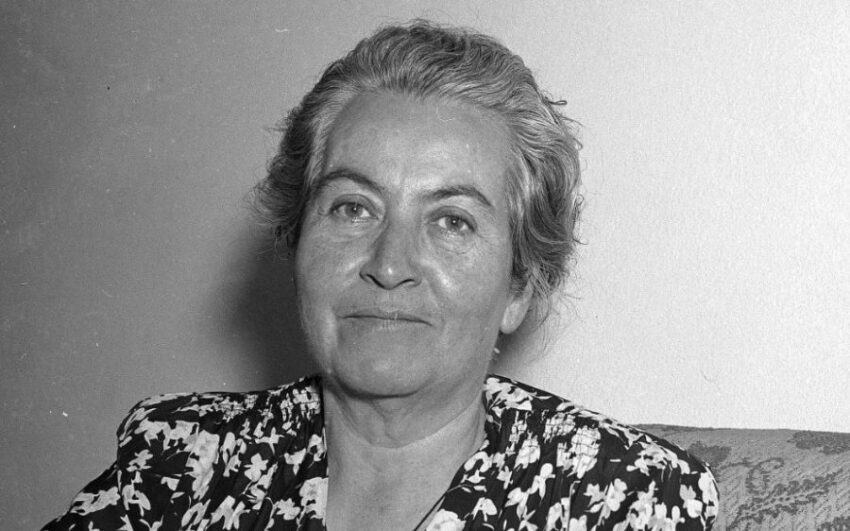
Gabriela Mistral, born as Lucila Godoy Alcayaga in Chile, was the first Latina author to receive the Nobel Prize in Literature in 1945. Her poems explore issues of spirituality, heartbreak, death, and childhood. But beyond her verse and prose, Mistral also changed lives in Latin America and beyond through advocacy, education, and diplomacy. “She tried to speak for [people] through her poetry, her many newspaper articles, her letters, and her talks and actions as Chilean representative in international organizations,” according to the Poetry Foundation. “Above all, she was concerned about the future of Latin America and its peoples and [lifestyles], particularly those of the native groups.”
Gabriela Mistral – Her Early Life
Born in 1889, Mistral grew up in a ...
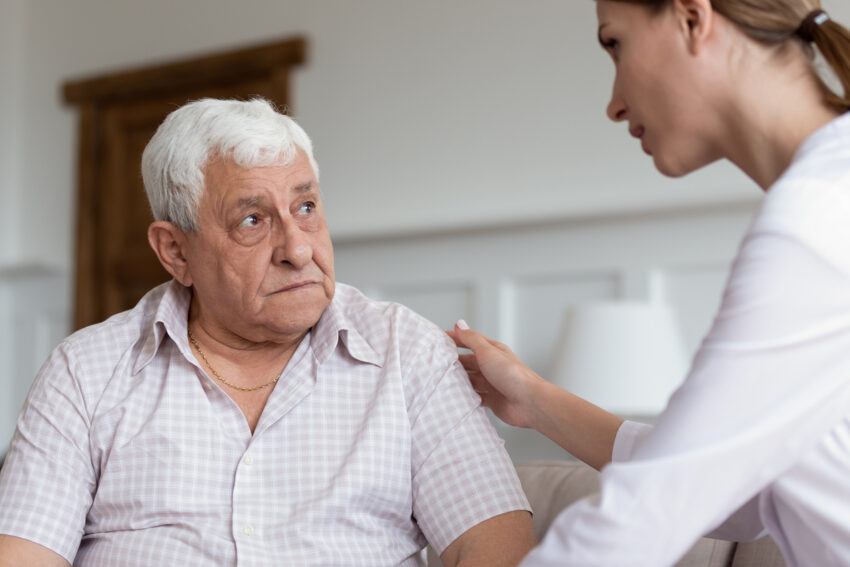
Parkinson’s disease is a brain disorder that causes uncontrollable movements, such as shaking, stiffness, and difficulty with balance, according to the National Institute on Aging. But what do you really know about Parkinson’s and your risk? Let’s dive into the causes, symptoms, and treatment of Parkinson’s and how it impacts Latinos and all people.
What Causes Parkinson’s Disease?
Parkinson’s disease is a progressive and chronic nervous system disorder that affects movement and is caused by destroyed nerve cells in the brain. “A decrease in dopamine levels leads to abnormal brain activity, causing symptoms of Parkinson's disease. However, it is currently unknown what causes the death of neurons in the brain,” according to dementia.org. While ...
Mental Health America (MHA) has published the Selfies, Social, & Screens: Navigating Virtual Spaces for Youth toolkit to help younger people’s technology habits. “Parents, caretakers, and household members act as the main influence on a child’s use of technology,” said Schroeder Stribling, President and CEO of Mental Health America. Let’s examine youth mental health, the helpful resources that this toolkit contains, and how you and others you know can benefit from it.
How Technology Use Impacts Mental Health
Virtual habits and activity can have a large impact on the mental health of young people. “Children and teens are dealing with the intense emotions of growing up in a digital age where much of their lives are spent online,” according to ...
Susan G. Komen, a national breast cancer research organization, has launched its Navigation Nation interactive learning community for patient navigators – those who help guide cancer patients to overcome challenges toward quality healthcare. The program brings individuals through a Patient Navigation Training Program and access to courses, webinars, and other educational events. “The training program gives navigators the tools and resources to overcome [challenges] for those experiencing breast health [inconsistencies] and provides a peer network and support system,” according to the Komen website. Learn more about this free program and what it entails, and how you can join.
What is Komen’s Patient Navigation Training Program?
This program was designed ...
Medicare can be a complex topic for anyone. Getting health insurance coverage through Medicare has many moving parts, from knowing where to start, to searching through plans, to choosing the right plan for you. Let's dive into Medicare and a few helpful tips to consider when choosing your plan.
What is Medicare?
Medicare is the federal health insurance program for people who are 65 or older, regardless of income, medical history, or health status. The program also covers certain younger people with physical and mental challenges and people with End-Stage Renal Disease (ESRD; permanent kidney failure requiring dialysis or a transplant). “Medicare plays a key role in providing health and financial security to 60 million older people and younger people ...
The Zero Breast Cancer (ZBC) organization created Generations, a campaign to give background relevant information to young adults about how endocrine disrupting chemicals and their impact on health across generations. ZBC has now adapted Generations educational tools into Spanish with Generaciones. “At Zero Breast Cancer, we believe that language should not be a [challenge] when it comes to accessing important health information,” according to ZBC. “Our goal is to educate young adults and other community members about the multi-generational impact of [endocrine disrupting chemicals] and inspire simple actions that we can take to reduce exposure.” Let’s dive further into these bilingual resources and why they’re important.
Protecting Future ...