How often do you think about your brain health? We can maintain our brain health with everything from exercise to quality sleep, but conditions such as brain tumors can affect the brain and disrupt our lives. For Brain Tumor Awareness Month in May, Salud America! at UT Health San Antonio is partnering with the Low Grade Glioma Registry to raise awareness of brain tumors, real people with brain tumors, quality of life, and caregiving among the Latino population. Follow along for a month of amazing content!
7 Things You Should Know About Brain Tumors
About 90,000 people are diagnosed with a primary brain tumor every year? For ourselves, our familia, and our comunidad, we should know a few important things about brain tumors so we can help all those impacted by a tumor ...
Often, Alzheimer’s and dementia caregivers put the needs of the person they are caring for above their own — neglecting their physical, emotional, and mental health in the process. While seen as a selfless act, when left unchecked, it can lead to depression. That’s why researchers at Texas Tech University are giving informal caregivers caring for a loved one with Alzheimer’s and dementia an opportunity to reduce their stress levels by offering free telehealth therapy. As part of the research study, eligible participants will meet once a week for 12-16 sessions with a therapist and fill out questionnaires and surveys before, during, and after therapy. These surveys are spaced out and only take 30 to 45 minutes to complete online, by mail, or over the ...
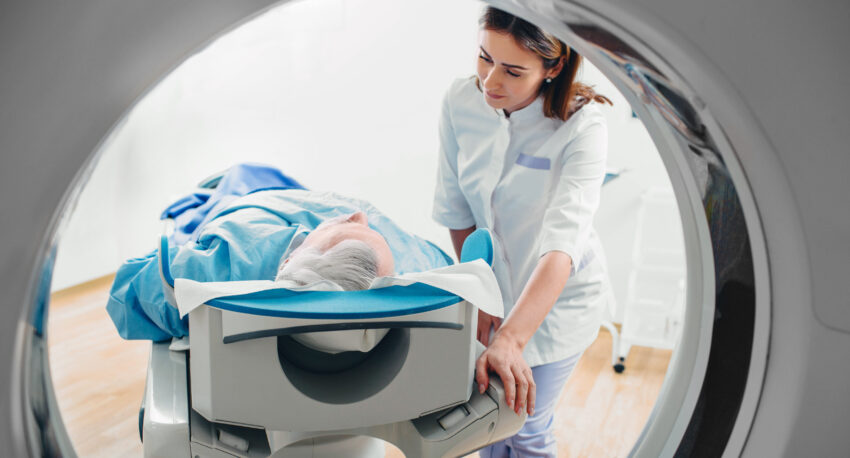
Did you know about 90,000 people are diagnosed with a primary brain tumor every year? Similarly, over 1.3 million people in the United States are living with a primary or secondary/metastatic brain tumor. For ourselves, our familia, and our comunidad, we should know a few important things about brain tumors so we can help all those impacted by a tumor diagnosis. Thankfully, the American Brain Tumor Association (ABTA) has amazing resources to help. Let’s explore and learn!
1. Know the Types of Brain Tumors
A brain tumor is a growth of abnormal cells that have formed in the brain. But not all brain tumors are the same. “Some brain tumors are malignant (cancerous), while others are not (non-malignant, non-cancerous or benign). A brain tumor can form in the brain or ...
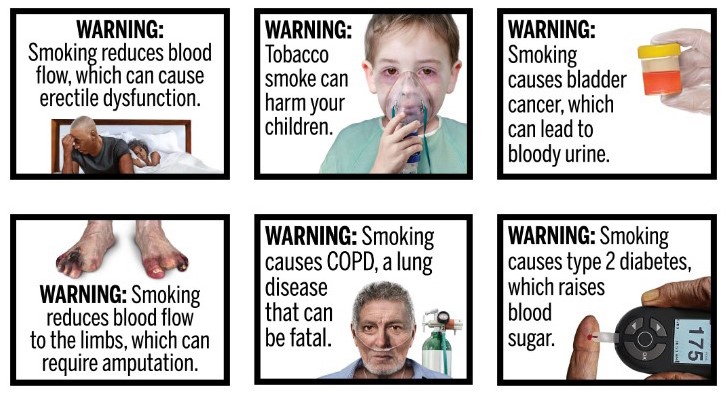
The U.S. Court of Appeals for the Fifth Circuit recently unanimously upheld the U.S. Food & Drug Administration’s mandate for graphic health warning labels on cigarette packs and advertising. The graphic health warning labels show written statements with photo-realistic color images depicting some serious health risks of cigarette smoking. Risks include impact to fetal growth, cardiac disease, diabetes, and more. In recent years, Salud America! members sent emails to FDA in favor of the labels. Now, the appeals court upheld the FDA requirement for the labels and rejected “arguments from R.J. Reynolds that the labels violate the First Amendment or take up too much space on packages,” according to the Public Health Law Center (PHLC). “In upholding the graphic ...
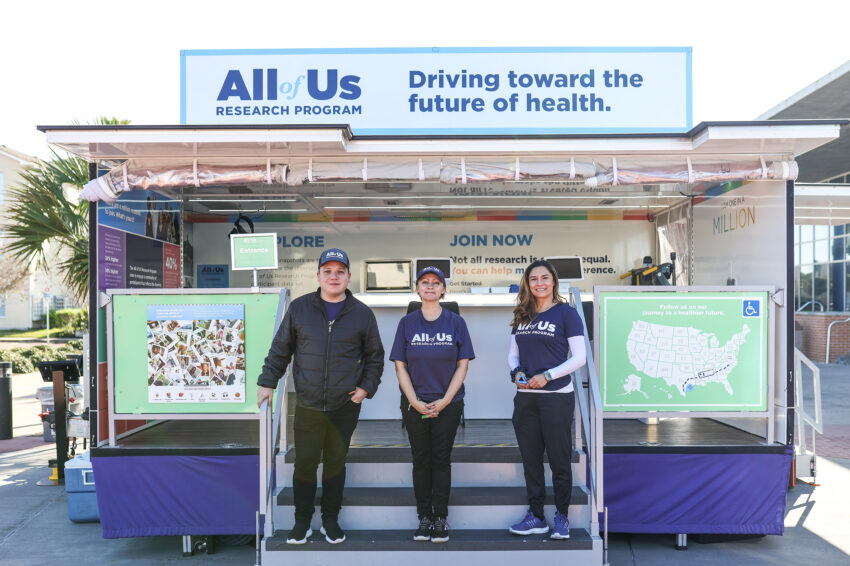
Sit down and buckle up because the National Institutes of Health’s All of Us Research Program could be pulling into a town near you!
On April 16, 2024, the All of Us Research Program announced its annual nationwide tour focused on engaging historically underrepresented communities in medical research, according to a recent news release.
The national mobile tour, dubbed “the All of Us Journey,” kicked off its route with stops on the East Coast in Ohio before eventually making its way to the New York area in early May.
Other East Coast stops include Washington, D.C., Maryland, and Virginia along with first-time destinations of Vermont, New Hampshire, and Rhode Island.
The program plans to visit more than 80 communities, including central regions like Texas, Colorado, and New ...
Dr. Amelie G. Ramirez, a native of Laredo, Texas, and leader of Salud America! at UT Health San Antonio, delivered the keynote address at the 2024 Commencement of the University of Texas Rio Grande Valley (UTRGV) School of Medicine. Ramirez is an internationally recognized researcher in cancer and chronic disease health disparities among Latinos. At UT Health San Antonio, she is chair and professor of Population Health Sciences at UT Health San Antonio, where she also is founding director of the Institute for Health Promotion Research and associate director of community outreach and engagement at the Mays Cancer Center at UT Health San Antonio. Over the past 30 years, Ramirez has led over 100 studies and programs to reduce health disparities, improve health equity, and ...
After careful consideration, the Institute for Integration of Medicine & Science (IIMS) at UT Health San Antonio and UTSA College for Health, Community, and Policy (HCaP) have announced the recipients of new Community Engagement Small Project Grants.
Five grantees were chosen to lead projects covering HIV/AIDS, faith’s impact on criminal rehabilitation, artistic influence on young brain development, and more, according to a recent university news release.
The grants, for one year and up to $5,000, aim to promote, develop, and expand community and scholarly research partnerships that benefit science and clinicians. Each project will meet local needs through community-engaged research or assessment, education, and distributing research results or policy implications.
This ...
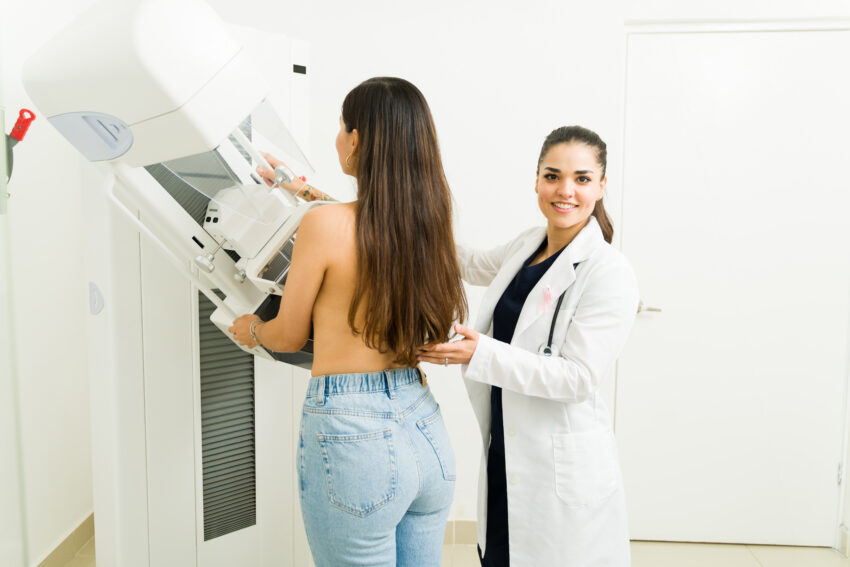
Every year, 240,000 women are diagnosed with breast cancer in the US, according to the Centers for Disease Control and Prevention (CDC). That’s why healthcare providers recommend women ages 50 to 74 get a mammogram – an X-ray of the breast that can help screen and diagnose cancer – every two years. However, only about 3 in 4 women in that age group has had a mammogram in the past two years, as of 2022, according to a new study by the CDC. For women who experience health-related social needs, even fewer haven’t gotten one. This is alarming because, while mammograms can reduce the number of breast cancer deaths by 22%, this cancer is the top cause of death among Latinas. Let’s explore the social determinants of health (SDoH) that are creating barriers to ...
Calling all budding young public health leaders in The Alamo City!
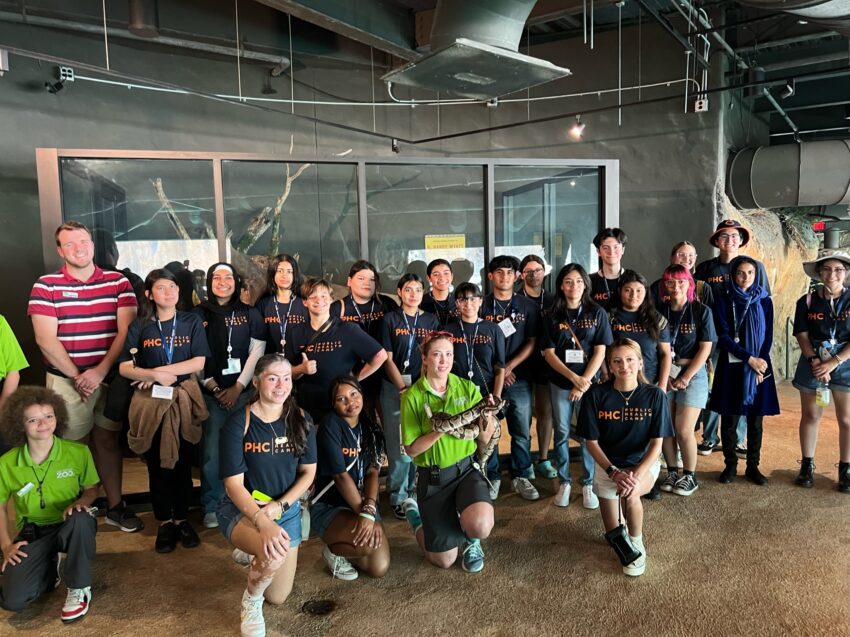
UT Health San Antonio is giving teens in the 11th and 12th grades the chance to expand their horizons and learn what it truly means to devote yourself to the public health field by hosting a free summer camp.
The camp, which is free to attend and runs from June 17-21, 2024 in San Antonio, opens up the world of public health to students interested in careers like epidemiology, nutrition, researcher, and occupational health and safety.
For a week, teens will dive into the 10 Essential Public Health Services, which make up public health’s core functions; assessment, policy development, and assurance.
Campers will be exposed to some of these aspects through field trips around San Antonio, giving teens an inside look at ...