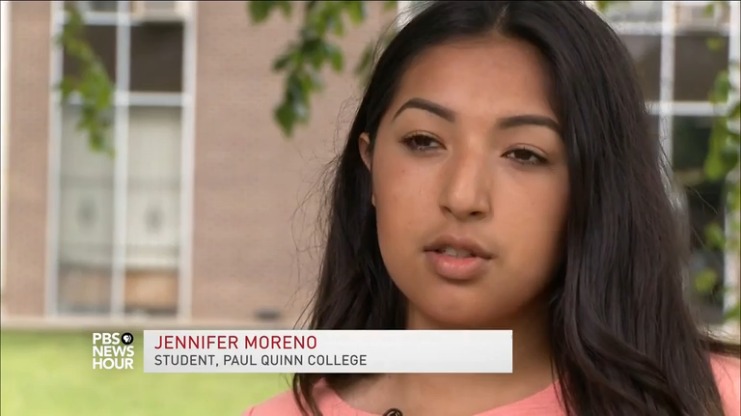
Back in 2009 Paul Quinn College in Dallas, Texas, was about to go bankrupt, but President Michael Sorrell flipped the economic future of the school and the students by creating a farm out of the football field. "Why should we tie everyone's future to athletic success?" Sorrell asked PBS. The school has not only been growing healthy food but has also been growing in the student Latino population, where 20 percent of incoming students in 2015 were Latino, Sorrell told The Atlantic. Dallas, Texas with 39.5% Latino population, is mainly an urban population, where small college's like Quinn College can open their doors to the growing college ready Latino population, explained Sorrell. The farm is attended and worked on by students to help fund their education, feed populations in ...
Latinos and other minorities suffer many inequities, such as less income, education, access to healthcare, and more. This puts them at greater risk for obesity and disease. That's why we're excited the Robert Wood Johnson Foundation is spending $1.5 million to create Allies for Reaching Community Health Equity (ARCHE). ARCHE is a yearlong health equity initiative to strengthen families and communities and build a culture of health, led by the Center for Global Policy Solutions. The program will advance equitable public health strategies across the social determinants of health that work to combat disparities by race, gender, geography, and income while supporting healthier kids and communities. "Health is often overlooked as a key indicator of socioeconomic inequality," ...
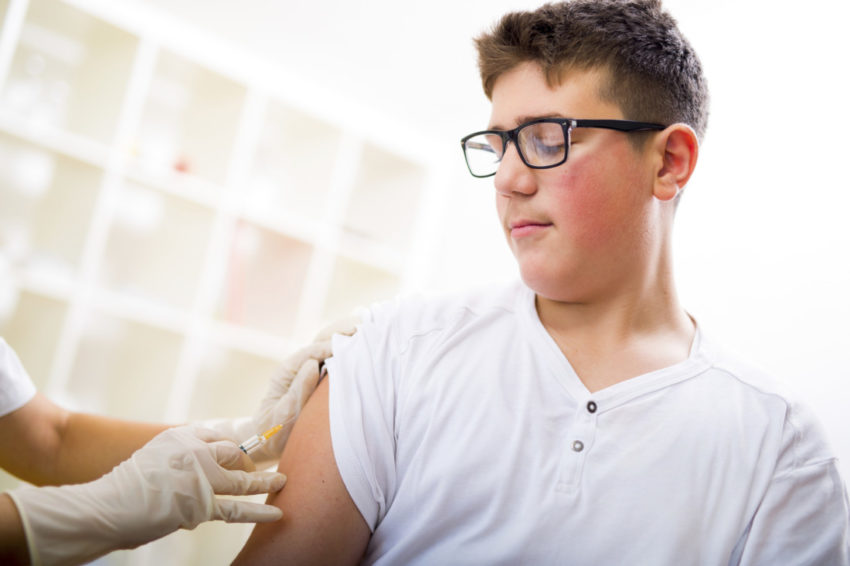
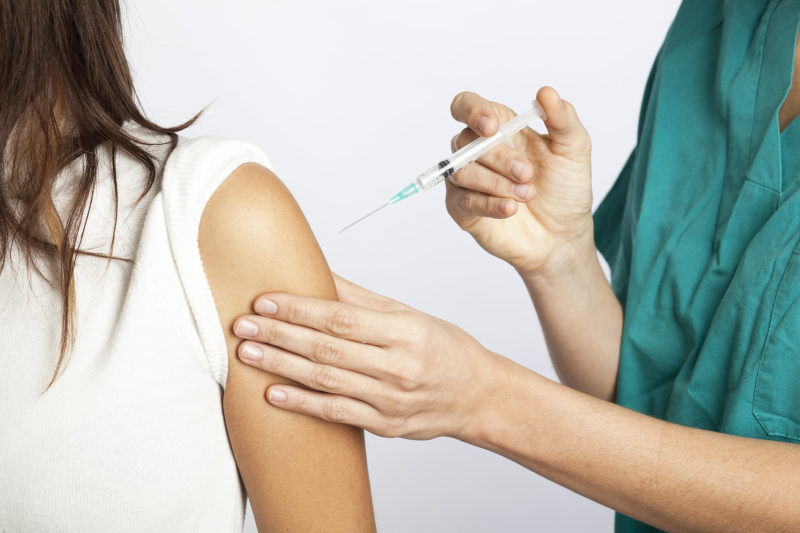
Many people know vaccines can help keep infants and children healthy during the early childhood years. But vaccines are just as important for when children grow into adolescence, according to the U.S. Department of Health and Human Services. As children grow, protection from some childhood vaccinations begins to wear off. Other vaccinations also work better when they’re given during adolescence. Latinos and other racial/ethnic minorities face barriers to immunizations that range from a lack of knowledge about their importance, to cultural and language differences to limited access to these preventative services, according to the National Foundation for Infectious Diseases (NFID), The Centers for Disease Control and Prevention (CDC) recommend four important vaccines that ...
Guillermina Rice se ha dedicado a velar por los niños en la escuela primaria de su hijo. Es allí donde ha promovido una iniciativa para el consumo de bebidas saludables. Para Rice, el interés en nutrición y hábitos para una vida saludable es un tema personal. La diabetes afecta a familiares de la representante de ventas de 47 años de edad. Cuando su hijo Aero, quien ahora tiene 13 años, asistía a Central Elementary School en San Diego, ella empezó a cuidar a los niños durante el recreo como voluntaria. “Es triste ver como todos nuestros niños que están en la escuela son como discriminados por los otros chiquitos porque están un poquito de sobrepeso”, dijo Rice, quien vive en City Heights, un vecindario de San Diego famoso por sus comunidades de inmigrantes que ...
In the rural Columbia Gorge region of Oregon and Washington, collaboration has truly been the key to elevating the culture of health of everyone in the area. This vast area is larger than the state of Connecticut, however only 75,000 people live in this extreme environment. While many high-tech companies have moved into new the riverfront properties in Washington (11.74% Latino population) and Oregon (12.15% Latino population), many in remote areas live in poverty and the nearest medical care is over an hour’s drive away. Orchards in the region produce bounties of pears, apples, and cherries and yet 1 in 5 people are food insecure on a regular basis. To bridge these disparities, the people of the Columbia Gorge region have turned an “ordinary requirement” into an extraordinary ...
Since 1969, the percentage of children walking and bicycling to school has plummeted from almost 50 percent to about 13 percent in 2013. In #4 of their StreetFacts video series, Streetfilms explores how children have lost the freedom to roam because many families drive their children to school, even when schools are close to home. Streetfilms produces short films showing how smart transportation design and policy can result in better places to live, work and play. For trips between 1/4- and 1/2- mile, children are strapped into a seat rather than allowed to walk or bike and explore their world. This reduction in incidental physical activity adds up and is linked with increased rates of childhood obesity and chronic disease. Learn more about the urgency in fighting childhood ...
Miami-Dade (66.8% Latino) has a culturally diverse population of over 2.7 million people, but nearly one in three children are living in poverty and in turn dealing with higher health disparities. In fact, various studies, including one from Havard T.H. Chan, has shown that income level and where you live can impact the health and diet of families. However, new initiatives are changing the future of health in Miami-Dade and the Robert Wood Johnson Foundation (RWJF) is taking notice, highlighting the county as a winner of the Culture of Health prize. Miami-Dade's Consortium for a Healthier Miami-Dade Country has been recognized by RWJF, in creating a culture of health with access to parks that have free fitness equipment, access to healthier foods, and other whole community ...
The U.S. Department of Health and Human Services (HHS), in collaboration with Walgreens, one of the nation's largest drugstore chains, will help provide more than $10 million worth of free flu shot vouchers this flu season to improve flu immunization rates among uninsured Americans. “Since 2010, this partnership has helped us make substantial strides in addressing disparities in flu vaccination coverage by providing free flu shots for more than 1.4 million people,” said Dr. J. Nadine Gracia, deputy assistant secretary for minority health and director of the HHS Office of Minority Health. “As the flu season approaches, our continued collaboration will help protect hundreds of thousands of people from influenza, which can make chronic health problems worse or lead to ...
A Spanish-only webinar will be held on Wednesday, Sept. 28 from 2:00-3:00pm ET that will discuss helping Latinos understand how to get the most from their healthcare coverage. Hosted by the Centers for Medicare & Medicaid Services Office of Minority Health, the webinar is entitled “From Coverage to Care (C2C)” this free webinar will be an opportunity to learn more about the C2C campaign. In order to reduce health disparities, it is critical to address inequities in programs, practices, and policies. Join our site, connect with others, and get involved. Latinos have made large gains in reducing their uninsured population thanks to the passing of the Affordable Care Act (ACA). Participants will be able to provide input and feedback, discuss how to help ...