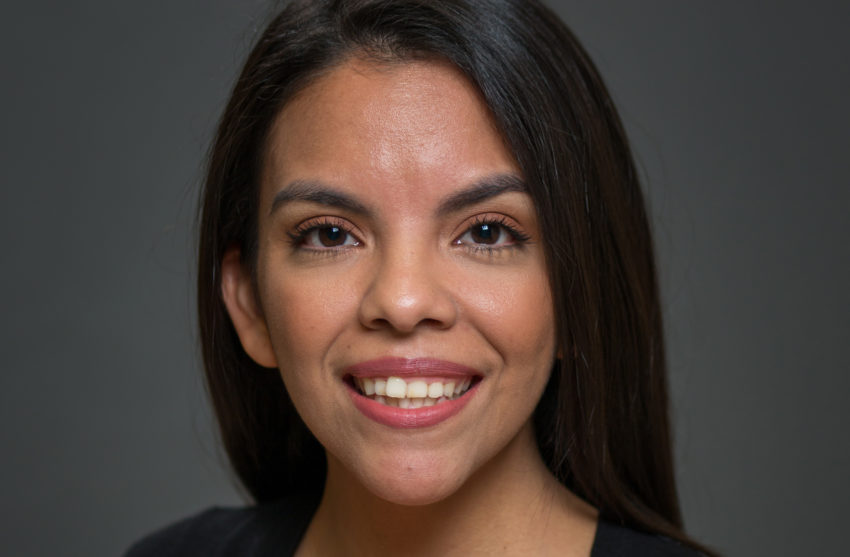
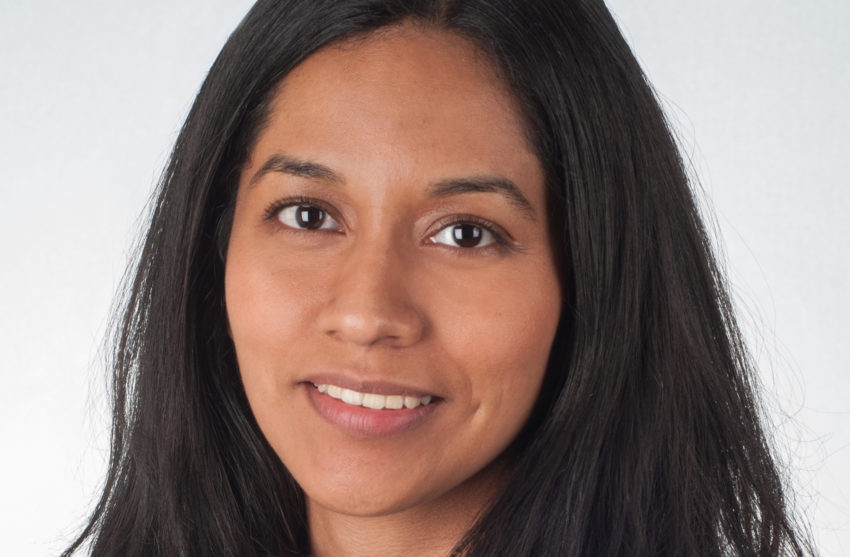
“You’re not gonna know until you try.” That’s the motto Ashton Balarin’s parents used to grow her confidence, to try and reduce health disparities in her native Fiesta city of San Antonio. Balarin is certainly putting that motto to work. She graduated from UT San Antonio with a bachelor’s degree in public health, and is in her second year of graduate school for a master’s degree in health and kinesiology. As a graduate research assistant, Balarin also works on several projects, including a pilot study to reduce older adult men’s risk of getting prostate cancer by lowering their folic acid intake. She also wants to try to improve maternal health and breastfeeding rates in San Antonio. To further her training and education, Balarin applied for the Éxito! ...
Did you know that someone in the United States develops Alzheimer's every 66 seconds? Multi-billionaire philanthropist Bill Gates knows. He has had family impacted by the disease. And that's why he's investing $50 million to fund research to find treatment for Alzheimer's disease, a type of dementia that destroys memory and mental processing. "It’s a terrible disease that devastates both those who have it and their loved ones," Gates wrote on his blog recently. "I know how awful it is to watch people you love struggle as the disease robs them of their mental capacity, and there is nothing you can do about it. It feels a lot like you’re experiencing a gradual death of the person that you knew." Alzheimer's is the No. 6 cause of death in the United States. It kills more ...
Growing up as “the minority kid” in school isn’t easy, but it helped Brenda Frutos develop a passion for fighting for health equity among Latinos. Frutos not only earned her master’s degree in public health from West Chester University of Pennsylvania, she also is working as a certified health education specialist. She provides research and technical support in the Department of Family Medicine at Lehigh Valley Health Network in Pennsylvania, and also has experience helping with interventions in breastfeeding among underserved women. Motivated by the hard work of her significant other who overcame challenges to reach medical school, Frutos wants to continue pursuing more education. Frutos applied for the Éxito! Latino Cancer Research Leadership Training program, which ...
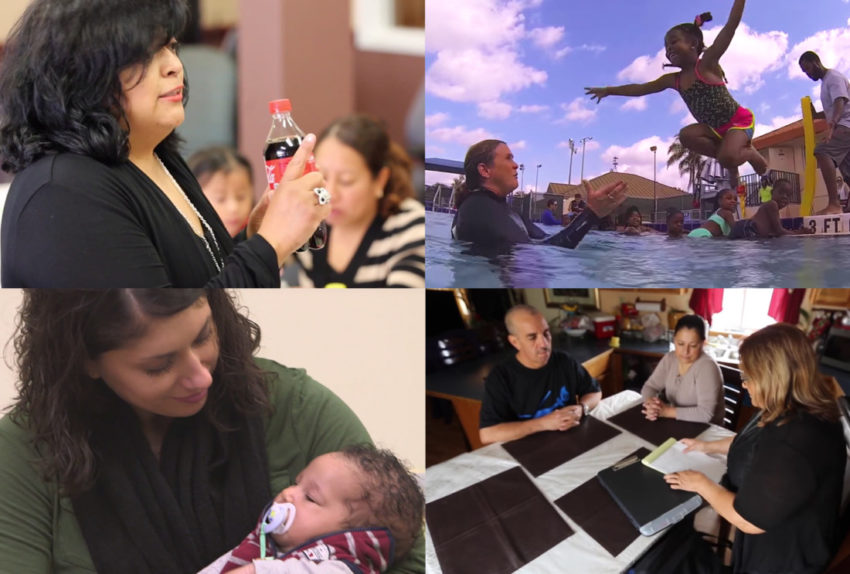
Latinos face cultural and other barriers to healthy lifestyles. That’s why they suffer high rates of diabetes, obesity, certain cancers, and mental health issues. Community advocates are here to help! WATCH and VOTE for six new Salud America! #SaludHeroes of Community Health who work with Latino families and kids to push healthcare, stress relief, physical activity, water, and more. For voting, we’ll enter you into a drawing for a FREE T-shirt and jump rope! Gaby Medina: Water Promotora. Gaby pushes water over sugary drinks to Spanish-speaking Latino families, as part of a Colorado campaign. Baby Café: Breastfeeding Help. Diana Montano and others started a Baby Café with peer counselors to support breastfeeding moms in San Antonio. Felipe Pinzon: Aid for ...
After Nikki Van Strien delivered her first son in Mesa, Ariz. (30.5% Latino), she realized the discharge package given to all new moms by the hospital could undermine a woman’s breastfeeding goals by pushing formula. She wanted to do something to support breastfeeding moms immediately after delivery. In 2011, Van Strien and some other moms developed the AZ Breastfeeding Bag Project to provide all new breastfeeding mothers with a bag filled with educational material and breastfeeding supply samples. They became a non-profit and recruited volunteers and donations to reach new mothers birthing in the hospital, birth center, or home.
Breastfeeding Rates Low in Arizona
Nikki Van Strien, a new mom in Mesa, Ariz., wanted to connect with other moms for support. She joined a local group she ...
The National Institute on Minority Health and Health Disparities (NIMHD) is launching the Transdisciplinary Collaborative Centers (TCC) for Health Disparities Research on Chronic Disease Prevention program. The goal of the programs are to address the health disparities in chronic diseases between racial and ethnic minorities, including Latinos. The new centers will focus their research efforts on “development, implementation, and dissemination” of community-based, multi-level interventions. These will be aimed at combating heart disease, cancer, and diabetes. The centers will share nearly $20 million in funding over five years. “Multilevel interventions that take into account complex interactions between individuals and their environments can better address determinants of ...
Most Americans are still not aware of the many serious health consequences associated with being obese. Additionally, misconceptions about what healthy weight and obesity look like further complicates adults' and parents' ability to correctly identify weight status, thus they are unable to correctly identify their and their children's risk for life-long health complications. According to the Nutrition and Physical Activity Initiative at the Bipartisan Policy Center (BPC) 2012 report, "obese people are far more likely to develop chronic diseases like diabetes, hypertension, asthma, heart disease and cancer. Obese children are more likely to have one or more risk factors for cardiovascular disease, to be prediabetic (i.e., at high risk for developing diabetes), and to suffer from bone ...
In nearly every community across the country, the Affordable Care Act (ACA) is working to increase access to affordable, quality health care. For Latinos, an estimated 8 in 10 who were previously uninsured qualified for Medicaid, the Children’s Health Insurance Plan (CHIP), or lower costs on monthly premiums through the Health Insurance Marketplace. To date, over 4 million Latinos (ages 18-64) have gained health coverage, lowering the overall uninsured rate among Latinos by nearly 8%. Also, over 913,000 Latino adults 19-26, who would have previously been uninsured, now have coverage under their parents’ plans. Getting health insurance is an important first step for overall better health. Once you have your coverage, how do you make it “work” for you? The U.S. Centers for ...
Find the latest advances in Latino health—like new studies to reduce obesity in Latino kids, develop cancer-fighting food plans, and navigate Latinos to better health—in the IHPR Noticias E-newsletter. IHPR Noticias has lots of info on the latest local and national health disparities-related news, resources and events: Story: Using Counseling, Texting to Help Latinos Fight Obesity (Pg 1)
Profile: Latina Steps Outside her Comfort Zone to Help Others...The Story of the IHPR's Arely Perez (Pg 2)
New Study: Rx for Better Breast Health (Pg 2)
New Study: Navegando Salud (Pg 3)
Story: The Power of Community Health Educators (Pg 4)
Story: Physical Activity is Essential, Not Optional (Pg 6)
Report: Bleak Picture for Latino, Other Minority Kids in Public Schools (Pg ...