When COVID-19 hit, it hurt many Latinos who worked in industries and jobs with few benefits and no flexibilities to respond to childcare disruptions. Unfortunately, after the pandemic, that situation remains. The industry and occupational distribution of Latino parents with low incomes remains largely unchanged from pre- to post-pandemic for mothers and fathers, according to a recent study from the National Research Center on Hispanic Children and Families. “We provide the first national portrait of the industries and occupations that employ Latino parents with low incomes in the aftermath of the pandemic, and highlight employment shifts that occurred during the pandemic,” according to the study. Let’s dive into the study finding and how it impacts Latino ...
This year, over 2 million American will get a cancer diagnosis, including many Latinos.
As one of the leading causes of death in Latinos in the U.S., one in five men and one in seven women who are Latino will die from the disease.
Cancer also takes a heavy financial toll on patients, whose survival is dependent upon a variety of factors, including access to quality, often costly, healthcare treatments.
Let’s explore the cost burden of cancer, and what to do about it. The Cost Burden of Cancer
In 2018, patients and their families paid $5.6 billion out of pocket for cancer treatments, such as surgery, radiation, and chemotherapy drugs, according to the American Cancer Society (ACS). Americans spent a total of $183 billion on cancer-related healthcare in 2015 - an amount ...
Latino children accounted for the highest increase in severe obesity among preschool-aged children from low-income households, a new CDC study found.
The study examined children aged 2 to 4 under the enrollment of the Women, Infants and Children (WIC) program, which is a federal nutrition assistance program aimed at providing healthy foods for low-income women who are pregnant, breastfeeding, or postpartum, and children up to 5 years old, from 2010 to 2020.
When the study began in 2010, 2.1% of children aged 2 to 4 in WIC were severely obese.
A downward trend in severe obesity occurred for the next several years, when rates in that age group went from 2.1% in 2010 to 1.8% in 2016, the CDC study found.
However, by the start of the COVID-19 pandemic, that number spiked back up to 2% in ...
Edgar Muñoz, a statistician at the Institute for Health Promotion Research (IHPR) at UT Health San Antonio, has won the Hackathon at VCU Massey Cancer Center's first-ever Catchment Area Data Conference on Dec. 7-9, 2023! The conference brought together data experts from U.S. cancer centers. Attendees shared best practices in data collection, handling, dissemination, and utilization, while exploring methodologies to advance cancer center catchment area analytics and community engagement. For the Hackathon, Muñoz showcased the CancerClarity app (try it here) with his teammates, Alex VanHelene of Rhode Island Hospital and Nuen Tsang Yang of UC Davis Comprehensive Cancer Center. The CancerClarity app offers users an interactive exploration of cancer incidence, mortality, and ...
Many know of the harms and health risks of smoking and secondhand smoke. However, you may not have heard of thirdhand smoke, which is the chemical pollutants that linger and settle indoors after tobacco is smoked. “The chemicals in thirdhand smoke include nicotine as well as cancer-causing substances such as formaldehyde, naphthalene and others,” according to the Mayo Clinic. Policy gaps are failing to protect the public from thirdhand smoke, according to a recent study. The study suggests that policies safeguard against thirdhand smoke even as they protect against secondhand smoke exposure by prohibiting indoor smoking in public places. “While these measures have been instrumental in protecting public health, saving lives, and reducing health care ...
Cancer screening can help catch cancer early when it is more treatable. But participation in screening is sporadic at best, especially among Latinos. What would happen if more people got screened for cancer? To find out, a team of U.S. and Canadian researchers used computer modeling to estimate the number of deaths that could be prevented, and the harms caused, if more people followed recommended cancer screening guidelines. Let’s explore what they found and what it means for Latino cancer.
The Impact of More Screening: Potential Lives Saved
Cancer screenings can catch early cases of lung, colorectal, cervical, and breast cancers. But only 13% of people eligible are up to date for lung cancer screening; 69% for colorectal cancer screening; 73% for cervical ...
The way into a person’s heart is through their mind — at least that’s the case in the “A Mindful Heart: Stress Management for Individuals with Hypertension” program.
Program leader Dr. Stacy Ogbeide of the Department of Family & Community Medicine at UT Health San Antonio is taking a psychological approach to address hypertension, which is a key risk factor for many heart diseases, including cardiovascular diseases.
Dr. Ogbeide is looking for adults with high blood pressure living in San Antonio to participate in a free program that focuses on stress management intervention in a group setting, which can include education, arousal reduction, such as relaxation training, and behavioral skills training, like coping strategies.
“The group format has been recommended when ...
Challenges in health insurance coverage and healthcare access worsened during the pandemic, according to a new study in the journal Geospatial Health. The study found Latinos and African Americans were the most affected populations. “Our results suggest that loss of insurance coverage and reduced access to health services deepened inequities in an already uneven healthcare landscape, particularly for African American and Hispanic/Latino populations,” according to the study researchers. Let’s dive into what the data found and what this means for Latinos.
How Did COVID-19 Impact Healthcare for Latinos?
Study researchers – from CDC, the U.S. Department of Health and Human Services, and Johns Hopkins University Bloomberg School of Public Health – ...
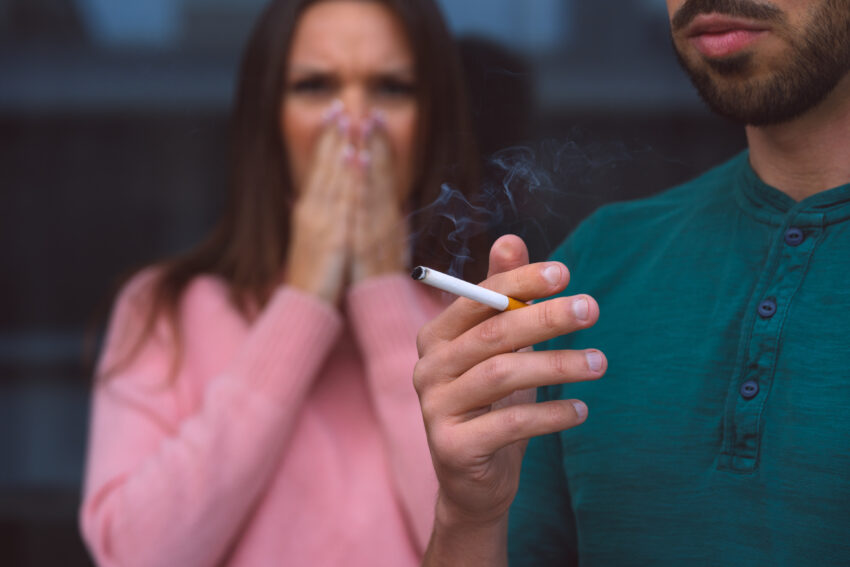
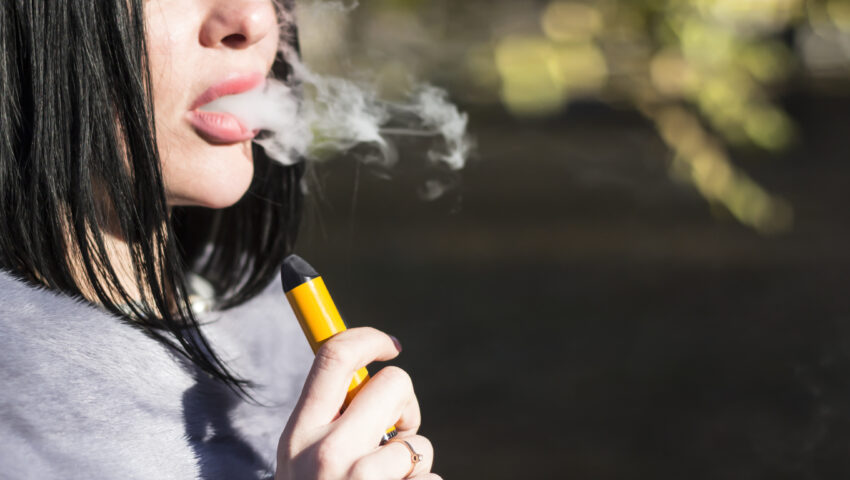
Only 7.7% of Latino adults in 2021 smoked cigarettes, which is lower than the national prevalence of 11.5%, the Truth Initiative reports. But the news isn’t all good. While Latino adults have a lower usage rate of all tobacco products than adults overall, smoking prevalence differs widely within Latino subgroups and by gender. Let’s explore Latino tobacco use and why it matters for health.
Cigarette Smoking Patterns in Latino Adults
Latinos in the U.S. that identify as Puerto Rican reported the highest current smoking prevalence at 17%. The lowest rates are among Latinos with Central or South American origin (6%), the Truth Initiative reports. Latina women have a lower smoking rates (6%) than Latino men (12%). In 2022, 7.8% of young Latino adults ...