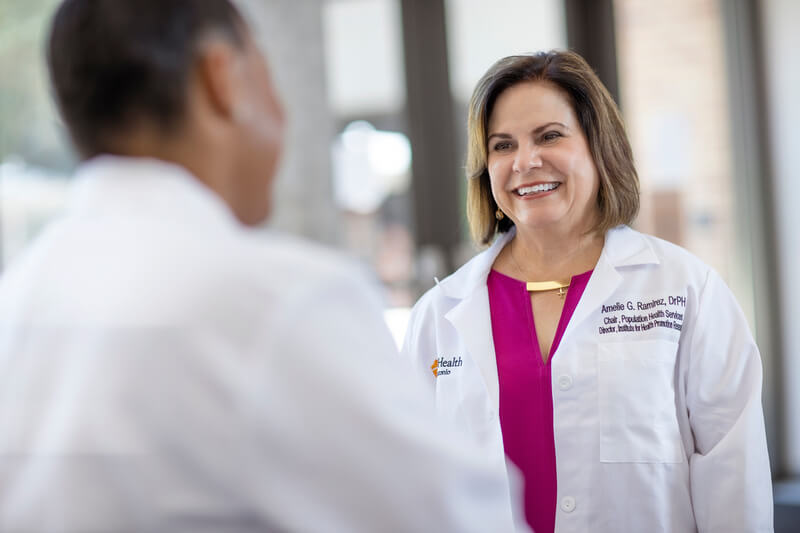
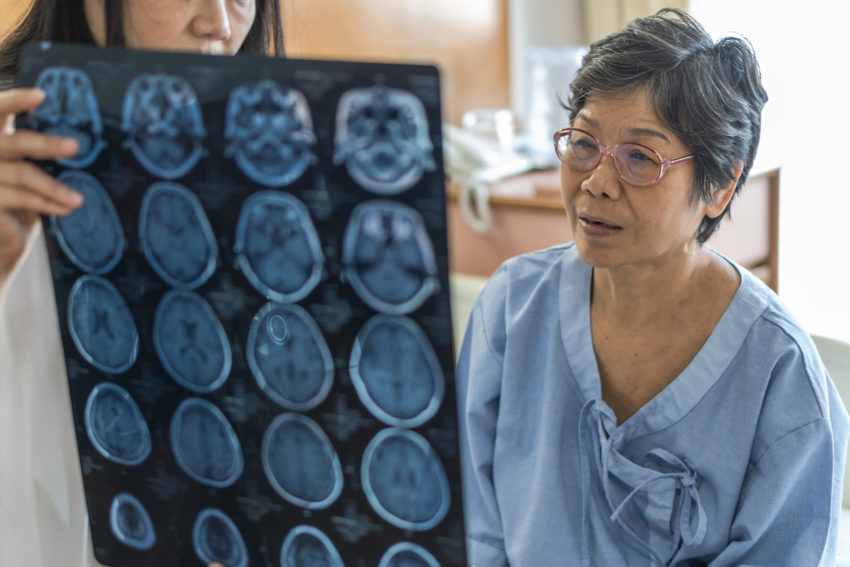
How can we help our abuelos and other loved ones who are dealing with Alzheimer's disease? Clinical trials! These are studies with volunteers that help researchers learn more to help slow, manage, and treat Alzheimer’s for current and future family members. But without volunteers for clinical trials, the benefits may miss certain groups. That's why Salud America! is joining the San Antonio Center for Alzheimer’s Disease and Related Dementias (AD/ADRD) Population Aging and Social Studies (CAPAS). CAPAS will unite researchers from UT San Antonio, the Center for Brain Health, the Biggs Institute for Alzheimer’s and Neurodegenerative Diseases, and others. Community Impact, a local news agency across Texas, featured the effort in an article and interviewed Dr. Amelie G. ...
Navigating a family member’s Alzheimer’s diagnosis is difficult. But what about some of our younger and more vulnerable family members who may lack the resources needed to open up and talk about the disease? Otskuka, a pharmaceutical company focused on advancing patient care, is following up ion the narrative of its original video with an interactive video series geared toward helping children adjust and recognize the changes in their loved ones. Let’s dig into the interactive video and how families can use it to engage their youngest family members.
Interactive Alzheimer’s Video
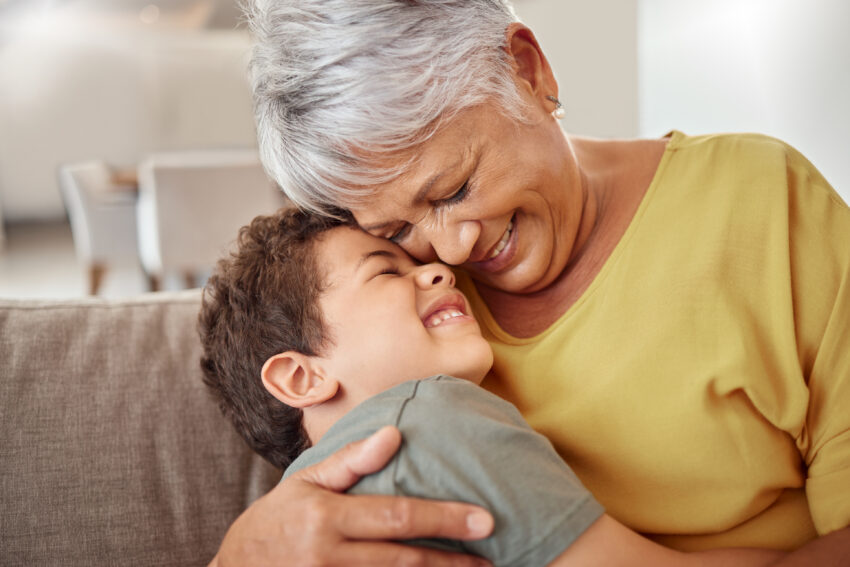
The interactive video experience Time With Josh introduces viewers to Josh, a boy who has a special relationship with his grandma, who is showing signs of memory loss. The ...
Ever heard of donating biospecimens for research? When a person donates biospecimens—blood, fluid, or tissue samples—it gives researchers the opportunity to better understand, treat, and prevent medical conditions from cancer to Alzheimer's. Biospecimens are especially needed from Latinos, who suffer health disparities. "Latinos who donate biospecimens are heroes. Their contributions enable researchers to make medical discoveries and build new therapies to help millions of Latinos across the nation," said Dr. Amelie G. Ramirez, leader of the Salud America! Latino health equity program at the Institute for Health Promotion Research in the Department of Population Health Sciences at UT Health San Antonio.
What are Biospecimens?
Biospecimens are materials from the human ...
June is Alzheimer’s & Brain Awareness Month! This is a good time to reflect on the many challenges and inequities facing people of color in the United States when it comes to Alzheimer’s Disease, dementia, and brain health. Sadly, U.S. Latinos are 1.5 times more likely to develop Alzheimer’s disease than whites. Latino caregivers experience high levels of stress when supporting their family members with the disease. Let’s use #SaludTues on Tuesday, June 7, 2022, to tweet about the latest data, strategies, and programs to prevent and reduce Alzheimer’s disease and promote better brain health among Latinos and all people! WHAT: #SaludTues: How to Address Alzheimer’s in the Latino Community
TIME/DATE: 1-2 p.m. EST (Noon-1 p.m. CST), Tuesday, June 7, 2022
...
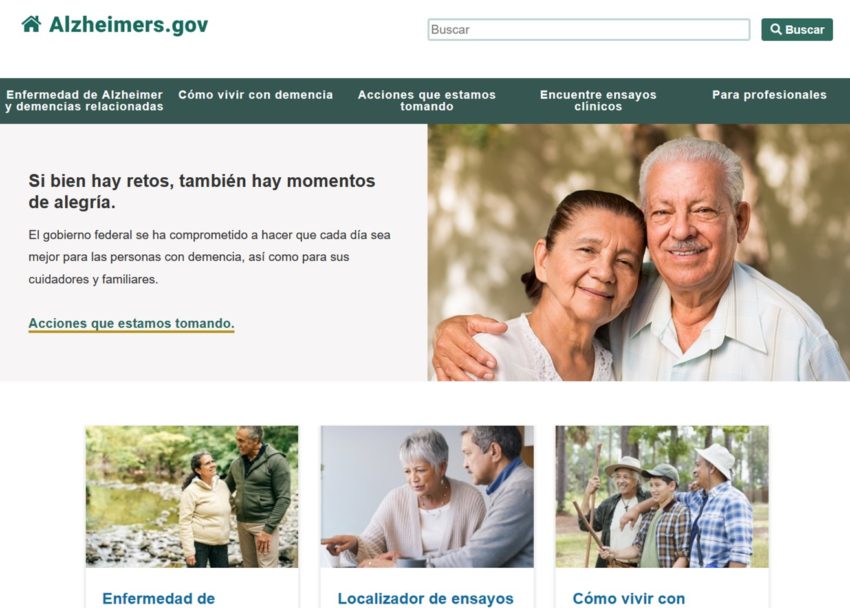
Did you know that every 65 seconds, someone develops Alzheimer’s disease? This number is most troubling for Latinos and women. Latinos overall are 1.5 times more likely to develop Alzheimer’s than their White peers. Two-thirds of Alzheimer’s patients are women. Latinas are at higher risk than non-Latinas. In response, the federal government created a website, Alzheimers.gov, for dementia information, resources, and clinical trials. Now that website is also in Spanish at Alzheimers.gov/es! Each website has: Information about Alzheimer’s disease and related dementias, including causes, symptoms, diagnosis, and treatment.
Knowledge and resources for caregivers and people living with dementia.
Clinical trials and studies that people can join to help advance ...
We know Latinos are 1.5 times more likely to develop Alzheimer’s disease and dementia than whites. Now a new study shows that Latinos experience slightly different signs and symptoms of dementia, with more depression and anxiety and a faster rate of functional decline than Blacks or non-Hispanic Whites, AARP reports. Anxiety and depression are risk factors for dementia. Studies have suggested anxiety and depression can cause early manifestations of abnormal protein accumulations in the brain — amyloid and tau — which lead to dementia. In the new study of 5,000 people, researchers found more anxiety among Latinos (25.6 %) than Blacks (16.3 %) or Whites (11.3 %). "We need to do a better job of making mental health services accessible for these groups, with culturally ...
Across the board, Latinos are underrepresented in clinical research. Without adequate Latino and minority representation in clinical trials, researchers cannot find differential effects among groups nor advance public health and medicine. To address this, researchers across the country, like those at the Glenn Biggs Institute for Alzheimer’s and Neurodegenerative Diseases at UT Health San Antonio, are creating educational interventions to recruit certain racial/ethnic groups in diseases like Alzheimer's that are on the rise among minorities. "Studies should represent the demographics of the country," Dr. Jonca Bull, an assistant commissioner on minority health at the Food and Drug Administration, said in a recent statement. "We need to close that gap so we can better ...
Recent data suggests that older adults are the most vulnerable to the worst effects of the coronavirus outbreak. Older people and people with severe chronic conditions—such as dementia—should take special precautions because they are at higher risk of developing severe COVID-19 illness, according to the CDC. Worse, it is not just how many years one has lived that determines risk. "It is not chronological age alone that determines how one does in the face of a life-threatening infection such as COVID-19," George Kuchel, a geriatrician and gerontologist at the University of Connecticut, told STAT. "Having multiple chronic diseases and frailty is in many ways as or more important than chronological age. An 80-year-old who is otherwise healthy and not frail might be more ...
June marks Alzheimer's & Brain Awareness Month. This is a time to reflect on the many challenges and inequities facing people of color in the United States when it comes to Alzheimer's Disease and overall brain health. Sadly, U.S. Latinos are 1.5 times more likely to develop Alzheimer’s disease than whites, studies show. Alcohol, sleep deprivation, and diabetes play a role in this gap. Worse, Latino caregivers can experience high levels of stress when supporting their family members with the disease. To understand and address these disparities, people must pay more attention to the role of the social determinants of health. Let’s use #SaludTues on Tuesday, June 25, 2019, to tweet about the latest research and beneficial strategies and programs to prevent and reduce ...