Maternity care deserts make up 36% of all US counties, according a 2022 March of Dimes report. These maternity care deserts contribute to the US having the highest maternal mortality rate among developed countries, as they make it significantly harder for women to get the care they need. Let’s explore how maternity care deserts affect women’s health, especially for Latinas, who already face inequities that limit healthcare access.
Defining Access to Maternity Care
The March of Dimes report defines a maternity care desert as any county without a hospital or birth center offering obstetric (OB) care and without any OB providers, such as obstetrician/gynecologists and certified nurse midwives/certified midwives.
Report’s Key Findings on Maternity Care Deserts
As mentioned ...
Everything is bigger in Texas – except wages, worker protections, and the right to organize, according to a recent study by Oxfam, an organization dedicated to fighting poverty and injustices. After analyzing each state’s wage policies, worker protections, and the right to organize, Texas ranked 48th out of 52 (including Washington D.C. and Puerto Rico) in Oxfam’s “Best States to Work Index.” In comparison, Oregon, California, and Washington placed first, second, and third, respectively. What does this mean for Latinos, who make up 40.2% of Texas’ population? First, let’s take a closer look at Oxfam’s study.
Wage Policies
Oxfam’s evaluation criteria for this category included the ratio of the state minimum wage to the cost of living for a family of four, ...
Parents of babies across the US are struggling to feed their children due to a baby-formula shortage. The pain of the shortage is particularly felt among low-income families, such as Blacks and Latinos, who already suffer inequities in maternal and child health. The shortage began during the COVID-19 pandemic in 2020, when America seemingly ran out of everything – from toilet paper to fresh produce. In late February 2022, a baby formula recall, which caused two infant deaths, worsened the shortage. In many states, including Texas and Tennessee, where infants depend on formula for more than half of their diet, formula is sold out in stores. For parents such as Yury Navas, an immigrant Latina mother in Maryland, providing formula for her child is especially ...
In the last 30 years, maternal health disparities have increased for women of color, according to a new report by the US Commission on Civil Rights. For example, There are 10.3 deaths per 100,000 for Latina women. For white women there are only 6 deaths per 100,000. Moreover, Black women are 3 to 4 times more likely to die than their white peers from pregnancy-related complications. The report also illustrates how government, especially federal government, can play a critical role in changing this fact, according to Norma V. Cantú, chair of the U.S. Commission on Civil Rights. “[At the federal level] efforts can be made to improve hospital quality, particularly for women of color if maternal health disparities are to be eliminated,” Cantú said. “Improvements in safety ...
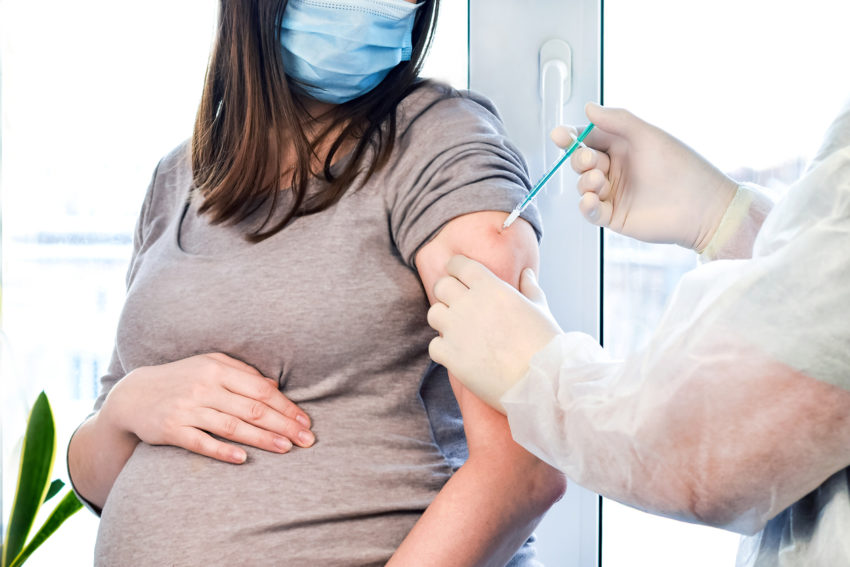
Pregnant Latinas have some of the lowest vaccination rates against COVID-19 compared to other ethnic/racial groups, according to a report from the CDC. The disparity is likely due to less culturally competent and accessible healthcare in communities of color, as well as vaccine misinformation about fertility and pregnancy. The CDC encourages all people who are eligible to get vaccinated against COVID-19 and that pregnancy should not be a barrier. “COVID-19 vaccination is recommended for all people 12 years and older, including people who are pregnant, breastfeeding, trying to get pregnant now, or might become pregnant in the future,” according to the CDC’s website. With more culturally relevant resources regarding vaccine safety for fertility and pregnancy, vaccine ...
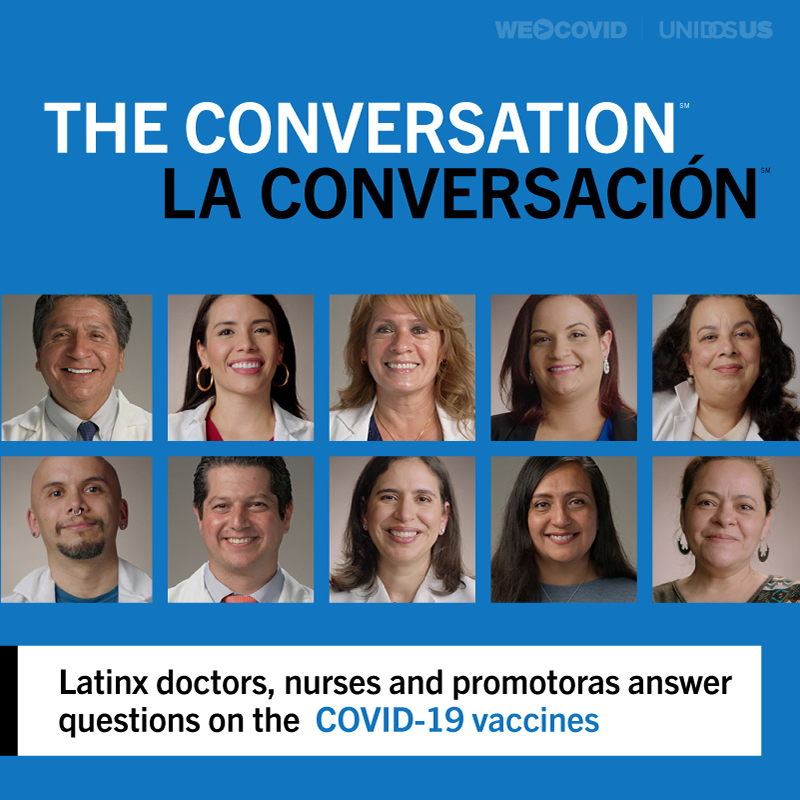
Latinos are getting vaccinated for the COVID-19 vaccine at much lower rates than other groups. This mainly due to a lack of vaccine confidence and abundance of misinformation that is targeting Latinos, who have been disproportionately affected by COVID-19. That’s why Greater than COVID partnered with UnidosUS to launch a new bilingual video series, THE CONVERSATION / LA CONVERSACIÓN, to combat vaccine misinformation. By interviewing Latino healthcare workers who answer big questions, the series aims to promote vaccine confidence and urge Latinos to get vaccinated. “This is our chance to protect ourselves, those we love and our communities so we can start to heal,” said Dr. Ana G. Cepin, a doctor in the video series.
About the Video Series
THE CONVERSATION / LA ...
Sugary drinks can contribute to obesity and disease, especially for children of color. A rising number of U.S. states and cities are hoping to curb consumption of soda, juice, and other beverages through a number of regulations, including implementing a sugary drink tax. Sugary drink taxes are shown to reduce the number of sugary drink purchases. They also raise money for local health programs. In Rhode Island, legislators hope to pass a sugary drink tax to help provide food to the hungry amid the COVID-19 pandemic, according to State Sen. Valerie Lawson. “The pandemic has shined a glaring light on food insecurity in our state,” Lawson said, according to UPRISE RI. “Recently, Rhode Island Kids Count released their annual Fact Book showing that the pandemic had a ...
Children of color continue to struggle with obesity. Obesity rate continues to be significantly higher for Latino (20.7%) and black children (22.9%) than for white children (11.7%) ages 10-17, according to the new State of Childhood Obesity report from the Robert Wood Johnson Foundation (RWJF). Obesity—and other chronic diseases—are more prevalent among those of color and those in poverty because discriminatory systems have disinvested in healthy policies and basic resources for them. In the midst of the current COVID-19 pandemic, which is worsened by obesity, it is more critical than ever to prioritize children’s health. Latino children and young adults account for over 40% of the COVID-19 deaths among people ages 0-24, according to the CDC. To prioritize children’s ...
Without paid sick leave, too many Latinos are forced to choose between financial security and health. After all, just a few days of lost pay due to illness is the same as losing an entire month’s worth of groceries for some families, which fare worse during a pandemic like COVID-19. “For a typical Latino family without paid sick days, losing an average of 3.3 days due to sickness is equivalent to a family’s entire monthly health care budget or its monthly grocery budget,” according to a joint fact sheet from UnidosUS and National Partnership for Women & Families. This situation won’t just fix itself after the pandemic, either. “Lives are at stake when policies are not put in place from the top down to prevent the spread of disease or create healthy living ...