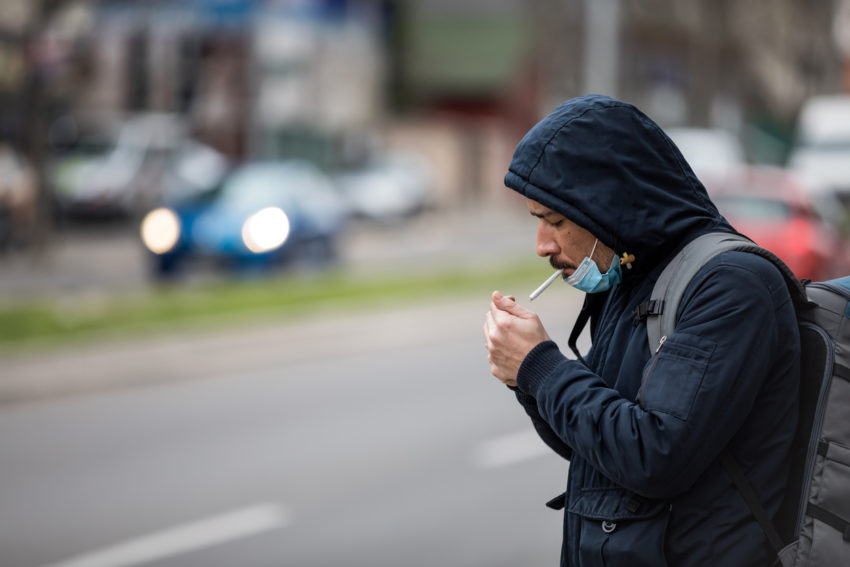
In the fight to end smoking, mass media efforts to change social norms have led to historic declines in smoking. But the tobacco industry isn't giving up. These companies aggressively market flashy, new electronic and flavored products in hopes of growing the market among youth and young adults. Still, these individuals are not so easily swayed. Young people overwhelmingly distrust the tobacco industry, especially Latinos and other youth of color, according to a recent report from The Truth Initiative. "The good news is that the public is as distrustful as ever of the tobacco and vaping industry, despite their extensive public relations and marketing strategies. For now," according to the Truth Initiative website.
Wins and Losses in Public Health Leaders' Efforts to Curb ...
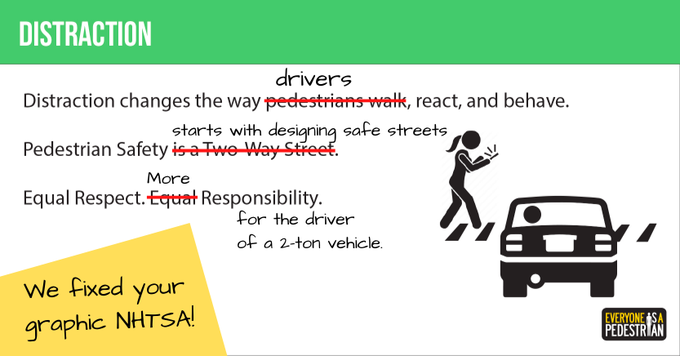
The National Highway Traffic Safety Administration (NHTSA) is celebrating pedestrians by designating October as the first-ever Pedestrian Safety Month and creating a playbook with social media materials to raise awareness. This is good, because pedestrians deserve safety on a road, parking lot, or crosswalk. But it’s not all good. NHTSA is mostly focused on individual pedestrian safety, as opposed to systemic policy changes. This is a form of pedestrian-blaming. By blaming the pedestrian, like in victim-blaming or justifying inequities, Pedestrian Safety Month actually distracts from efforts to address the very transportation systems that endanger pedestrians in the first place. We are excited to see that Transportation for America’s Twitter thread that modified NHTSA ...
The United States has one of the highest childhood obesity rates in the world. That statistic sounds worse when considering the ways companies target unhealthy foods and drinks to Latino and other children of color — all contributing to health inequities and a higher obesity. This is why civic leaders in Berkeley, Calif., passed legislation to make it the the first U.S. city to ban junk food and candy in grocery checkout aisles. The will will go into effect early next year. "Placement of unhealthy snacks near a register increases the likelihood that customers will purchase these foods and drinks when willpower is weak at the end of a long shopping trip," City Council member Kate Harrison said in a press release.
The Ban of Junk Food in Store Checkout Aisles
Although a ...
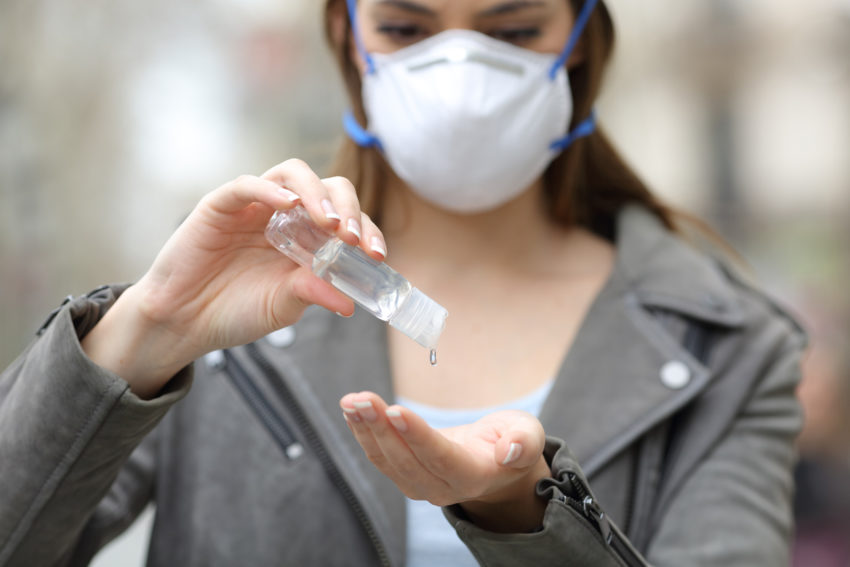
As everyone adapts to a quickly spreading coronavirus, many are taking every precaution necessary to avoid infection and spread — including practicing good hygiene. Using hand sanitizer is a popular way to keep your hands clean and avoid coronavirus. Companies throughout the world have ramped up production of these kinds of items to meet the demands of consumers reacting to the wide sweeping nature of this pandemic. Still, not every company has the best intentions, according to New Jersey physician anesthesiologist Dr. Nina Radcliff. “Hand sanitizers that are deemed safe and used effectively can serve as a secondary method of hand washing,” Radcliff writes in a recent The Press of Atlantic City health column. “But not all hand sanitizers are created equal and it’s ...
We already know that smoking cigarettes, cigars, and other tobacco products result in worse coronavirus outcomes. What could be worse? Teenagers and young adults who vape face a much higher risk of COVID-19 than their peers who do not, according to new research from Stanford University. In fact, that data—collected from a May 2020 national survey of 13 to 24-year-olds—showed that vapers are five times more likely to get COVID-19. The risk is seven times higher for dual—smoking and vaping—users. "Young people may believe their age protects them from contracting the virus or that they will not experience symptoms of COVID-19, but the data show this isn't true among those who vape," Dr. Shivani Mathur Gaiha, the study's lead author and a postdoctoral scholar, said in a ...
U.S. Latinos are bearing an extraordinary burden of COVID-19 cases and deaths. Why is this? Health experts are trying to find an answer. They say the pandemic is worsening historical health and social inequities among Latinos and other people of color, affecting people of a certain age, and those who have diabetes, obesity, and cancer, as well as those who smoke. Now a study points to a new, but common, culprit: language barriers (and the healthcare system's failure to accommodate people who don't speak English).
Latinos Face Language Barriers During COVID-19 Pandemic
Language is a common barrier to health care. That's why Spanish translation is important in education, providing medical care, bullying prevention, healthcare access, and even podcasting. When it comes to ...
The coronavirus pandemic has had a devastating impact on people of color. Since the early days of the COVID-19 pandemic outbreak, one fact has been proven correct time and again: Minority groups face a higher risk of infection and the many burdens associated. This fact has been proven in a recent study from Massachusetts General Hospital. "Radiologists from saw these disparities firsthand in April among patients admitted to the hospital with confirmed COVID-19 infection, and at one of the hospital's respiratory infection clinics in Chelsea, a city just north of Boston that is home to a predominantly Spanish-speaking Hispanic community," the researchers write. "A significant proportion of the patients who visited the Chelsea clinic had COVID-19, and the level of disease the ...
Before COVID-19, families with SNAP federal food aid could not use their electronic benefits transfer (EBT) cards to buy groceries online. They had to go to into stores and risk infection. The good news is 37 states now have a SNAP online food purchasing programs. The bad news is that those online purchasing programs could “expose [SNAP] participants to increased data collection and surveillance, a flood of intrusive and manipulative online marketing techniques, and pervasive promotion of unhealthy foods,” according to the Center for Digital Democracy. The Center’s new report explains how federal and state policies fail to protect consumers against unhealthy food marketing, threatening the health of SNAP families. The report also recommends regulatory safeguards, industry ...
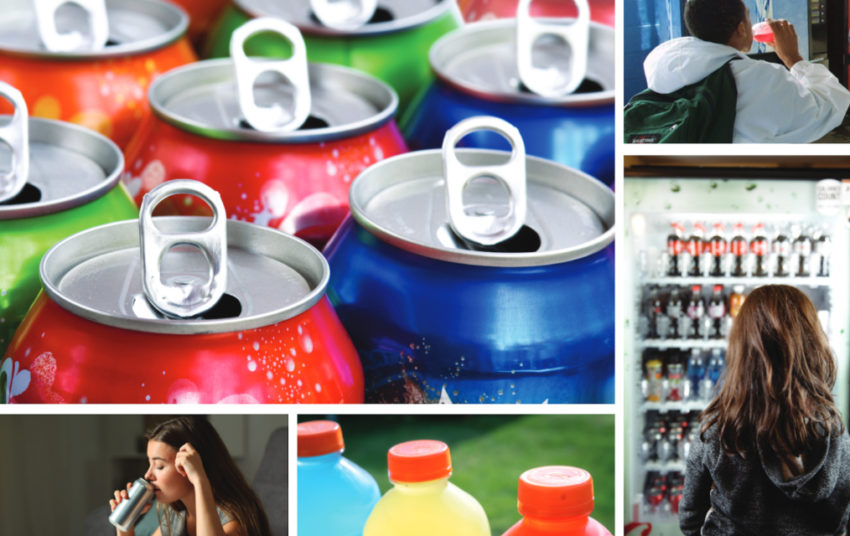
Spending on sugary drink TV advertising aimed at black and Latino youth is up, according to Sugary Drink FACTS 2020, a new report from the Rudd Center for Food Policy & Obesity. Overall, the report found that in 2018 companies spent a whopping $1 billion (26% increase since 2013) in sugary drink advertising. These drinks include regular soda, sports drinks, iced tea, fruit drinks, flavored water, and energy drinks. Pepsi and Coca-Cola accounted for the largest share of sugary drink advertising in 2018. In the report researchers also explored the nutritional value of sugary drinks advertised by large companies. "These analyses of the nutrition content and advertising of sugary drinks and energy drinks demonstrate that beverage company advertising of sugary drinks to young ...