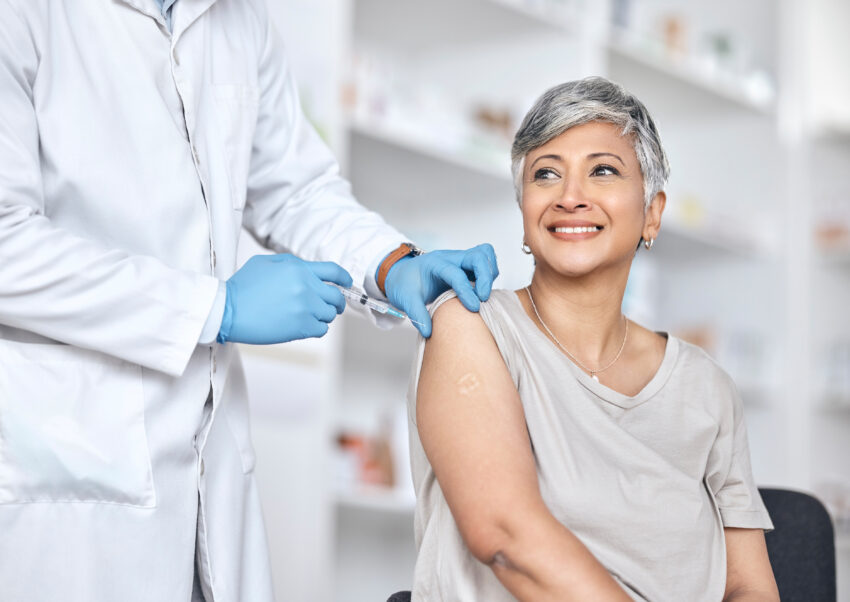
As we continue to deal with COVID-19, the seniors in many of our familias are still at high risk for the virus’ serious health impacts. Between 2020 and 2025, seniors ages 65 and older were among those with the highest rates of death due to COVID-19, accounting for 936,523, or 76%, of all COVID-19 deaths in the US, according to data from the Centers for Disease Control and Prevention (CDC). While the introduction of the COVID-19 vaccine has significantly slowed and reduced cases, many seniors remain burdened by complications from the virus for several reasons. These include vaccine hesitancy, challenges to vaccine access, and the spread of incorrect information about the vaccine. That’s why our friends at CVEEP are reminding seniors and other immunocompromised individuals ...
Primary care practices that employ nurse practitioners (NPs) are more likely to serve low-income communities than practices with no NPs on staff, according to researchers from the Columbia University School of Nursing. Dr. Monica O’Reilly-Jacob, assistant professor and study leader, along with her colleagues looked at 79,743 primary care practices across the United States. Of these practices, 53.4% employed NPs in 2023, a large jump from 21% in 2012. Let’s go beyond the surface of these results and explore how it impacts others.
The Importance of Nurse Practitioners (NPs)
The U.S. Bureau of Labor Statistics estimates that as of May 2023, 280,140 organizations employed nurse practitioners (NPs) nationally. According to the researchers, practices with NPs were more likely ...
Despite advances in modern medicine, the US continues to have one of the worst infant and maternal mortality rates in the developed world. In 2021, there were 32.9 maternal deaths for every 100,000 live births in the US, according to the Centers for Disease Control and Prevention (CDC). Fast forward to 2022 and the maternal mortality rate is down to 22.3 deaths for every 100,000 live births, according to a new March of Dimes report. The new rate marks a significant departure from the time of the pandemic when maternal mortality rates were at an all-time high. However, not everything is back to pre-pandemic levels. Here are the five key takeaways from the 2024 March of Dimes Report Card and what they mean for the health of mothers across the country.
1. ...
This content is from the "Advancing the Science of Cancer in Latinos: 2024 Conference Proceedings."
Cancer Center Priorities for Addressing Latino Cancer Health Gaps: A Fire-side Chat with Cancer Center Directors
This special session occurred at 9:00 a.m., Friday, Feb. 23, 2024, at the 4th biennial Advancing the Science of Cancer in Latinos conference. Dr. Yolanda Sanchez is the Maurice and Marguerite Liberman Distinguished Chair in Cancer Research, Professor in the University of New Mexico (UNM) Department of Internal Medicine Division of Molecular Medicine, and UNM Cancer Center Director and Chief Executive Officer. Dr. Sanchez discussed the University of New Mexico Comprehensive Cancer Center (UNMCCC) and its mission to reduce the cancer burden and overcome the tremendous ...
This content is from the "Advancing the Science of Cancer in Latinos: 2024 Conference Proceedings."
Obesity and Cancer: What We Know Now About Individual and Other Factors
Dr. Monica C. Serra is Associate Professor and Research Health Scientist in the Department of Medicine, Division of Geriatrics, Gerontology & Palliative Medicine and the Sam and Ann Barshop Institute for Longevity and Aging Studies at University of Texas Health Science Center San Antonio (UTHSCSA). Obesity and cancer Dr. Serra began by discussing obesity and severe obesity, which have become more common in the US in recent years. In 2011, 27% of adults 18 years of age or older had obesity or severe obesity, and by 2020, 32% of adults 18 years of age or older had obesity or severe obesity. Furthermore, in ...
This content is from the "Advancing the Science of Cancer in Latinos: 2024 Conference Proceedings."
Using Science to Address Latino Health Disparities Research
Eliseo J. Pérez-Stable, M.D., is Director of NIMHD at the National Institutes of Health (NIH). This plenary session occurred at 8:30 am., Wednesday, Feb. 21, 2024, at the 4th biennial Advancing the Science of Cancer in Latinos conference. Health differences Dr. Pérez-Stable began his presentation by discussing populations with health differences. While background along with social and economic factors are the fundamental pillars of health differences science, the intersection of these factors with rural populations, other overlooked groups, and people with physical or mental challenges are also important to ...
This content is from the "Advancing the Science of Cancer in Latinos: 2024 Conference Proceedings."
Adapting NCI’s Clinical Trials System to a Changed Clinical Research Environment
Dr. James H. Doroshow is Deputy Director for Clinical and Translational Research at the National Cancer Institute (NCI). This plenary session occurred at 8:30 am., Thursday, Feb. 22, 2024, at the 4th biennial Advancing the Science of Cancer in Latinos conference. COVID’s impact on cancer clinical trials Dr. Doroshow’s presentation began by discussing the initial and continuing effects of the pandemic environment on cancer clinical trials. From the start of the pandemic, several aspects of clinical trials were altered, including informed consent and in-person study activities. One major ...
This content is from the "Advancing the Science of Cancer in Latinos: 2024 Conference Proceedings."
The NCI Community Oncology Research Program: Opportunities to Increase Latino Participation in Clinical Trials
Dr. Brenda Adjei is Associate Director of the HDRP at the National Cancer Institute (NCI) Center for Cancer Research. The NCI Community Oncology Research Program Dr. Adjei’s presentation began with a discussion of Latino participation in cancer clinical trials. Variety in clinical trials is critically important because it generates biomedical knowledge relevant to all, builds trust and trustworthiness, and contributes to reductions in health gaps and fair research participation. Current limits in clinical research is due to multilevel hurdles and requires tailored, ...
More than 2 million people in the United States are expected to be diagnosed with cancer this year. No two among them will experience cancer exactly the same way. Even so, certain groups of people will share similar cancer experiences. Latinos face higher rates of cervical, liver, and stomach cancers. Black women with ovarian cancer don’t live as long as White women with the disease. People living in rural areas are less likely to get regular cancer screenings than those who live in cities. And people who live in areas where poverty has been the norm for decades are more likely to die of cancer than those living in more affluent areas. These patterns of worse outcomes among specific groups of people are called cancer differences. Although biological differences can contribute to ...