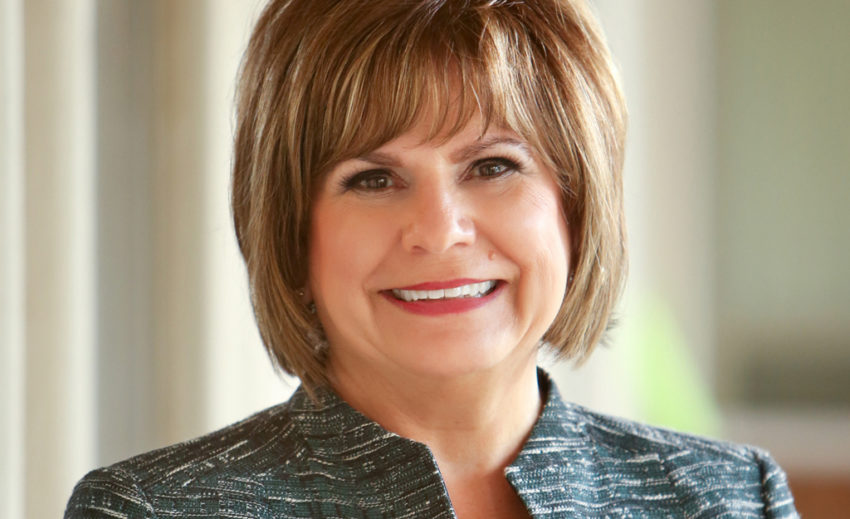
San Antonio Mayor Ron Nirenberg and Bexar County Judge Nelson Wolff announced the addition of Dr. Amelie G. Ramirez, director of Salud America! and the Institute for Health Promotion Research at UT Health San Antonio, to the COVID-19 Health Transition Team, which is working on a plan to slowly reopen the city economy after physical distancing. Nirenberg and Wolff wrote a joint memo that stay-at-home rules have saved lives. Yet they acknowledge physical distancing isn't permanent. "Our community needs a local strategy to reenter into everyday life," Nirenberg and Wolff wrote. "These decisions have critical implications on our community – including our ability to avoid subsequent outbreaks, ensure we protect our ... populations ... and to identify parameters for transitioning ...
The current novel coronavirus, COVID-19, is a respiratory illness — that means it harms the lungs more than other parts of the body. Many scientists say that COVID-19 feature pneumonia and affects the lung function, and is especially worrisome for those with weak lung or immune systems. Worse, many experts believe that if you smoke, or you're regularly around secondhand smoke, you may have a better chance of getting coronavirus. Smoking may also increase your risk of developing severe complications from the virus. "The lining of the respiratory tree becomes injured, causing inflammation," Dr. John Wilson, president-elect of the Royal Australasian College of Physicians and a respiratory physician, told The Guardian. "This, in turn, irritates the nerves in the lining of the ...
As the current novel coronavirus continues to spread, one fact has become clear: Governments around the globe were not prepared — especially concerning environmental impacts. While there is no direct link between pollution and the risk of developing COVID-19, yet, studies have shown that poor air quality can raise one's susceptibility to disease. Worse, high rates of toxic exposure can lead to poorer outcomes of those illnesses. Disadvantaged groups, including Latinos, are in greater jeopardy as they are the ones who live in the areas with more significant amounts of air pollution. "There's lots of evidence that air pollution increases the chances that someone will get pneumonia, and if they get pneumonia, will be sicker with it," Aaron Bernstein, interim director of the ...
Cancer patients are at higher risk for the new coronavirus COVID-19, as well as more severe outcomes of the diseases, than those without cancer, health experts say. What does this mean for your cancer journey? For treatment? Screening? Clinical trials? Latinos and vulnerable populations? "We don't want to be overly alarming, but the truth is that Latino and all cancer patients should be concerned about COVID-19 because they are at higher risk," said Dr. Amelie G. Ramirez, leader of Salud America! and associate director of community outreach and education at the Mays Cancer Center at UT Health San Antonio. "So we want to help spread truthful, equitable information that will help all cancer patients in their journeys." Here are some important issues for cancer patients and ...
The spread of coronavirus, COVID-19, is now a global pandemic. Health officials are working tirelessly to inform the public. They are working on a fast-paced method for widespread testing, and doing everything possible to slow the spread of the coronavirus. What is still scary? This disease impacts those with underlying conditions more significantly, especially Latinos who suffer vast health disparities. "People with diabetes, heart disease, lung disease and other serious underlying conditions are more likely to develop serious outcomes, including death [due to coronavirus]," said Dr. Nancy Messonnier, director of the CDC’s National Center for Immunization and Respiratory Diseases, CNBC reports.
Coronavirus COVID-19's Impact on People With Underlying Illnesses
Reported ...
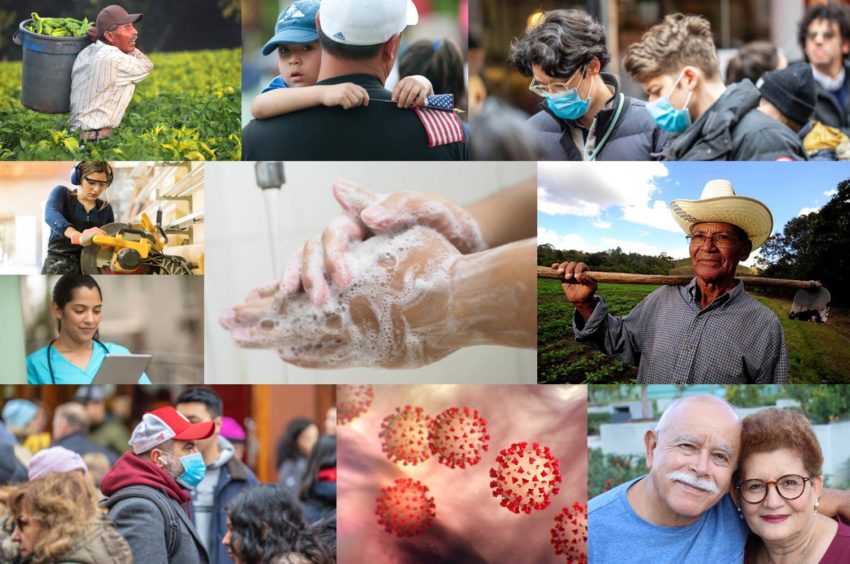
With the rise of COVID-19, our team at Salud America! is digitally curating content about what the coronavirus pandemic means for Latino health equity. We want to ensure Latinos get an equitable share of culturally relevant information. You can do your part! Share our Latino COVID-19 Vaccine "Change of Heart" Bilingual Storytelling Campaign in English or Spanish. We hope to move Latinos from vaccine hesitancy to vaccine confidence through telling stories of real Latinos who ended up getting the vaccine! Share our "Juntos, We Can Stop COVID-19" bilingual campaign to stop the spread! Share our infographic on 8 ways coronavirus impacts Latinos (English | Spanish).
Follow our content that has increased exposure to Latino health equity amid the pandemic, according to a ...
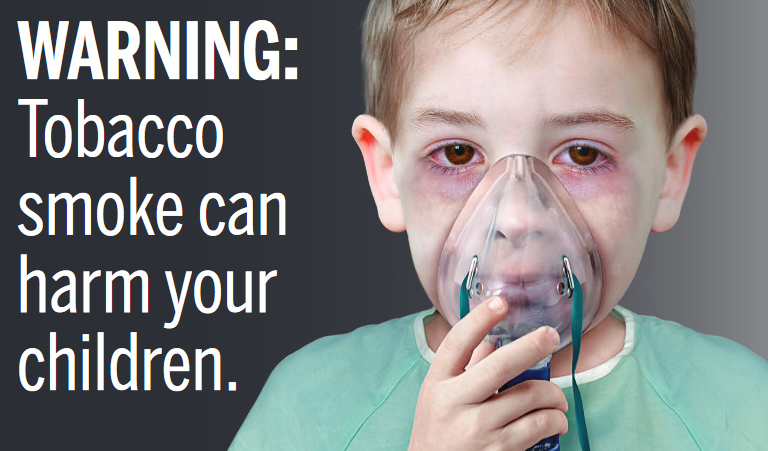
FDA approved listened to public input and approved 11 new anti-smoking graphic warning labels that it will require tobacco companies to add to cigarette packs starting June 18, 2021.
The warnings feature written statements with photo-realistic color images depicting some serious health risks of cigarette smoking. These include impact to fetal growth, cardiac disease, diabetes, and more. Last year, over 402 members of the Salud America! network sent emails to FDA to speak in favor of the warning labels for cigarette packages and advertisements. "The 11 finalized cigarette health warnings represent the most significant change to cigarette labels in more than 35 years," said Mitch Zeller, director of the FDA's Center for Tobacco Products, in a news release. "[This] will considerably ...
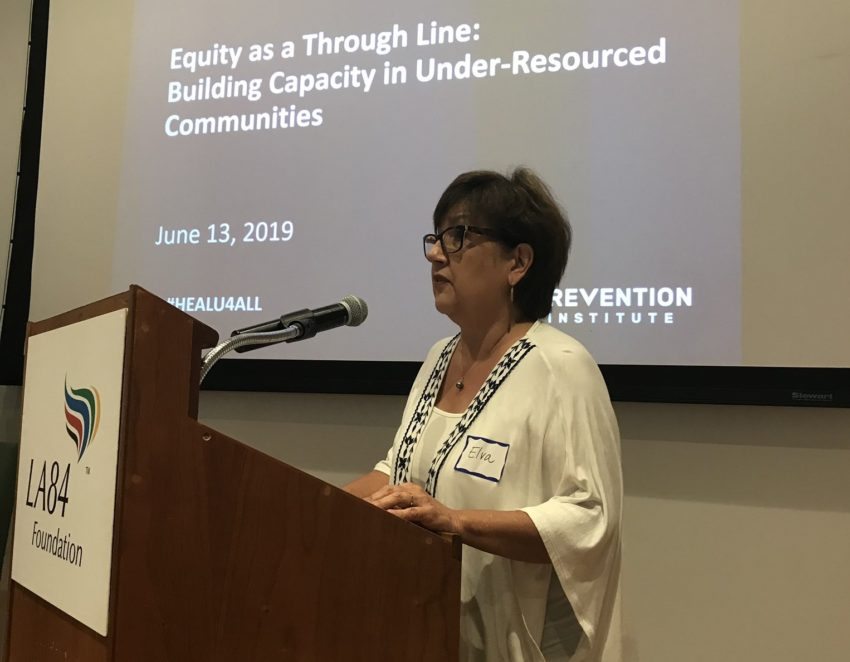
Elva Yañez—with her neighbors and allies—waged a campaign that has lasted over 15 years to preserve one of the last unprotected open green spaces in her Northeast Los Angeles community of El Sereno. Before working on healthy equitable land use issues, she worked in tobacco control. When she recognized similarities in the way tobacco companies and land developers fought to protect private interests from government regulation, she began using tobacco control tactics to fight for environmental justice. With the help of others, she led an effort to stop one particularly harmful residential development in her community that had serious public health and safety consequences. Throughout the campaign she knew she wanted to go upstream and address the systemic conditions that allowed ...
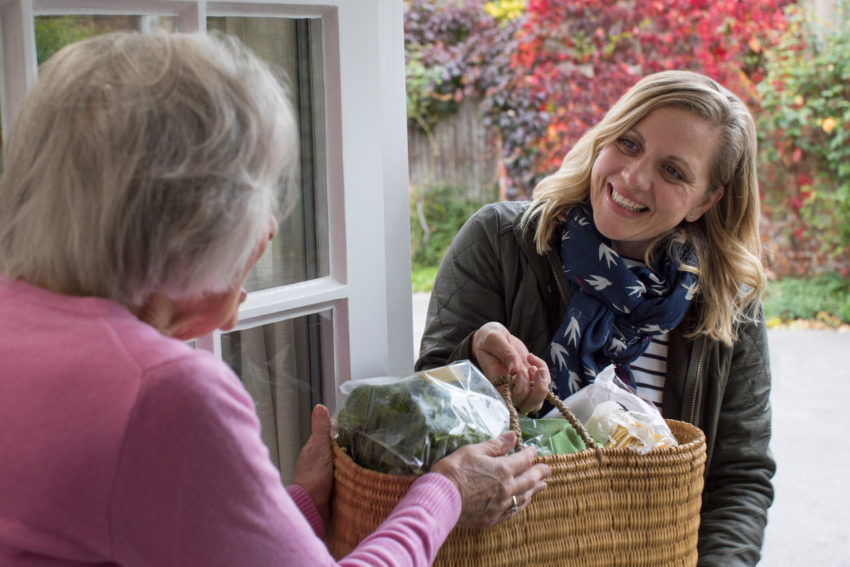
The coronavirus pandemic is causing fear and hoarding of groceries. But it's also inspiring beautiful acts of kindness around the nation. Kindness and equity can be rare during times of panic. Coronavirus, or COVID-19, is a serious condition that demands our attention. Smokers are uniquely susceptible. But, even amid an unusual disease outbreak, people and organizations are showing that kindness is instrumental in caring for people and promoting survival and health equity in tough times. "At a time of so much fear and uncertainty, these acts of kindness — for those committing and receiving them — are a desperately needed balm," says Latina writer Helen Ubiñas of the Philadelphia Inquirer. "A unifying act of humanity that reminds us that we are all in this ...