Is the food your baby eats truly healthy? Marketing for baby and toddler food and formula often contradicts expert guidance and “encourages parents to feed their young children products that may not promote healthy eating habits” needed for lifelong health, according to a new report. Marketing of added-sugar baby foods to Latino parents is especially problematic, given Latino children’s higher rates of overweight and obesity and health disparities. Let’s use #SaludTues on Nov. 15, 2016, to tweet about marketing techniques and the truth about the nutritional quality of children’s food and beverages. WHAT: #SaludTues Tweetchat “Is Your Baby’s Food What It’s Cracked Up to Be”
TIME/DATE: 1-2 p.m. EST Tuesday, November 15, 2016
WHERE: On Twitter with ...
U.S. Latinos are a diverse, dynamic, rising population. But without proper and unified data on this population, researchers can’t develop treatments and officials can't create public health campaigns to address Latinos’ high rates of obesity, diabetes, and certain cancers. Add your public comment now as the White House Office of Management and Budget (OMB) considers the first changes in 20 years to federal standards for collecting and reporting data on race and ethnicity. The changes would require federal agencies to collect and report more detailed data on the country’s diverse populations to identify and improve health equity. Not sure what to say? Use this model comment: Latinos are the largest racial/ethnic minority in the United States. In 2016, 1 in 6 people ...
Stomach cancer, once the nation’s top cancer killer, is now only 14th in U.S. cancer deaths. So you can relax, right? Well, among Latinos, stomach cancer rates are 73% higher in men and 50% higher in women compared to non-Latinos, and the decline in deaths from stomach cancer isn’t dropping as fast Latinos as it is for non-Latinos, according to the American Cancer Society. For Stomach Cancer Awareness Month starting in November, let’s use #SaludTues on Tuesday, Nov. 1, 2016, to tweet about the causes of and solutions to prevent and reduce this type of cancer among Latinos. WHAT: #SaludTues Tweetchat: “Giving Latinos No Stomach for Cancer”
TIME/DATE: 1-2 p.m. ET (Noon-1 p.m. CT), Tuesday, Nov. 1, 2016
WHERE: On Twitter with hashtag #SaludTues
HOST: ...
Fútbol (soccer) is played by 250 million people in more than 200 countries. The sport has many benefits, including its simplicity for beginners and complex strategies for veteran players, aerobic physical activity that lowers body fat and builds endurance from shifts in walking, running and sprinting, and social and leadership skill development. BUT…many U.S. Latinos and others miss out on fútbol because soccer fields tend to be limited to middle-class suburban neighborhoods and pay-to-play soccer clubs, experts say. Here’s some ways to bring soccer closer to home:
Building Soccer Fields for All
Soccer enthusiasts Shawn Levy and Ricki Ruiz, dismayed by the lack of safe, affordable physical activity opportunities in their part of Oregon, led innovative campaigns to help ...
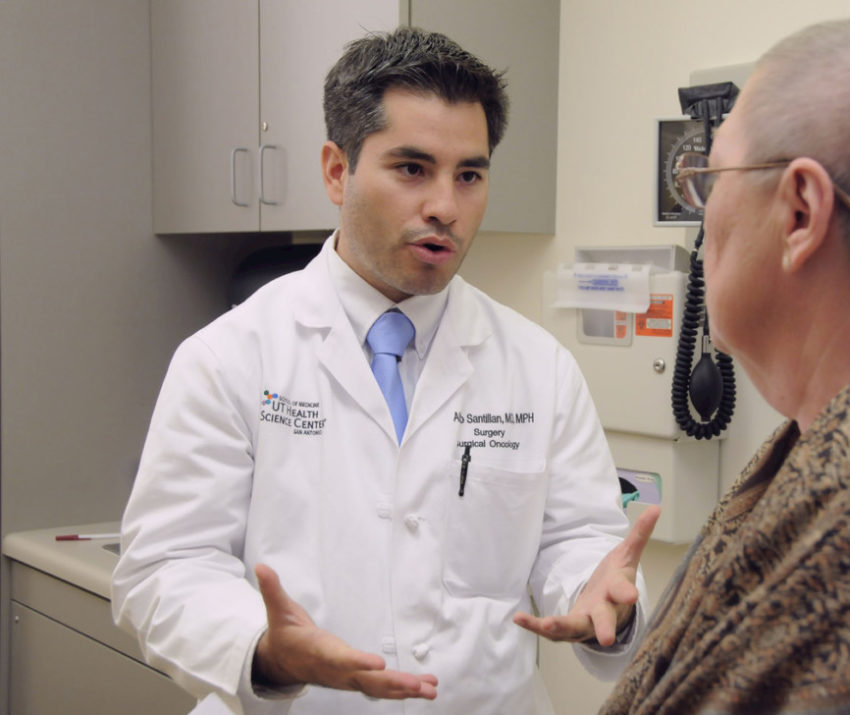
What happens in a state where half of people are Latino, but only 5% of doctors are? It means not enough doctors with the cultural competency and understanding of the Latino community to adequately serve them—like in California right now. That is why the Latino Physicians of California professional group and others are urging increased representation of Latinos in the medical field, according to California Healthline. Complicating matters is that, in California: Latinos represent only 8% of nurses;
Latino represent only 4% of pharmacists;
More than one-third of current doctors are expected to retire within 10 years; and
Latinos make up a small percentage of graduating medical students. “If we are going to properly serve our current and future patient base, we ...
The U.S. Latino population surged 243% since 1980. But at the same time, the number of Latino doctors dropped substantially. The need for more Latino physicians is vital for the nation's rising Latino population, to enable better access to healthcare with fewer cultural and linguistic barriers. So how can we get more Latino doctors? Use #SaludTues on Oct. 25, 2016, to tweet with us, Dr. Esteban Lopez of Blue Cross and Blue Shield of Texas, the National Hispanic Medical Association, and the Latino Medical Student Association, about innovative strategies to increase Latino doctors. WHAT: #SaludTues Tweetchat “How to Address the Latino Doc Shortage”
TIME/DATE: 12-1 p.m. CST, (1-2pm EST), Tuesday, Oct. 25, 2016
WHERE: On Twitter with hashtag #SaludTues
HOST: ...
Latinos are the U.S. population most likely to skip health care due to cost. But there's some good news. Latinos are also more likely to be open to new ways of accessing care, like engaging with the health system through new tools, venues and ways, if it costs less and the technology is available, according to a new report by PwC Health Research Institute. Latinos are the leading edge of the new health economy, where consumers choose care according to their wants, needs and wallet. In 10 areas, according to the report, Latinos are more likely to: Be satisfied with the care at a retail clinic.
Use alternative venues, such as retail clinics, for care.
Have communicated with a clinician via email or other digital means.
Be open to new ways to access care, from using ...
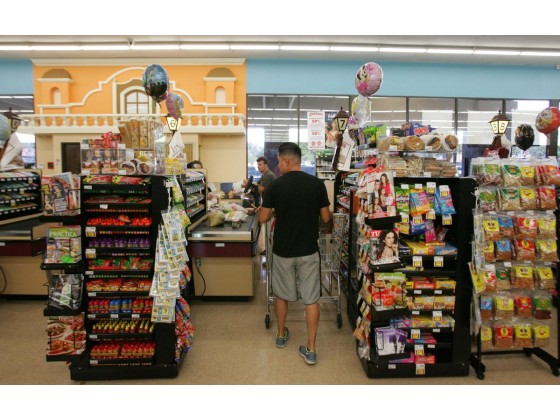
Cardenas, an Ontario-based grocery chain in Riverside County (47.9% Latino) that markets it's products to Latino shoppers, are now changing their store's checkouts, offering healthier snacks after listening to shoppers like Alejandra Padilla. Why? Padilla, a Latina mom of three, wants the checkouts to be filled with healthy convenient options like apple slices, nuts, trail mix and water, as many times she must deal with their kids wanting the unhealthy candy and soda's displayed at checkouts, she explained to Press Enterprise. Latinos are often more at risk for health problems like Type 2 diabetes, heart disease, obesity, and other diet-related diseases the American Heart Association reports, but encouraging healthier foods, may help play a part in decreasing diet-related ...
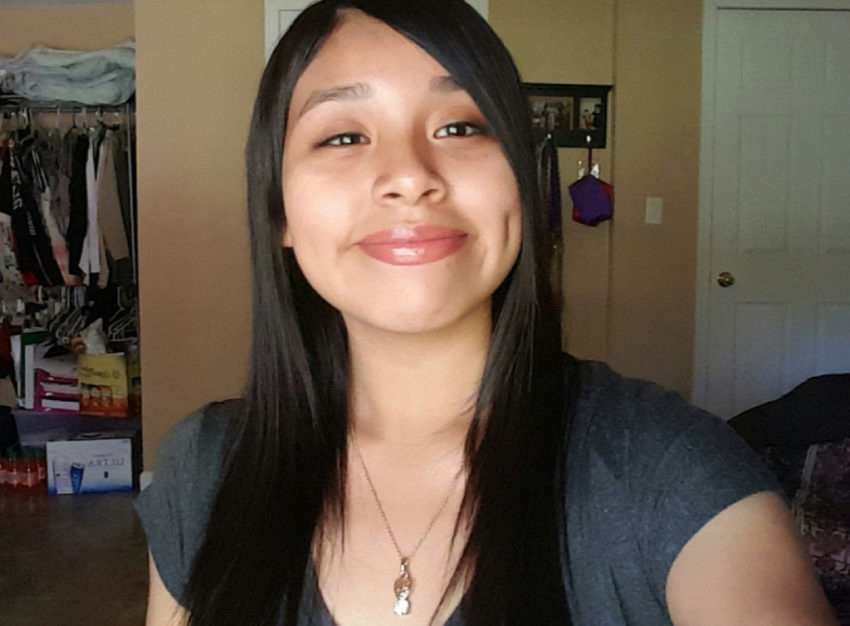
Maryflor Peña of Phoenix started to gain weight in sixth grade. She’d gained 65 pounds by the seventh grade, eating more pasta, more tacos, more everything. At age 12, Maryflor was diagnosed with high blood pressure, high cholesterol and a fatty liver — ailments common in overweight and obese children and adults. A pediatric specialist told Maryflor and her parents that she must start eating healthy and exercising or would face a future of heart disease and diabetes. The teen, with the help of her parents, embarked on a weight-loss journey that has helped improve her vital signs and eventually spurred health improvement among her family members, according to a profile story by the American Heart Association. Latino children are far more obese and overweight than their ...