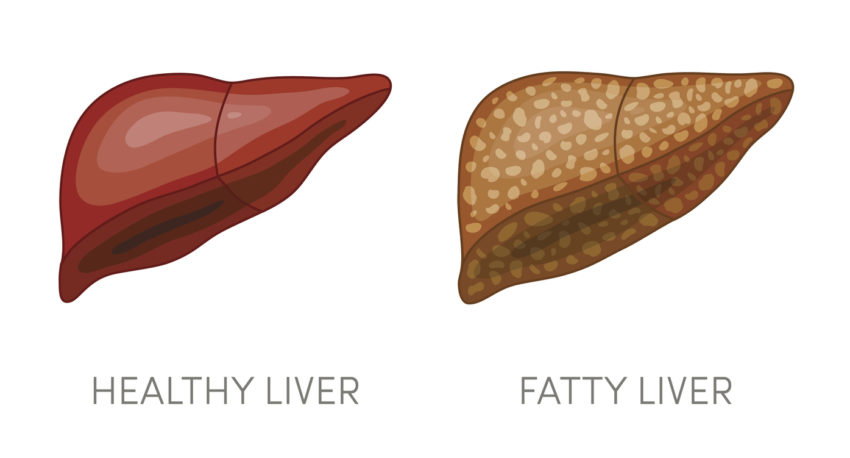
Childhood cases of fatty liver disease have risen over the last decade, prompting researchers to search for answers in risk factors such as genes, birthweight, and malnutrition.
While studies involving adults that have fatty liver disease and liver fibrosis and food insecurity have been conducted, few focused on children — until now.
A recent study assessed the influence food insecurity – living without enough food for a healthy life for all family members – on the development of fatty liver disease in 4-year-old Latino children, and discovered that food-insecure Latino children experienced a higher risk for the disease. Results of the Fatty Liver Disease Study
The study involved two groups of San Francisco Latino mothers and followed their child’s development from pregnancy ...
Did you know 1 in 5 people with liver cancer in the United States are Latino? The rise of liver cancer in Latinos is happening for many reasons. Some of the big reasons include excess body weight, alcohol use, smoking, and metabolic disorders. Latinos are often diagnosed at more advanced stages of liver cancer. With this in mind, let’s explore helpful resources for Latinos on liver cancer.
Liver Cancer Connect
With liver cancer disproportionately impacting Latinos, it’s crucial that they have educational tools and resources to help navigate through their diagnosis. Liver Cancer Connect is a program by the Hepatitis B Foundation that provides liver cancer patients and their families with information and support. “Although this is a serious diagnosis, ...
Latinos have the second-highest rate of dying from liver cancer among racial/ethnic groups. Understanding the reasons why this is happening can reveal how to address this suffering and prevent liver cancer among Latinos, which can improve health for the broader population. “Understanding the causes of Latino liver cancer rates in South Texas and across the nation is critical. We must develop interventions and identify high-risk individuals who may be screened and treated with the best available care,” said Dr. Amelie G. Ramirez, leader of Salud America! and the Institute for Health Promotion Research at UT Health San Antonio. So, why does liver cancer hurt Latinos in particular?
1. Aflatoxin Exposure
Aflatoxins are a family of toxins produced by certain fungi ...
We know many types of cancer deeply and disproportionately affect U.S. Latinos. Liver cancer is a particular problem. In fact, Latinos have the second-highest rate of dying from liver cancer among racial/ethnic groups, according to the CDC. Let’s examine the data and unpack this rising crisis for Latinos.
What is Liver Cancer?
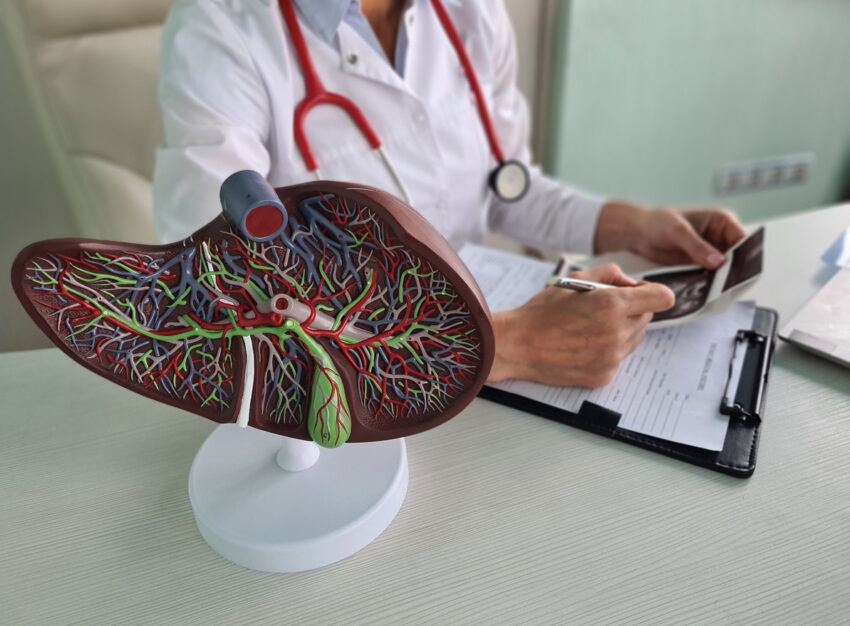
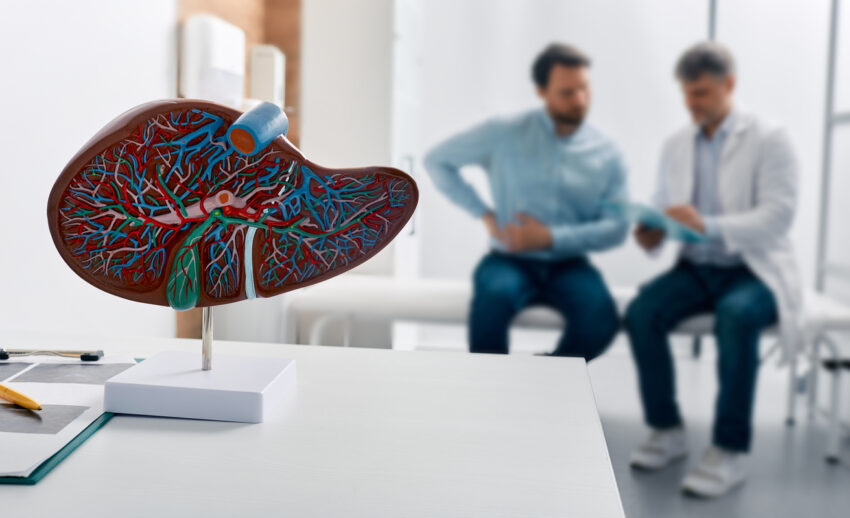
The liver has many important jobs in the body. It plays a role in digestion, supporting healthy blood flow, breaking down needed nutrients, and more. Liver cancer can start at any part of the liver. The most common type of liver cancer is hepatocellular carcinoma (HCC). “Liver cancer is a disease in which malignant (cancer) cells form in the tissues of the liver. The liver is one of the largest organs in the body. It has ...
Cancer can affect anyone. But Latinos experience higher rates of infection-related cancers, ones that are preventable, than their white peers, according to a new study from the American Cancer Society (ACS). In fact, Latinos suffer two times higher rates of liver and stomach cancers—infection-related but preventable cancers—than their white peers. “Addressing this critical gap for Hispanic individuals in obtaining access to high-quality cancer prevention, early detection and treatment is going to be essential for mitigating the predicted growth in the cancer burden,” wrote Kimberly Miller, an ACS scientist, in the report. “In addition, more research is needed to assess not only the impact of the COVID-19 pandemic on the utilization of cancer care, but also the impact ...
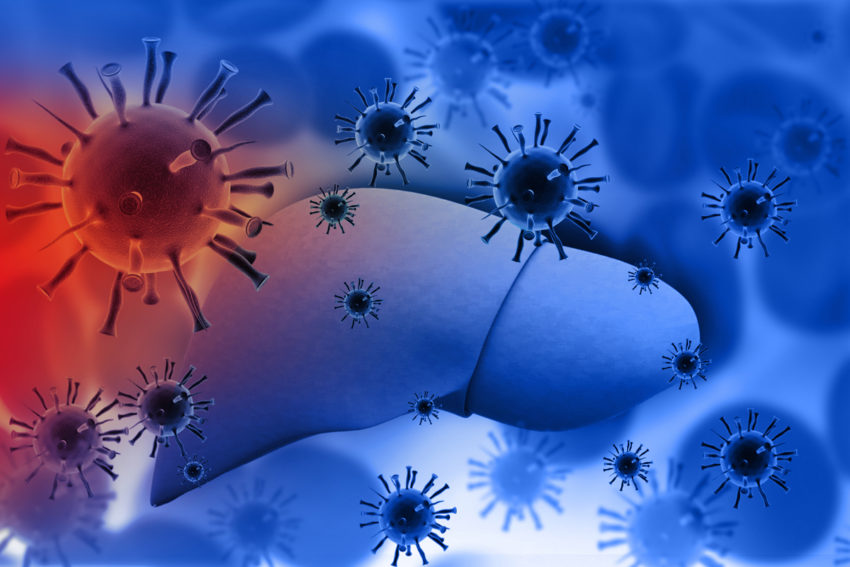
Chronic liver disease can wreak havoc on the body, especially when there is a viral illness spreading worldwide. People suffering from Non-alcoholic Fatty Liver Disease (NAFLD) are roughly three times as likely to die from coronavirus than those who did not suffer from any liver disease, according to a recent study done at Sheba Medical Center. "It's possible that the coronavirus damages the liver similarly to the way in which it attacks the lungs," Professor Ziv Ben Ari, head of the Center for Liver Diseases at Sheba Medical Center, told The Jerusalem Post. "It is also possible that the damage to the liver is done by the medicine given to the patient to treat COVID-19 or an immunological reaction caused by the virus, which causes a Cytokine storm, which causes a liver ...
October is Liver Awareness Month! Liver cancer is continuously on the rise, especially among Latinos. In South Texas specifically, Latinos have the highest rate in the nation. When it comes to hepatitis C, the number of U.S. Latinos with hepatitis C (2.6%) is higher than the number of overall people with hepatitis C (1.3%). Hepatitis C disease progression has also shown to be faster in Latinos than in Whites. Furthermore, the most common risk factor for liver cancer is long-term infection with the hepatitis B virus (HBV) or hepatitis C virus (HCV) worldwide. These infections can lead to cirrhosis of the liver and are directly responsible for making liver cancer the most common cancer in many parts of the world. Nonalcoholic steatohepatitis, otherwise known as NASH, is another ...
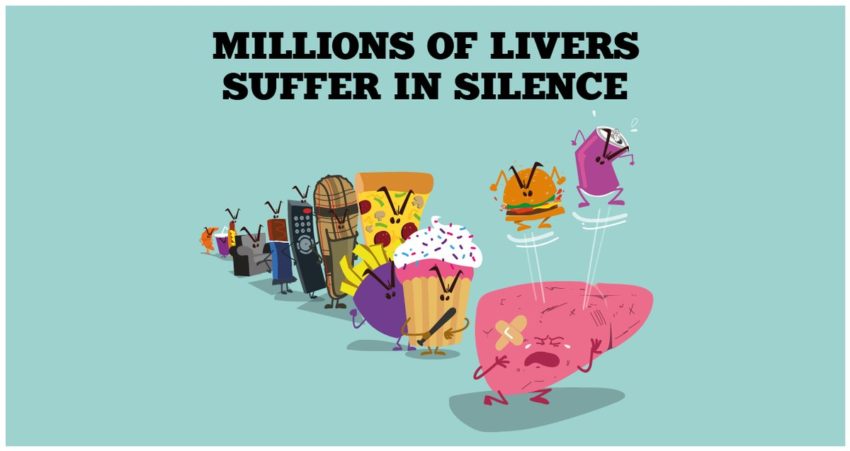
A lack of access to healthy, sustainable food is causing Latino kids to develop severe health conditions including issues with their internal organs. One significant issue of concern is pediatric nonalcoholic fatty liver disease. The rate of diagnoses is increasing among Latino kids, Kaiser Health News reports. “Fatty liver disease is ripping through the Latino community like a silent tsunami and especially affecting children,” said Dr. Rohit Kohli, chief of gastroenterology, hepatology, and nutrition at the University of Southern California and Children’s Hospital Los Angeles. The ailment is also linked to genetics as well as high levels of sugar and fat in diets.
Fatty Liver Disease & Latino Kids
Before 2006, many doctors did not know that children could develop ...
More than 150 worldwide medical experts issued a manifesto to fight liver disease, called NASH (nonalcoholic steatohepatitis), as part of the first-ever NASH Day on June 12, 2018. But just what is NASH? Why is it so important to Latinos?
NASH and Our Diets
NASH is a liver disease that stems from high-sugar, high fat diets. "To compensate, [our livers] start storing excess fat. If nothing changes, such as diet or exercise, our livers get inflamed — which is what we call hepatitis. Eventually, the disease progresses to nonalcoholic cirrhosis, liver failure, liver cancer, the need for a liver transplant and even death," according to a San Antonio Express-News report. NASH is a rising public health threat for several reasons. It could lead to needing a liver transplant, which ...