As shelter-in-place orders swept the U.S. during the coronavirus pandemic, healthcare providers’ implementation of telehealth expanded rapidly. In telehealth sessions, those seeking routine check-ups, mental health care, or other services can meet with their provider virtually using computers or other smart devices. This novel way of treating patients aims to look for ways to deliver care to patients in their homes to limit the transmission of the novel coronavirus. "The current public health emergency and the resulting accelerated growth potential in telehealth services is an opportunity for providers to enhance their care practices and for insurers and policymakers to recognize the value of telemedicine," a recent report from UCLA's Center for the Study of Latino health and ...
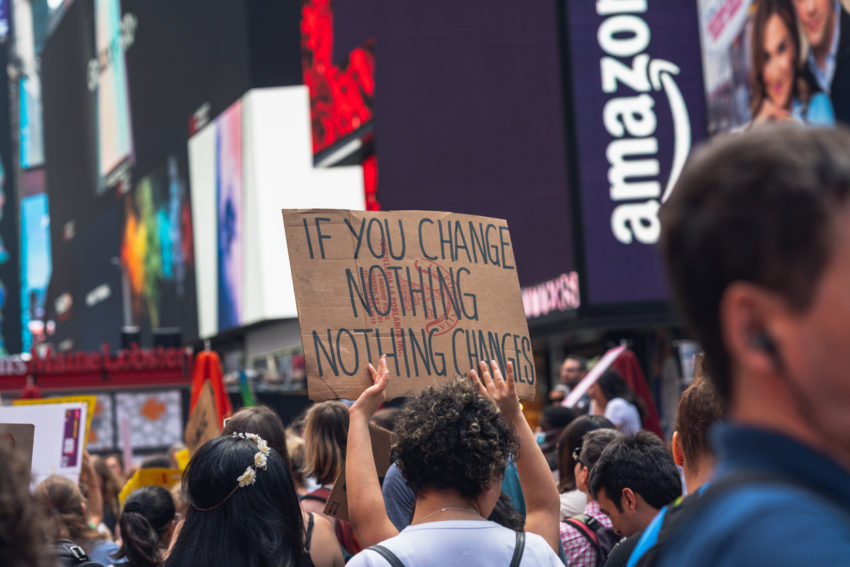
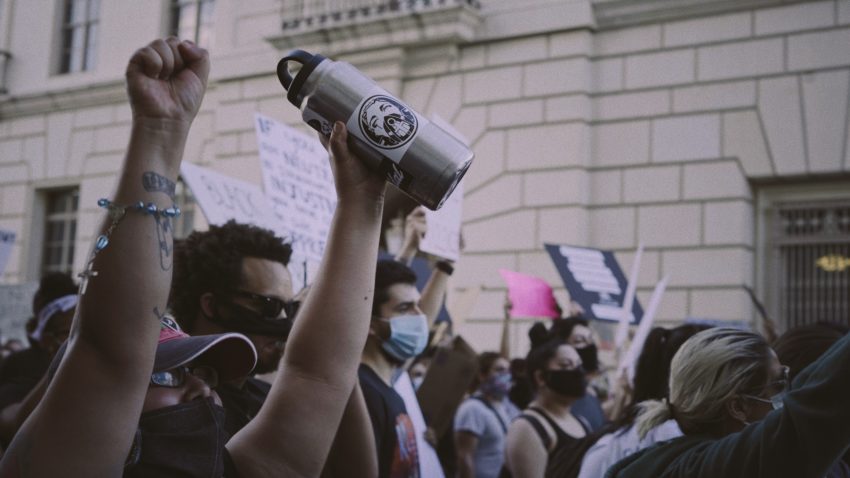
Since the founding of this country, Latinos, African-Americans, and all people of color have experienced harm at the hands of an unjust system. With the death of George Floyd at the hands of those meant to protect and serve, millions have taken to the streets to protest systemic racism across the U.S. Latinos, who are experiencing a rising burden of hate crimes, discrimination, and anti-immigrant sentiment, have joined in the Black Lives Matter cause to advocate for change — not just in African-American neighborhoods, but in all communities of color. “It’s not just black people being murdered by police. Hispanics are dying, too,” Fernando Garcia, executive director of the Border Network for Human Rights (BNHR), told El Paso news station WWLP 22. “It’s not only one bad ...
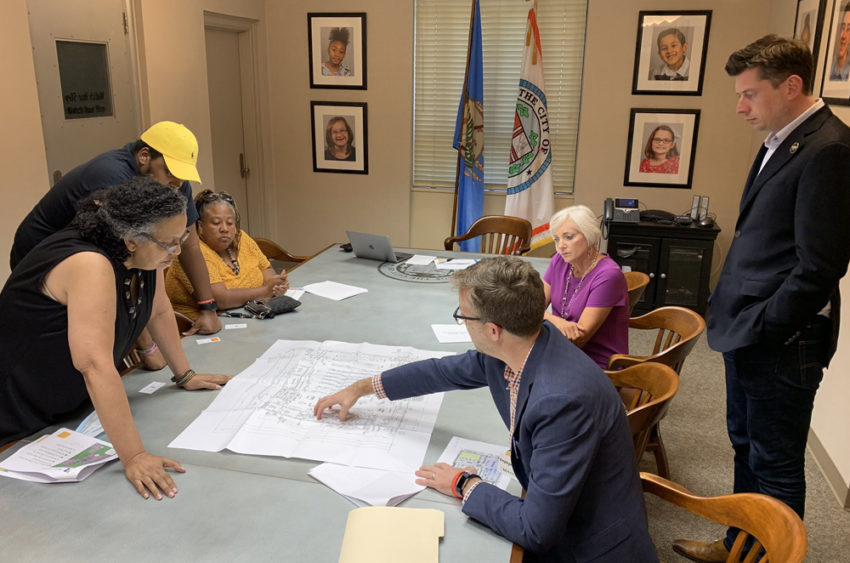
In a move that shows how social movements can address local health, Black Lives Matter advocates are helping push for a grocery store in a food desert in Oklahoma City (14.6% Black, 19.2% Latino). The advocates brought a demand for a store to city leaders. They met with Oklahoma City Mayor David Holt, Homeland grocery store President and CEO Marc Jones, and economic developers to discuss plans for building the 30,000-square-foot store to a local food desert on the Northeast side of the city, according to Patrina Adger of KOCO News. The area's only grocery store closed down about a year ago. This left neighbors with little access to fresh fruits and vegetables. "Obviously it's just this huge unmet need [for healthy food options] for a number of years," Jones of Homeland told ...
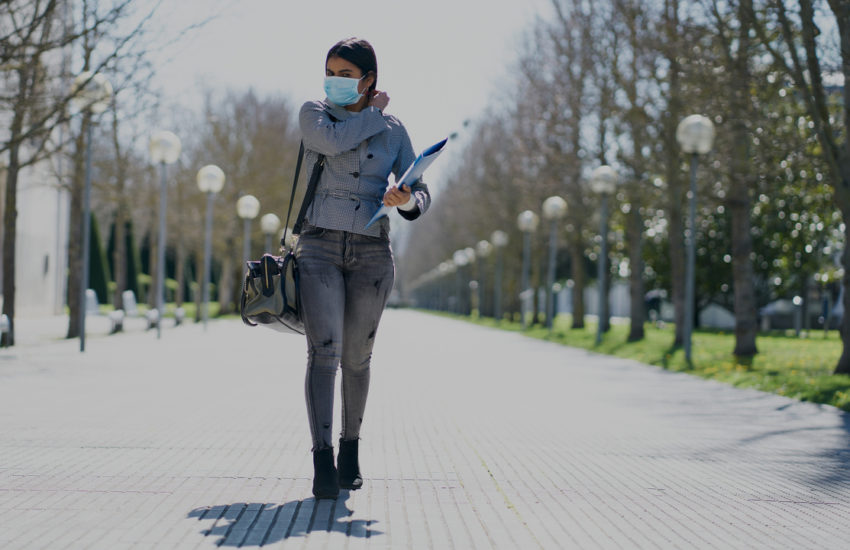
To minimize exposure to and transmission of COVID-19, providers have rapidly transitioned to telehealth to care for patients at a distance. However, there is an absence of best practices and necessary infrastructure to expand telehealth services, particularly in underserved and Latino communities. Latinos are particularly vulnerable to this disruption in care for many reasons, such as: they have highest uninsured rates of any racial or ethnic group in the U.S.;
they are less likely to have a usual source of health care;
they face barriers related to differences in culture, language and beliefs;
they are less likely to have broadband subscription than whites; and
they face higher rates of COVID-19 due to their jobs in the service industry. Join #SaludTues on June ...
Latinos and Blacks together comprise 55% of coronavirus cases, nearly double their U.S. population makeup, according to new CDC data. Overall, Latinos were 33% of COVID-19 cases and Blacks were 22% in an analysis of 1.3 million lab-confirmed coronavirus cases reported to CDC during January 22-May 30, 2020. These are much higher rates than Latinos and Black representation in the U.S. population (18% and 13%). The new CDC data reinforce the disparate impact of COVID-19 on Latinos amid worsening historical inequities. "As protests against systemic racism in policing take place nationwide following the death of 46-year-old George Floyd while in Minneapolis police custody, the pandemic continues to show similar discrepancies in healthcare and economics," Forbes reports on the CDC ...
Racism is a public health crisis. Decades of racism-infused social, economic, and political systems have led to inequitable communities. These areas face higher burdens of stress, disease, and premature death. Now, amid U.S. protests for racial/ethnic and social justice, city leaders are creating resolutions that declare racism a public health crisis and commit to action. Download the free Salud America! “Get Your City to Declare Racism a Public Health Crisis Action Pack.” The Action Pack will help you get input from local social justice groups and advocates of color, start a conversation with city leaders, and build local support for a resolution to declare racism a public health issue along with a commitment to take action to change policies and practices. GET THE ...
Unlike a pandemic or emergency, there is no epidemiological definition for public health crisis. Experts at the Boston University School of Public Health tried to solve this. They explored the distinction between immediate and important and how politics, perceived risk, and affected groups shape the concept of a crisis. For example, they juxtaposed the number of deaths caused by terrorism and by gun violence with action taken by the U.S. government. Between 2001 and 2013, 3,380 Americans were killed by terrorism and 406,496 Americans were killed by firearms on U.S. soil; yet the U.S. spent trillions on the War on Terror and failed to pass gun control legislation. They conclude that people often confuse the immediate and the important, and that the important often fails to receive ...
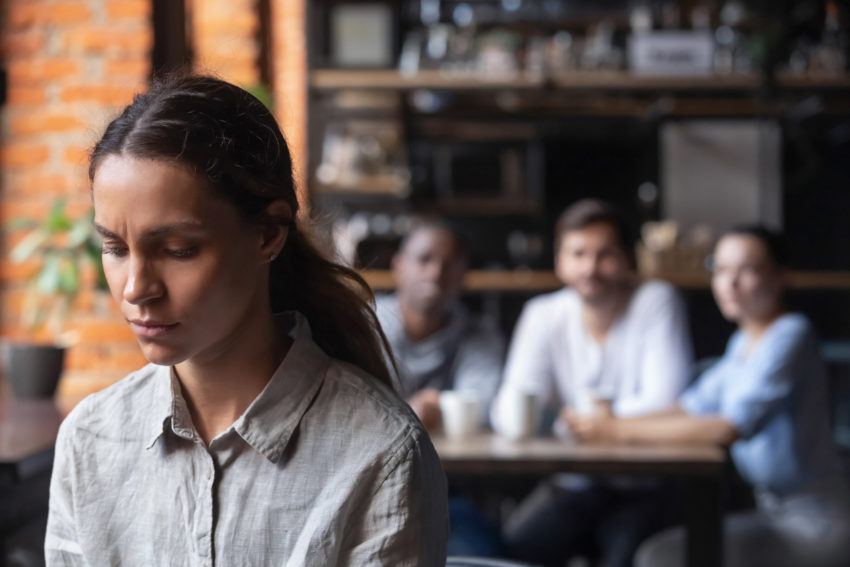
The current novel coronavirus afflicts more than just the lungs. For Latinos and other people of color, COVID-19 has caused disproportionately higher rates of cases and death, job loss, and other inequitable impacts. These groups are also experiencing more mental health issues than in previous eras, according to Dr. Madeline Aviles-Hernandez, the Outpatient Services Director at the Gándara Center. “This crisis is making life much more difficult for [Latinos, African-Americans and other culturally diverse populations] we serve, including those in recovery and people who have yet to be treated for such problems as anxiety and depression,” Aviles-Hernandez said in a statement. “Minorities have been—and continue to be—less likely to receive mental health ...
55,564 people—including members of Salud America!—submitted public comments to help shape the 2020-2025 Dietary Guidelines for Americans. A federal advisory committee will consider the public comments, collected from March 2019 to June 2020, as they create a scientific report to inform the new dietary guidelines. Our members made over 250 comments to add water to the MyPlate/MiPlato graphic, reduce added sugars, and promote dietary equity. The USDA and HHS will use the scientific report and comments to draft the 2020-2025 Dietary Guidelines for Americans. But don't worry if you missed commenting! USDA and HHS will open a new comment period for the advisory committee's scientific report around July 15, 2020. "We're excited that so many people spoke up for equitable ...