Stacy Cantu completed both her BS & MPH at Texas A&M University (gig ‘em!), and is passionate about all things public health. She curates content on Healthy Food and Healthy Minds.
This week, the Center For Disease Control and Prevention launched their social media campaign for healthy schools, #CDCHealthySchools. The CDC’s Healthy Schools social media campaign aims "to increase awareness of the impact school health programs have in schools and school districts across the United States," said Holly Hunt, Chief of School Health at the CDC, in a letter sent to Salud America!.
Healthy Schools Social Media Campaign
The campaign encourages participants to answer the question, “What does a healthy school look like to you?” and use the hashtag #CDCHealthySchools to answer the question on any or all of your social media channels. Try posting a video, photo, graphic, or text. The campaign runs through Feb. 28, 2019. As part of the campaign, the CDC also ...
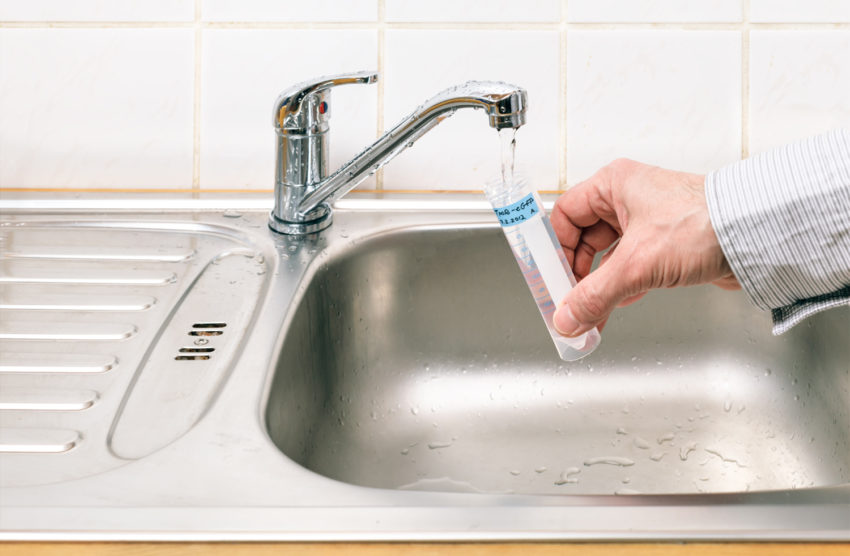
More than 5.6 millions Americans are drinking water with increasingly high amounts of nitrates known to cause health problems, according to a new study. Latinos are disproportionately exposed to nitrates in public water systems. "Since the lead crisis in Flint, Michigan, there's been a real push to document other types of disparities in drinking water quality in the U.S. and understand the factors that drive them," said Dr. Laurel Schaider, lead author of the study in the Journal of Environmental Health and an environmental chemist at Silent Spring Institute, in a statement. "Because at the end of the day, everyone should have access to clean and safe drinking water regardless of your race or where you live."
The Shocking Study Results
For the study, scientists at the nonprofit ...
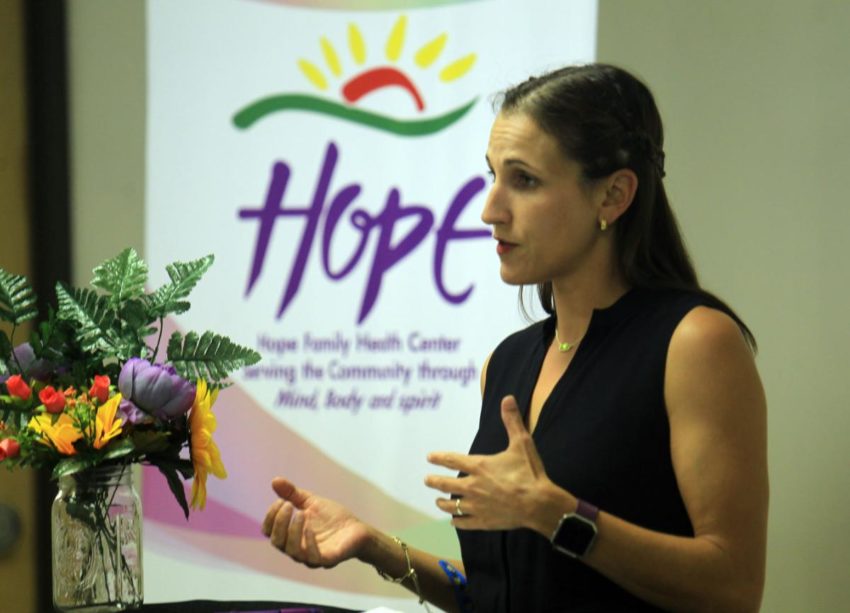
Struggling with behavioral or mental health issues? If you're in the Rio Grande Valley (~90% Latino), there is a phone number you can call to get help. The Hope Family Health Center in McAllen, Texas has launched a new service: A Peer Run Warm Line. This resource is for those in the community who are experiencing depression, anxiety, stress, loneliness, or any other non-crisis, non-emergency ailment to their everyday living. The Warm Line launched on January 21, 2019. "There may be somebody that will be going through a crisis or close to a crisis and need somebody to talk to and [they're] isolated and don’t want to call the hospital for help or don’t have the resource," Rebecca Stocker, leader of Hope Family Health Center in McAllen, told The Monitor. "They can ...
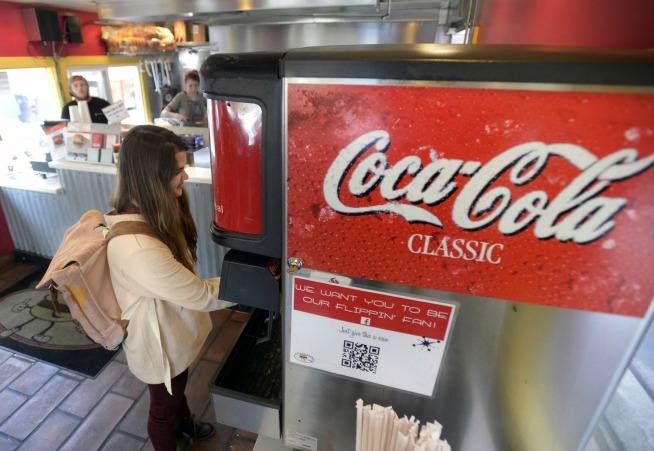
Water and milk are now the "default beverage" on kid's menus in California, thanks to a new law that experts say is a public health win against the devastating effects of sugary drinks. The Healthy-By-Default Kids’ Meal Beverages Act, which went into effect Jan. 1, 2019, makes California (39.1% Latino) the first state to require water or milk as the beverage automatically offered with kids’ meals at restaurants, according to Voices For Healthy Kids. The change also bans the display of sugary drinks on kid's menus and ads.
A Win For California Parents
The new law is the first of its kind. Bipartisan legislators and health advocates supported the law, including Public Health Advocates, a Voices For Healthy Kids grantee. Latino Coalition for a Healthy California also showed ...
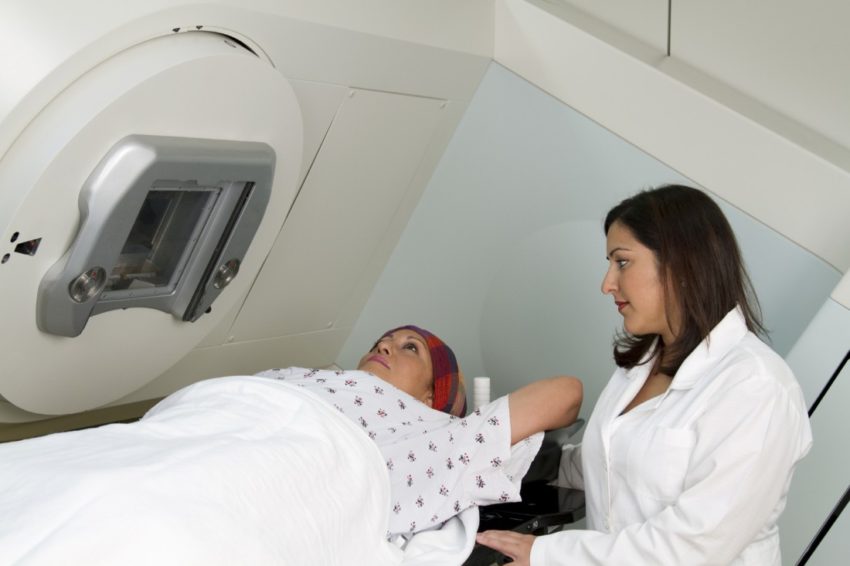
The overall U.S. cancer death rate fell 27% from 1991 to 2016, according to a recent study by the American Cancer Society. Good news, right? Not so fast. The report revealed a disturbing trend: a growing gap in cancer death rates based on wealth. "It was surprising to see that the disparities by socioeconomic status are actually widening," Rebecca Siegel, first author of the study and strategic director of surveillance information at the American Cancer Society, told CNN. "Wealth causes differences in exposure to risk factors and also access to high-quality cancer prevention, early detection and treatment." Cancer is the leading cause of death among U.S. Latinos. They are more likely to receive a cancer diagnoses in later, less curable cancer stages.
The Bad News
This is ...
Latinos are more likely than their peers to have mental health issues, which usually go unaddressed and untreated, according to a Salud America! research review. And with today’s anti-immigrant climate, the mental health of Latinos continues to suffer. Fear of deportation, mainly those in immigrant communities, is one of the main reasons mental health goes untreated. But there’s good news! Researchers at Massachusetts General Hospital's Disparities Research Unit have tested a novel preventive intervention designed to provide tailored treatment for Latino immigrants with both mental health and substance misuse symptoms, according to a press release. This research is a collaboration between teams in Spain, U.S. and Puerto Rico. "We know that Latino patients benefit when ...
Latinos make up nearly 18% of the U.S. population and are the largest ethnic minority. Even 1 in 4 U.S. kids is Latino, mostly U.S.-born citizens. Yet with the current political climate of inflammatory rhetoric, parental separation, and tear-gassing of migrants along the border, many Latinos feel the burden of an anti-immigrant climate, according to a research report. “Current discourse about immigrants and immigration tends to be dehumanizing,” Dr. R. Gabriela Barajas-Gonzalez, assistant professor of Population Health at NYU’s School of Medicine and lead author of the study, told HuffPost. “Dehumanization is never healthy.”
The Alarming Study Findings
This appalling rhetoric is harmful for Latinos, regardless of their immigration status, according to the new ...
By Celina Parás, MSc, RDN, LD
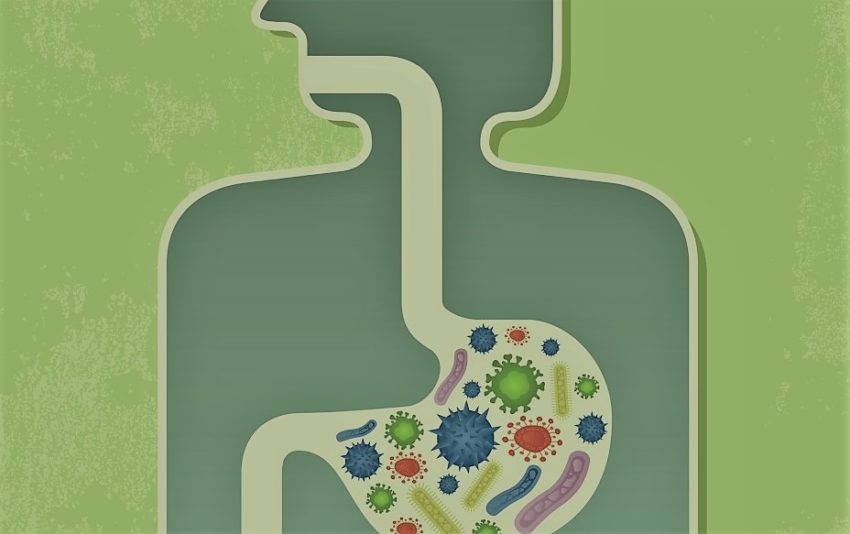
Guest Blogger, Nutrition Education Specialist, CHEF Program, The Children’s Hospital of San Antonio By now, you’ve probably heard about probiotics and prebiotics. You can find them as supplements and they’re even added to foods at the super market, but did you know you can also find them naturally in many foods?
Probiotics and Their Role in Health and Food Sources
In your gut, whether you're Latino or not, you house thousands of bacteria, called the microbiome. While most play an important role in health, others may be harmful by disrupting our gut balance. Probiotics are "friendly" bacteria that promote digestive health and offer other potential benefits by helping balance our gut-flora. Research has shown that including probiotics ...
51% of Americans live in child care deserts, in which Latinos are greatly disproportionately affected, according to a new report by the Center for American Progress. Child care deserts are defined as regions where there are no licensed child care providers for kids under the age of 5 and/or there is less than one slot in an accredited child care center for every 3 children under the age of 5.
Latinos and Child Care Deserts
Even though Latinos are the fastest-growing racial/ethnic group in the US and 25% of kids in the US are Latino, Latino families are more probable to live in regions with scarce child care options, according to the report. 60% of Latinos live in regions that have an undersupply of licensed child care centers. Furthermore, areas where the Latino population are ...