About the Author

Author Picture

Julia Weis

Julia Weis joined Salud America! and its home base, the Institute for Health Promotion Research at UT Health San Antonio, in September 2020. With a degree in Communication from Trinity University, Julia has previously worked in journalism, marketing, graphic design, and technical writing. She loves biking and hiking in the Central Texas outdoors and is passionate about environmental and social justice issues.


Connect with Julia:
Twitter Link

Articles by Julia Weis

Denise Hernández: Finding Herself by Unlearning Implicit Bias and Embracing Her Chicana Heritage

Denise Hernández salud hero chicana implicit bias

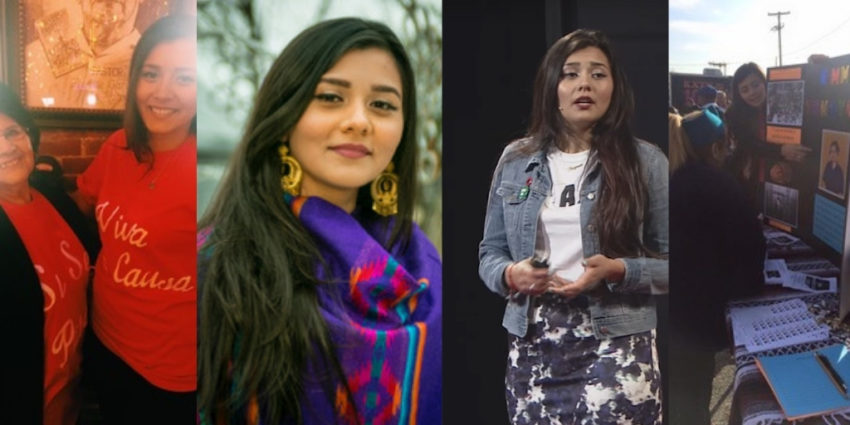
Denise Hernández is a proud Chicana and a 5th generation San Antonian. She is the founder of Maestranza, an organization based in San Antonio that empowers community members through education, activism, and collaboration with other local social justice groups. She also coordinates events and constituent services for San Antonio City Councilman Roberto Treviño. MySA named her a “Rising Star in Their 20s.” She’s led speaker series, workshops, and even a TEDx talk. Denise Hernández is an educator, activist, and advocate for her community. And at only 29 years old, she’s just getting started. But the journey here was anything but easy. It took years of self-discovery, unlearning biases, and confronting the discrimination that her family has faced for ...

Read More
Police Departments Move to Diversify Workforce to Better Reflect Population


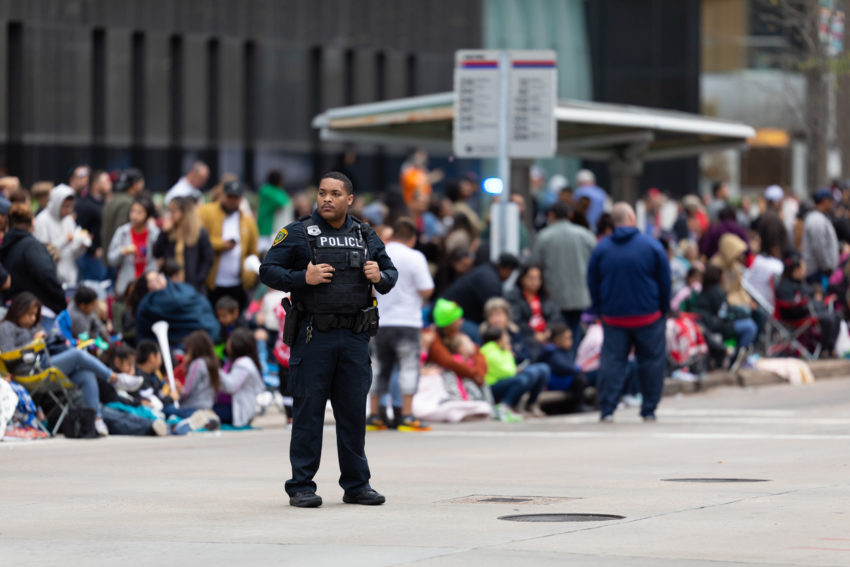
Police Departments Move to Diversify Workforce to Better Reflect Population

Across the country, police departments are making efforts to diversify their workforce to better reflect the populations they serve. With more Latino, Black, and other non-white police officers, law enforcement may have a better opportunity to connect with the community. “Having better representation within the department may help address some of the reservations about police,” according to WGN9. However, many police departments are facing challenges in recruiting diverse officers. Cities That Are Diversifying Police Departments Despite hiring more people of color in the past 30 years, the majority of police departments are still predominately white and do not proportionately represent people of color. “The share of minority officers nationally has nearly doubled in ...

Read More

Ángela García: Helping Her Community Through Art and a Free Fridge


Ángela García Free Fridge

Ángela García wasn’t planning on becoming an artist. She entered college in the pre-med track, intending to go into a medical career. But then she started taking art history classes. And she kept taking them, despite still being in the pre-med track. “I was like, ‘You know what? I don’t like this. Maybe I don’t like the sciences as much as I thought I did. And I’m really interested in this art history curriculum.’ So, I switched over at the end of my sophomore year,” García said. Now she’s a senior art history major at Trinity University in San Antonio, Texas, with several large-scale art projects under her belt, having rekindled a passion for creative work from her childhood. “I used to do painting when I was younger but I kind of fell out of it for a ...

Read More

Study: Americans are Delaying Cancer Screenings, Believe Racism Affects Health Care


Almost 60% of Americans believe that racism can impact the health care an individual receives, according to the National Cancer Opinion Survey conducted by the American Society of Clinical Oncology (ASCO). The survey also found that about two-thirds of Americans have skipped or delayed scheduled cancer screenings due to the COVID-19 pandemic, which is disproportionately harming Latinos. These results have wide-ranging implications for preventative care and the perception of health care disparities in the United States. About the Survey on Racism, Health Care The National Cancer Opinion Survey is conducted annually. This year, ASCO surveyed over 4,000 U.S. adults older than 18, with over 1,000 of them former or current cancer patients. “This survey assesses Americans’ ...

Read More

How Cities are Using Community-Based Workers for Effective Contact Tracing


Community-Based Workforce

As we continue the battle against COVID-19, public health authorities are urging cities to increase their contact tracing efforts. “Contact tracing is key to slowing the spread of COVID-19 and helps protect you, your family, and your community,” according to the Center for Disease Control and Prevention. But identifying people who have tested positive for COVID-19 and tracking their whereabouts and potential infection sources has its challenges. People may be skeptical to release information to contact tracers calling on the phone if they’re wary of scams. And because COVID-19 disproportionately affects Latino and other minority communities, there may be a language barrier or sense of fear when discussing health information with state employees. What can be done to face ...

Read More

The Rise of Implicit Bias Training


Implicit Bias Training

Bias. We see it in the media every day. We see how police officers disproportionately target people of color. We see how COVID-19 affects Latino and Black people more than white people, which has brought racial disparities in healthcare to light. How do we address this bias? Many states are turning to mandatory implicit bias training for state employees. What is implicit bias? Implicit bias is defined as preconceived notions, or stereotypes, that affect our understanding, actions, and decisions about others—at a level beyond our conscious control, according to a Salud America! research review. This kind of bias happens when stereotypes influence your brain processing. Stereotypes like these then influence your actions and judgments: A widely held, simplified, and ...

Read More

#SaludTues Tweetchat 9/29: How a Community-Based Workforce Advances Health Equity


How a Community-Based Workforce Advances Health Equity

Latinos are disproportionately impacted by the health and economic impacts of COVID-19. To reduce inequities, local and state leaders need to ensure Latinos and others from highly impacted communities are embedded in response and recovery. That’s where a community-based workforce comes in. During a pandemic, community-based workforce principles can help cities expand contact tracing and identify risk; support psychological, social, and primary care services; and mitigate the impact of unemployment. Join #SaludTues on Sept. 29, 2020, at 1:00 PM EST to tweet about how telehealth providers can reach underserved populations. WHAT: #SaludTues Tweetchat: “How a Community-Based Workforce Advances Health Equity” DATE: Tuesday, Sept. 29, 2020 TIME: 1:00-2:00 p.m. ...

Read More

Marcelino Serna, Latino WWI Veteran, Gets Texas Legislative Medal of Honor, After He Faced Discrimination


Advocates Petition to Award Latino WWI Veteran Marcelino Serna a Medal of Honor, After He Faced Discrimination

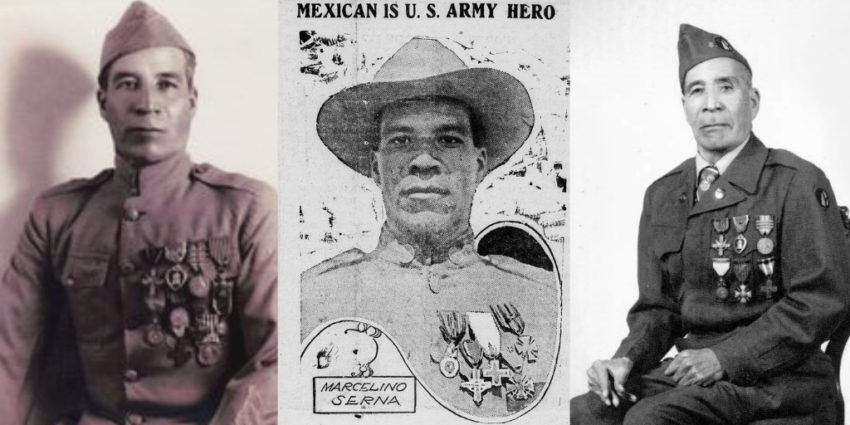
Marcelino Serna is remembered as Texas’ most-decorated World War I veteran. Serna was the first Latino man to be awarded the Distinguished Service Cross and was awarded more than 10 other awards for his bravery and service in the Battles of St. Mihiel and Meuse-Argonne. But he never received the most prestigious military award: The Medal of Honor. Latino advocates are petitioning the U.S. Army and federal government to posthumously award Serna the Medal of Honor, arguing that he was denied the award because he was a Mexican immigrant. “That Private Serna served during a time of extreme prejudice cannot and must not erase his acts of immense bravery and devotion to the United States,” wrote the Mexican American Legislative Caucus of Texas in a letter to the U.S. Army, ...

Read More