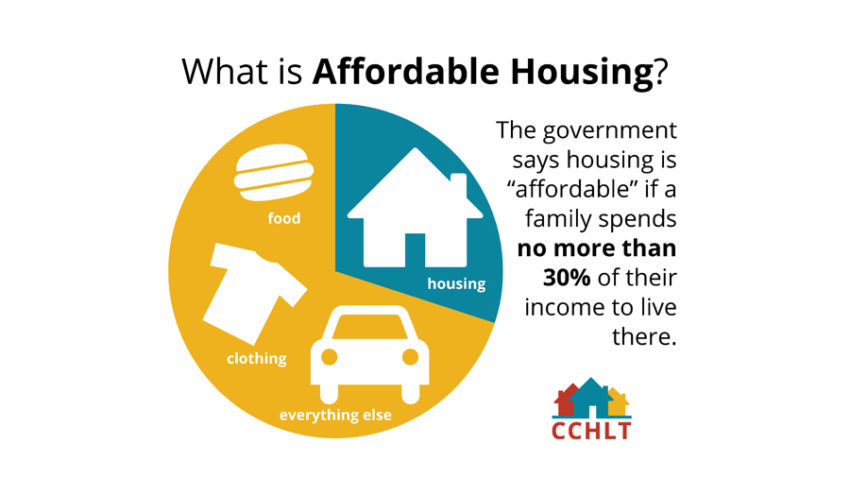
Demand for affordable housing is high, but supply is down in many U.S. cities. More than 11 million renters and 8 million homeowners spend more than half their income on housing; this results in extreme cost burdens and jeopardizes individual health, according to a Salud America! research review. “A lack of federal action and cash-strapped state and local budgets have contributed to the affordable housing crisis,” writes Teresa Wiltz for Pew Trusts. “Citizens are showing up at town halls and city council meetings demanding action.” Cities must find a way to boost affordable housing, but how can they make a difference? Here are six solutions to help improve affordable housing:
1. Create Affordable Housing Trusts.
Housing trust funds are established, ongoing, and ...
Latinos on the U.S.-Mexico border struggle with debilitating illnesses for years, but often lack proper healthcare because of socioeconomic, accessibility, or other inequalities. Dr. Amelie Ramirez grew up seeing these disparities in South Texas. She was driving to pursue a public health education and tirelessly toil to establish projects that assist the underprivileged. Perhaps Ramirez’s most innovative project, Salud America! has worked since 2007 to create a wide-reaching library of resources and actions, which greatly impact the personal and public health mindset of advocates, schools, and policymakers. Salud America! content is vital to advance the well-being of Latinos, Ramirez said. “The health inequities Latinos face was then, and continues to be, something to ...
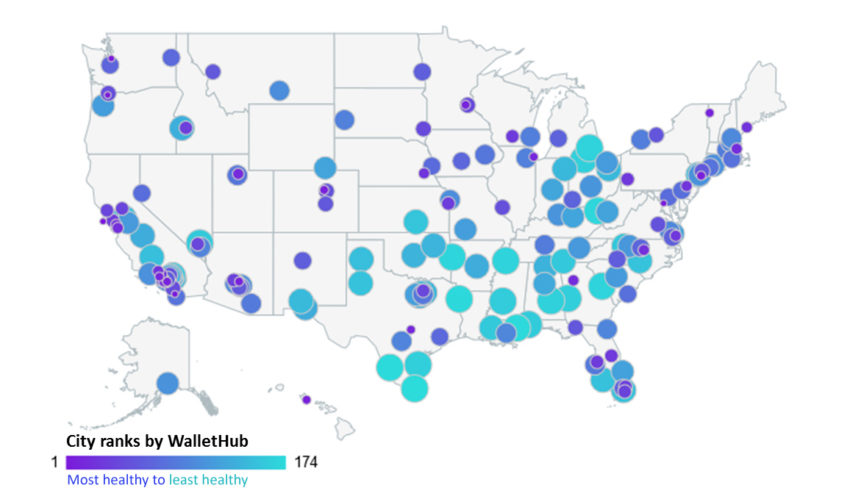
Two Texas cities—Laredo (95.4% Latino) and Brownsville (93.9% Latino)—rank as the least healthy U.S. cities, according to the 2019 Healthiest & Unhealthiest Cities in America by WalletHub. The ranking scores 174 large cities based on 42 health indicators. They look at cost of medical visits, and the number of dieticians and mental health counselors. They also factor in the amount of green space, trails, and healthy restaurants. Healthy food consumption and physical activity also has weight. "Some places promote wellness by expanding access to nutritious food and recreational facilities. Others strive to keep healthcare costs affordable for everyone or keep parks clean and well-maintained," according to WalletHub. "When a city doesn’t take care of these issues, it can ...
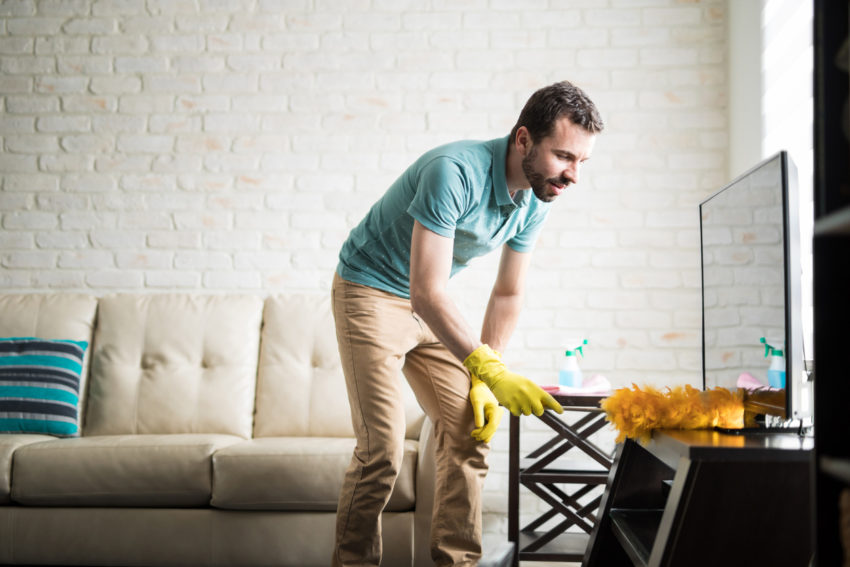
Dust buildup in the home can lead to allergy issues and asthma attacks — now researchers are saying it can also lead to weight gain in children. A new study links over 100 chemicals found in dust to fat cell generation and development, or endocrine disrupters. This kind of linkage is uncharted territory, said Christopher Kassotis, research team lead and post-doctoral research associate at Duke University's Nicholas School of the Environment, in a news release. "This is some of the first research investigating links between exposure to chemical mixtures present in the indoor environment and metabolic health of children living in those homes," Kassotis said. Latinos, who face chemical exposure at work and in the air they breathe, can also be subject to these adverse substances ...
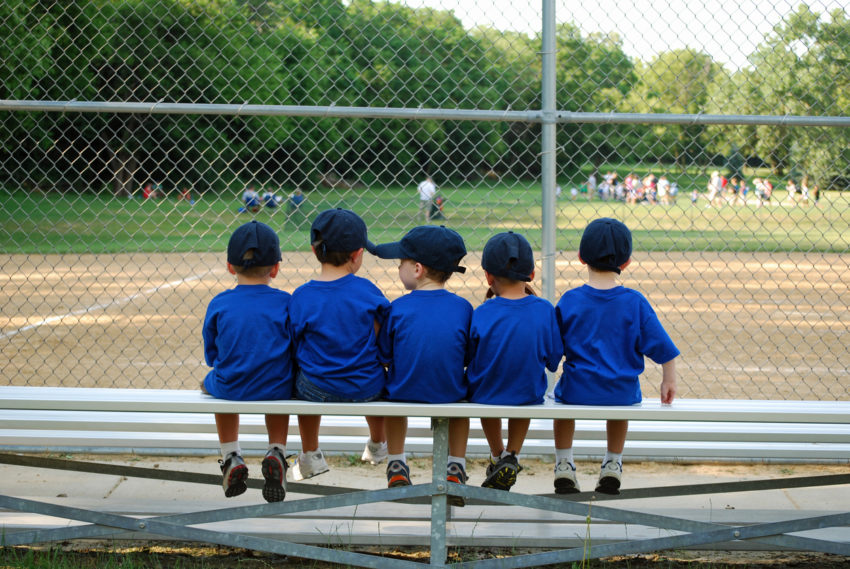
Nearly 21% of Latino parents said their middle- and high-school children would not participate in any school activities in 2018-19, a higher rate than parents overall (18%), according to the C.S. Mott Children’s Hospital National Poll on Children’s Health at the University of Michigan. These kids miss the boost in educational achievement and personal development that stem from school extracurricular activities, from sports to student council. So why aren't more kids participating?
The Biggest Reason: Cost
Most middle- and high-schoolers will participate in at least one school activity in 2018-19. This includes 52% in sports, 43% in arts, and 51% in clubs/other, according to the poll. But cost is the biggest reason keeping other kids from participating. Many school ...
Child toxic stress is bad for health. Strong, frequent, or prolonged toxic stress response in childhood can disrupt the development of brain architecture and other organ systems. Without responsive relationships with caring adults, children these children face developmental delays and health problems later in life. But many don’t understand of how childhood trauma impacts kids’ brains, bodies, and behavior. Let’s use #SaludTues on April 2, 2019, to tweet about toxic stress problems and solutions to celebrate National Stress Awareness Month in April. WHAT: #SaludTues Tweetchat: “How Child Toxic Stress is Bad for Health”
TIME/DATE: 1-2 p.m. EST Tuesday, April 2, 2019
WHERE: On Twitter with hashtag #SaludTues
HOST: @SaludAmerica
CO-HOSTS: Turnaround ...
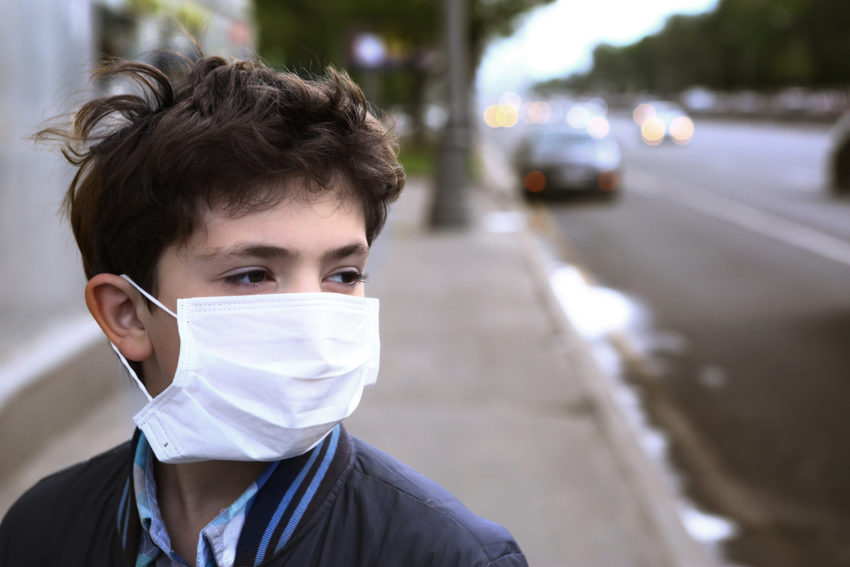
It is a proven fact that people of color inhale more hazardous pollution than whites. Worse, the consumption of products that cause unclean air is coming from the community least affected by this kind of pollution — whites, according to recent research. Latinos, the group most impacted, will breathe 63% more contaminated air than what their consumption produces. “Even though minorities are contributing less to the overall problem of air pollution, they are affected by it more,” Jason Hill, study co-author, University of Minnesota engineering professor, and who is also white, told USA Today. “Is it fair [that] I create more pollution, and somebody else is disproportionately affected by it?” Air quality detrimentally affects Latinos in childhood diabetes, lung ...
On Thursday, March 28, 2019, for the first time ever, Salud America! at UT Health San Antonio will join dozens of nonprofits in raising funds for the health and well being of kids and families in our community! This is the first time in Salud America! at UT Health San Antonio's 12-year history that we're partnering with local nonprofits for the #BigGive2019. What's the #BigGive 2019? The the #BigGive2019 is a 1-day online event expected to bring out thousands of partners in support of local initiatives that have a direct impact on people in San Antonio, Bexar County, and surrounding communities.
Why We're Excited to Join the #BigGive2019
This is our chance for us to showcase the healthy changes happening in San Antonio. Here are just a few examples of Salud America! Salud ...
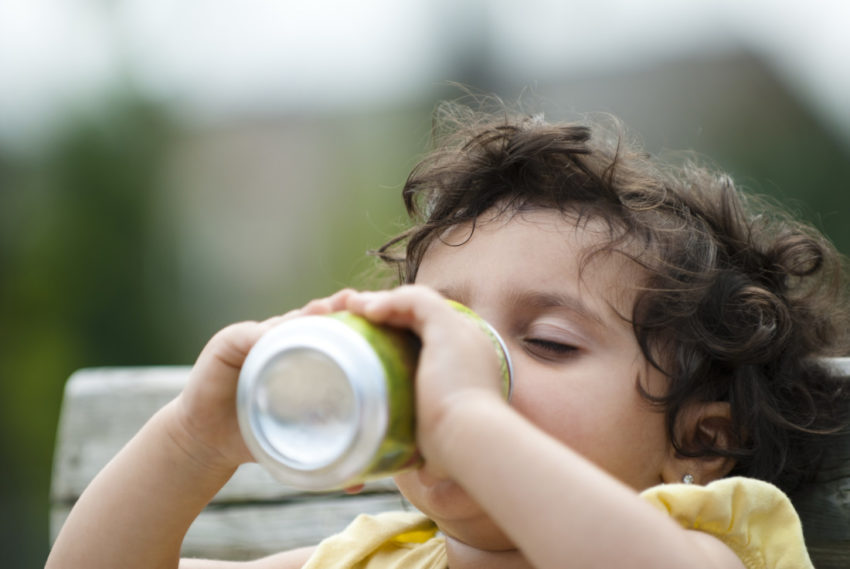
In a joint policy statement today, the American Academy of Pediatrics (AAP) and the American Heart Association (AHA) endorsed five public health measures—including excise taxes—to reduce kids’ consumption of sugary drinks. The statement appears in the April 2019 issue of Pediatrics. The Dietary Guidelines for Americans recommend that children and teens consume fewer than 10% of calories from added sugars. But data show that they now consume 17% of their calories from added sugars—half of which come from sports drinks, fruit-flavored drinks and sodas. Latino children consume more sugary drinks than their peers. "On average, children are consuming over 30 gallons of sugary drinks every year. This is enough to fill a bathtub, and it doesn’t even include added sugars ...