We at Salud America! want to share how to improve health for all people. That’s why we're excited to announce we have won four Communicator Awards for our efforts to promote awareness of and solutions to health issues! 2018 Communicator Award of Distinction, Websites, General Community Action for Websites, Salud America!
2018 Communicator Award of Distinction, Features, Copy or Writing for Websites, Salud America!
2018 Communicator Award of Distinction, Video, Education for Online Video, Salud America! Early Childhood Development Video
2018 Communicator Award of Distinction, Video, Education for Online Video, Salud America! Early Childhood Development Video Communicator Awards, presented by the Academy of Interactive and Visual Arts, honor international marketing and ...
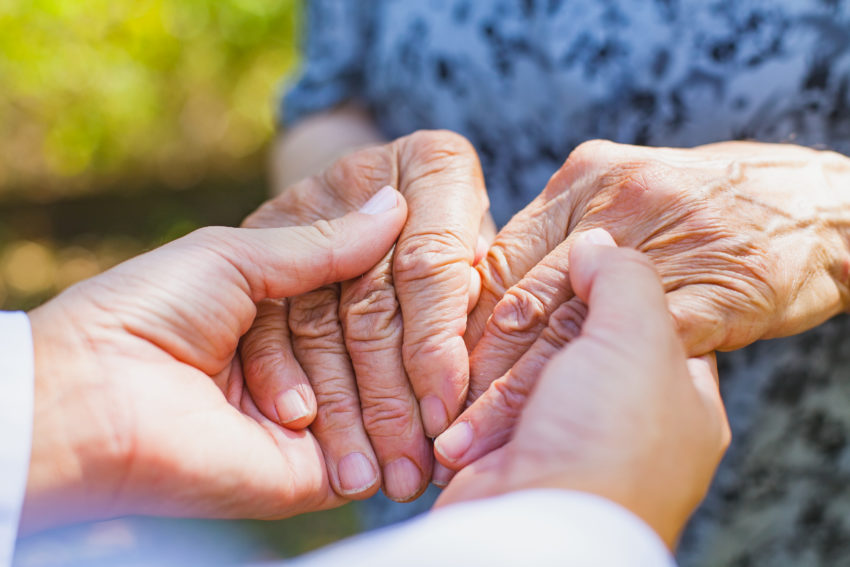
More than 5.7 million Americans live with Alzheimer’s disease, a number expected to rise to 14 million by 2050, according to a March 2018 report by the Alzheimer’s Association. There is one new Alzheimer’s case every 65 seconds. Sadly, U.S. Latinos are 1.5 times more likely to develop Alzheimer's disease than whites, studies show. Preventing Alzheimer’s is critical as the young Latino population ages. “The number of Hispanic elders with Alzheimer's and related dementias could increase more than six-fold, from fewer than 200,000 today to as many as 1.3 million by 2050,” according to the Alzheimer’s Association. Alzheimer’s Disease in Latinos In the U.S., two-thirds of Alzheimer’s patients are women. Latinas are at higher risk than ...
Harvard researchers found a small but significant increase in the weekly consumption of high-carbohydrate sports drinks among teens, especially Latino teens, the Chicago Tribune reports. Researchers compared data from two national surveys in 2010 and 2015. In 2015, more than 57% of the more than 22,000 high school students surveyed reported drinking at least one sports drink in the prior week. That's up from 56% in 2010, according to the Tribune. Latino and black youth drank more sports drinks than white youth, too. This is bad news, especially after historic declines in children's consumption of sugary drinks overall. "[Sports] drinks shown in advertisements being consumed by impossibly fit athletes and named for fruits like mango, kiwi, and blackberry are aggressively ...
After seven long years, the FDA’s rules for menu labeling have finally taken effect. This is big news for Latino families in particular. These families face less access to healthy food options and struggle with higher rates of obesity, diabetes, and certain diseases than non-Latinos, according to a Salud America! research review. Menu labeling can help Latino and all families make healthier eating choices through clear, easy-to-use nutrition information at the point of ordering. So how did we get here, and how will menu labeling affect families?
How’d We Get Menu Labeling?
The FDA first proposed menu labeling rules in 2011. After years of tweaking, menu labeling rules had to overcome one final hurdle in 2017. FDA sought public comments on a possible one-year-delay of ...
Shortly after he was born, Bruno Lara got a fever that was hard to control. After two months in the hospital, Bruno was diagnosed with Hemophagocytic Lymphohistiocytosis, a rare and life-threatening immunodeficiency. His hope for a cure lies in finding a blood stem cell donor. To help Bruno and other Latino patients urgently searching for a genetic match, Be The Match, a nonprofit that aims to save lives through marrow and cord blood transplantation, launched a new campaign, "My People. My Family. Mi Sangre." "The cure for blood cancer is a blood stem cell transplant from a genetically matched donor – a “DNA twin.” Latino patients have only a 46% chance of finding one," according to the Be The Match website. Finding a donor for Latino patients is hard because of complex ...
Latinos and blacks are less likely than whites to get the mental health services they need, and more likely to miss work as a result, according to a new study. The study, published by California-based Rand Corporation, found a relationship between untreated mental health problems and multiple absences from work. This has a big economic toll on Latino and black individuals and families, as multiple work absences usually mean lost pay or even lost jobs, reports California Healthline. The data shows that mental health problems caused 12% of blacks and 9.4% of Latino to miss four or more days of work a year, both higher rates than whites (7.9%). “This could have important repercussions for black [and Latino] Californians’ ability to earn income and stay employed in the face of ...
Latina and black women who are living in poverty face much higher risk of eviction than other racial groups, according to a new report. The new report, from Princeton University’s Eviction Lab, examined court records and found that 2.3 million people were evicted from their homes in 2016. That’s 6,300 people evicted each day. “[The data] demonstrate widespread housing insecurity in both urban and rural locales around the country,” wrote Catherine Lizette Gonzalez of Colorlines. Latinos and Risk of Eviction Other recent studies from the Eviction Lab and researcher Matthew Desmond have found that Black and Latino women with low-incomes were evicted at alarmingly higher rates than other racial groups due to factors such as having children, low wages ...
Tired. Unhappy. Unenergetic. Students were showing these emotions over the school day and into afterschool activities in Robstown ISD, a 97% Latino school district in this small gulf coast town in South Texas. Superintendent Maria Vidaurri wanted to find out why. Turns out, they were hungry. "Students needing to stay [after school for tutoring, sports, events] were tired, frustrated, and energy levels low," Vidaurri said. "The last time they ate was at lunch, which is usually at 10:15 a.m. to 12 p.m." Vidaurri wanted to give these students the energy they needed for the school day and after school. She also wanted to give support to local Latino families who often struggle to put food on the table. She also wanted to encourage school attendance, as two of every three ...
May is National Physical Activity month. It's also National Mental Health Month! Unfortunately, not all kids and families have access to safe places to play or services to promote healthy minds. While physical activity has numerous health benefits we often forget how important it is for promoting overall mental health and wellbeing. Some studies even show that having access to green space and physical activity programming can reduce stress levels, promote mental health and increase community resilience. Schools, workplaces, and communities all over can and should take action by promoting movement throughout the day this month and every day. On May 22, 2018 let’s use #SaludTues to chat about ways to boost physical activity and promote healthy minds in Latino ...