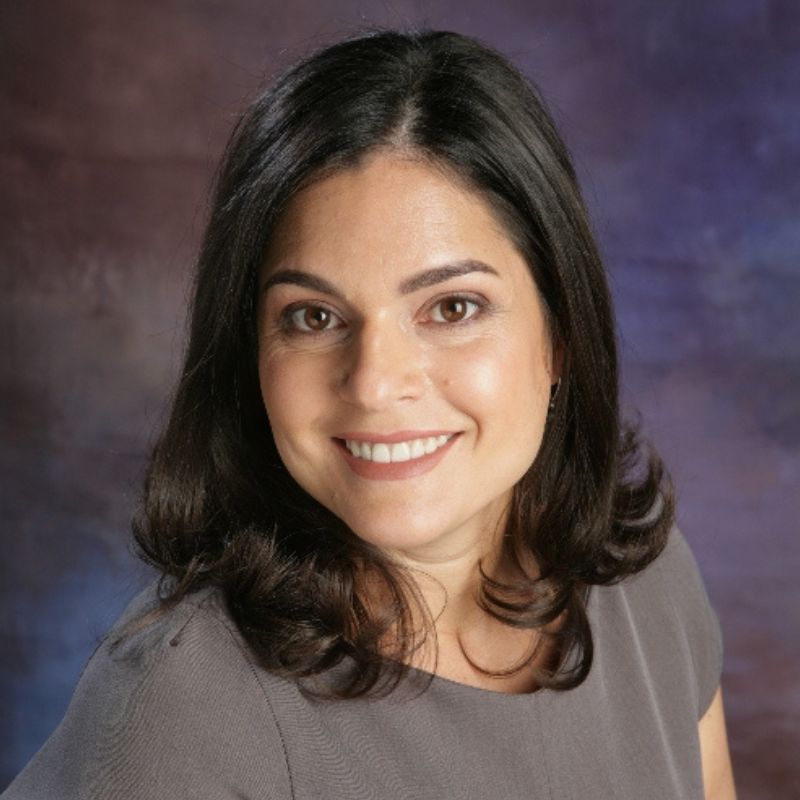
As a child in Arecibo, Puerto Rico, Dr. Eneida Nemecek learned the effort it takes to earn an education by literally going to college with her parents as they sought their degrees. “My parents are very young. I kind of went to college with both of them in the back of the classroom,” Nemecek said. “My dad ended up going to graduate school, also when I was still a little kid. We went to law school with him, too.” Nemecek followed her parents’ footsteps and eventually got her doctoral degree. Today she’s helping improve Latino health through clinical trial participation as associate director for clinical research at the Oregon Health & Science University (OHSU) Knight Cancer Institute and professor of pediatrics and medical oncology at OHSU.
Developing a Passion for ...
As temperatures increase to scorching new benchmarks every year, weather experts advise people to avoid prolonged exposure to extreme heat, which can have disastrous health consequences, from heat stroke to death. But not everyone can escape the heat’s harmful effects. Heat can create hazardous working conditions for workers in labor-heavy outdoor industries, such as construction, maritime, and agriculture, which employs many Latinos. To protect outdoor workers from extreme heat, the Department of Labor and the Occupational Safety and Health Administration (OSHA) are proposing a new rule to require employers to implement a heat emergency response and planning procedure, which includes providing water, shaded areas, and rest breaks. “Workers all over the country ...
Hispanic Heritage Month is here! This annual U.S. observance, from Sept. 15 to Oct. 15, celebrates the histories, cultures, and contributions of Americans whose ancestors came from Spain, Mexico, the Caribbean and Central and South America. We at Salud America! invite you to celebrate Hispanic Heritage Month in these surprising ways.
1. Learn How Hispanic Heritage Month Began
U.S. Congressmen Edward R. Roybal of Los Angeles and Henry B. Gonzales were among those who introduced legislation on the topic in 1968. President Lyndon Johnson implemented the observance as Hispanic Heritage Week that year. U.S. Rep. Esteban E. Torres of Pico Rivera proposed the observance be expanded to cover its current 30-day period. President Ronald Reagan implemented the expansion to ...
Overuse of drugs, like marijuana, can heighten one’s risk for certain diseases, especially among vulnerable populations such as Latinos. The Department of Health and Human Services (HHS) recently released its annual report on the state of mental health and substance use in the US. Based on results from the 2023 National Survey on Drug Use and Health, Key Substance Use and Mental Health Indicators in the United States covers mental health and substance use, including tobacco, alcohol, illicit drugs, and more. In part three of our series, we’re going to explore the report and find out how the use of marijuana impacts Latinos.
Marijuana Use among Latinos
Marijuana can be consumed in many forms. These include smoking, vaping, dabbing waxes, shatter, or ...
Ahead of the 2024 Advancing the Science of Cancer in Latinos Conference, 15 Latina women from across the country came together, unified by a common thread — to become a research patient leader.
This gathering, on Feb. 20, 2024, marked the first in-person meeting of the Latino Cancer Patient Advocate Training Program, a new initiative to teach cancer survivors to become research patient health leaders, who help others navigate the healthcare system and raise the Latino voice in research.
Patient health leaders are critical to the goal of reducing Latino cancer disparities, said Dr. Barbara Segarra-Vázquez of the University of Puerto Rico, co-leader of the new program.
“You really have to have passion to become a patient advocate,” said Segarra-Vazquez. “It’s that desire to ...
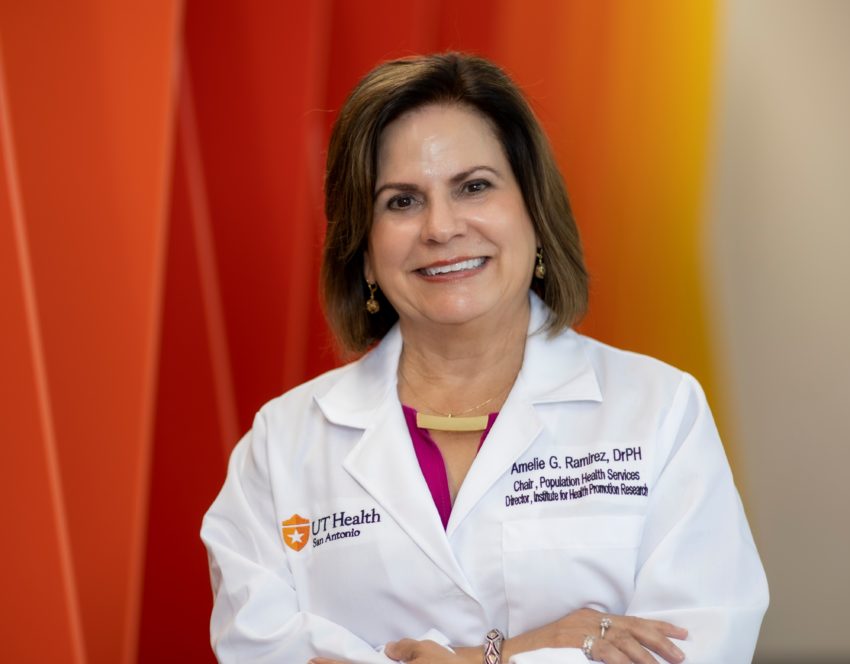
A team of researchers at UT Health San Antonio, including Dr. Amelie G. Ramirez, is among four teams from across the United States that have been selected to launch community engagement centers on heart health thanks to a generous contribution from the American Heart Association and the Robert Wood Johnson Foundation. A total gift of $20 million from the American Heart Association and Robert Wood Johnson Foundation will support the four teams of scientists and community leaders to engage the community in research to improve health. Led by UT Health San Antonio’s Vasan Ramachandran, MD, FACC, FAHA, and Amelie G. Ramirez, DrPH, MPH, the COmmuNity eNgagEment for building Capacity, Trust, and Ownership of Research (CONNECTOR) is the name of the community engagement resource center and ...
Overuse of alcohol is among the top risk factors for chronic diseases, especially among vulnerable populations such as Latinos. The Department of Health and Human Services (HHS) recently released its annual report on the state of mental health and substance use in the US. Based on results from the 2023 National Survey on Drug Use and Health, Key Substance Use and Mental Health Indicators in the United States covers mental health and substance use, including tobacco, alcohol, illicit drugs, and more. In part two of our series, we’re going to explore the report and find out how consumption of alcohol impacts Latinos and all people.
Alcohol Use among Latinos
Alcohol consumption and overuse is still a pervasive problem with a reported 134.7 million alcohol users aged ...
Are the corn masa products you eat fortified with folic acid? Because too many babies in the Latino community suffer from birth defects like spina bifida, UnidosUS and its partners submitted a citizen petition asking the FDA to require a warning label on unfortified corn masa flour and products. The warning would alert consumers when corn masa flour, tortilla chips, tamales, or other corn masa products do not contain adequate folic acid. A lack of folic acid can increase the risk of a serious birth defect if a woman becomes pregnant. “A warning label is a simple way to tell consumers of the risks posed by products that lack adequate levels of added folic acid — and to push food companies to fortify foods to protect people,” according to UnidosUS. Here’s how you can ...
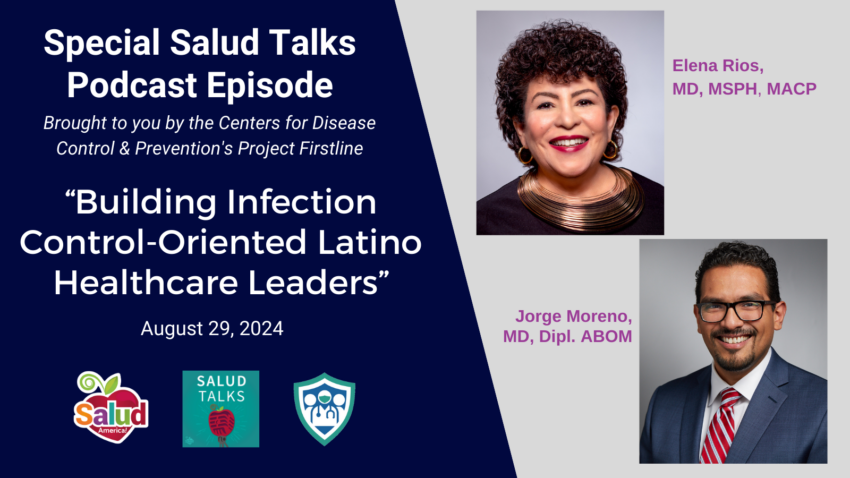
The COVID-19 pandemic highlighted the need for healthcare workers to have easy-to-use, informative, bilingual tools on infection control practices in the healthcare setting. With this in mind, the U.S. Centers for Disease Control and Prevention (CDC) launched Project Firstline, a training and education collaborative designed to ensure all healthcare workers, no matter their role or educational background, have the infection control knowledge and understanding they need and deserve to protect themselves, patients, and coworkers. As part of Project Firstline, Salud America! at UT Health San Antonio and the National Hispanic Medical Association (NHMA) is bringing you a Salud Talks Podcast series, “Behind the Mask,” to explore infection control in healthcare. In this special ...