Breast cancer is a top killer. But survival is possible. In 2004, a group of 26 cancer survivors from South Texas shared their stories to inspire hope, comfort, and resiliency in a bilingual booklet called Nuestras Historias: Mujeres Hispanas Sobreviviendo el Cáncer del Seno (Our Stories: Women Surviving Breast Cancer). 2014 marked the booklet’s 10th anniversary. Today, 16 of the remaining survivors have new, courageous stories to tell about the importance of cancer screening and that women can not only survive cancer, but thrive in the workplace, school, home, and family. Read their ...
RJ Manchester and Erica Asti, staffers at the Florida Hospital for Children, along with Dr. Angela Fals and her team, spent years working with obese children and families in their Central Florida CCFW clinic. The local childhood overweight and obesity rates ranged from 32% in Orange County (28.7% Latino population) to 64% in Osceola County (48.6% Latino). The team was growing increasingly concerned about younger and younger patients with obesity-related health complications. “We were having some of the youngest patients we’ve ever had in the weight and wellness clinic with pre-diabetes and diabetes,” Asti said. They wanted to step up in a big way.
An Underlying Issue: No P.E. Asti and Manchester and the CCFW team discovered that many parents misidentified their ...
The National Institute of Arthritis and Musculoskeletal and Skin Disease (NIAMS) has launched a new Spanish-language website that provides free health information on conditions of the bones, joints, muscles, and skin. “Many diseases in our scientific portfolio, including lupus, arthritis, and osteoporosis have profoundly negative effects,” said NIAMS Director Dr. Stephen Katz. “We are committed to providing quality health information to all people, no matter what language they speak [or their background].” The new site features easy-to-use navigation tools to help Spanish-speaking individuals identify and locate NIAMS health topics. Some of the features offered include improved access to NIAMS Spanish-language federal information and resources, information on ...
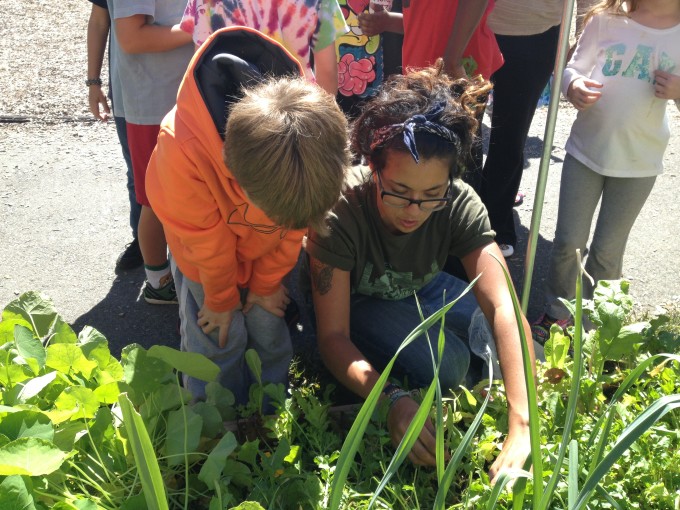
How does math calculate with gardening? Giving students a hands-on approach to calculation, social studies, science and more, schools like Hannah Elementary School in Beverly, Massachusetts (17% Latinos in MA) are opening their doors to a garden classroom education. Students are able to conceptualize life cycles of bugs and anatomies of seeds. School gardens become places of inspiration for creative writing or art. Green City Growers, City Sprouts, and Berkeley's Edible Schoolyard project are all about gardens being interactive classrooms where students learn to grow their minds and their knowledge of healthy foods like fruits and vegetables. Learning about healthy foods and incorporating these foods into kids' diets and classrooms are important in areas where healthy food ...
Schools are part of a community. Schools also make a huge influence in a child’s health. How can schools help build health within their communities? Let’s use #SaludTues to tweet information, resources, and tips that help schools, teachers, families and students take charge of health in their communities. WHAT: #SaludTues Tweetchat: “Building Healthier Communities Through Schools”
DATE: Tuesday, September 22, 2015
TIME: 1-2 p.m. ET (Noon-1 p.m. CT)
WHERE: On Twitter with hashtag #SaludTues
HOST: @SaludAmerica
CO-HOSTS: It’s Time Texas (@ITSTIME), Shape America (@Shape_America), Healthy Kids Today (@HealthyKids2Day) and our special guest, Transformative Schools Network (@Cr8HlthySchools) Be sure to use the hashtag #SaludTues to follow the ...
Many students don’t meet daily recommendations of physical activity. They often lack access to quality activity opportunities during school and they are burdened by challenges for quality activity opportunities after school, such as safety, availability and cost. Kids that don’t meet daily recommendations of physical activity are at increased risk for obesity and other adverse health outcomes. Jennifer Hershey and Jennifer McCloughan, two PE teachers in Edmonds School District in Washington, developed a before/after school program as well as a recess program to help kids reach 60 minutes of recommended daily activity on most days of the week. They developed these programs to be implemented in schools to reduce challenges associated with safety, availability, and cost.
PE ...
Now you can be more connected with health issues with a new bilingual live show produced by Salud America!. #SaludbySandra & #SaludconSandra will air every Tuesday at 11 a.m. ET on Periscope and Twitter. The show is hosted by Professor Sandra San Miguel, Research Instructor at the Institute for Health Promotion Research at UT Health San Antonio. Here’s the schedule of the topics we will cover in the next three weeks: 09/15/2015- National Childhood Obesity Awareness Month
09/22/2015- Oral Health Habits
09/29/2015- Family Health & Fitness You can catch the show live on Periscope and ...
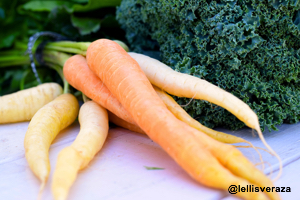
Getting kids to eat vegetables isn't always an easy job, especially when some families are more likely to live in neighborhoods that have little to no access to local grocery stores. However, a recent research study in the Journal of the Academy of Nutrition and Dietetics suggests that Latino kids who consume more vegetables in their diets, are healthier overall, even if they are overweight. The study reveals that kids who are eating vegetables, like spinach, broccoli or carrots, even for just a fraction of their diet, can reduce bad fats in the body. The study focused on a group of overweight Latino children, monitored by a researchers from The Keck School of Medicine, and the University of Texas at Austin (UT Austin). They found that children who consume one or two fist-size ...
There are numerous mental and physical benefits to walking. However, many Americans live in nonwalkable communities and face challenges to this most basic form of physical activity. Although walking is an individual behavior, walking can be made easier by improvements to community walkability and by programs and policies that provide opportunities and encouragement for walking. In fact, this is exactly what the Surgeon General is calling for in the Call to Action to Promote Walking and Walkable Communities. Multiple sectors of society can contribute to walkability, including transportation, land use, and community design; parks, recreation, and fitness; education; business and industry; volunteer and nonprofit organizations; health care; media; and public health. Check ...