Al rededor del 26 por ciento de los latinos y el 24 por ciento de afro-americanos viven en “pobreza extrema,” el cual significa que tienen dificultades en poder pagar por necesidades básicas, aun así con ayuda de programas gubernamentales, de acuerdo a un nuevo estudio. El reporte del US Department of Health and Human Services , HHS por sus siglas en inglés, define pobreza extrema al nivel de la mitad del nivel de pobreza federal—menos de $6,000 para un adulto o $7,600 para un adulto con dependientes. Según el reporte: Una familia en pobreza extrema gasta $3,000-$6,000 más en necesidades que sus ingresos permiten.
Individuos en pobreza extrema tienden a estar menos saludables que aquellos con ingresos mayores por lo cual requieren de mayor atención ...
Did you know Parkinson’s disease affects many people? Let’s break the ice and talk about the disease and its misconceptions and how we can bring more awareness to the community. Join the discussion this coming Tuesday August 04 at 1 p.m. ET along with the Michael J. Fox Foundation and Parkinson’s Action Network. WHAT: #SaludTues Tweetchat: “Parkinson's Disease: How to Raise Awareness."
DATE: Tuesday, August 04, 2015
TIME: 1-2 p.m. ET (Noon-1 p.m. CT)
WHERE: On Twitter with hashtag #SaludTues
HOST: @SaludAmerica
CO-HOSTS: Michael J. Fox Foundation (@MichaleJFoxOrg), Parkinson's Action Network (@PANtweets) Be sure to use the hashtag #SaludTues to follow the conversation on Twitter/X and share your stories and resources. #SaludTues is a Tweetchat on ...
Regular physical activity is a vital component of every child’s life, yet many children lack access to safe spaces to be physically active. Opening existing school facilities will reduce challenges and support the addition of physical activity options locally. Join #SaludTues on July 28, 2015 to tweet about how community members and schools can increase access to safe spaces for children to be physically active outside of regular school hours by using existing school resources. WHAT: #SaludTues Tweetchat: “How to Open Outdoor School Facilities in Neighborhoods”
DATE: Tuesday, July 28, 2015
TIME: 1-2 p.m. ET (Noon-1 p.m. CT)
WHERE: On Twitter with hashtag #SaludTues
HOST: @SaludAmerica
CO-HOSTS: @SafeRoutesPNW, @ChangeLabWorks, @HealthierGen, and ...
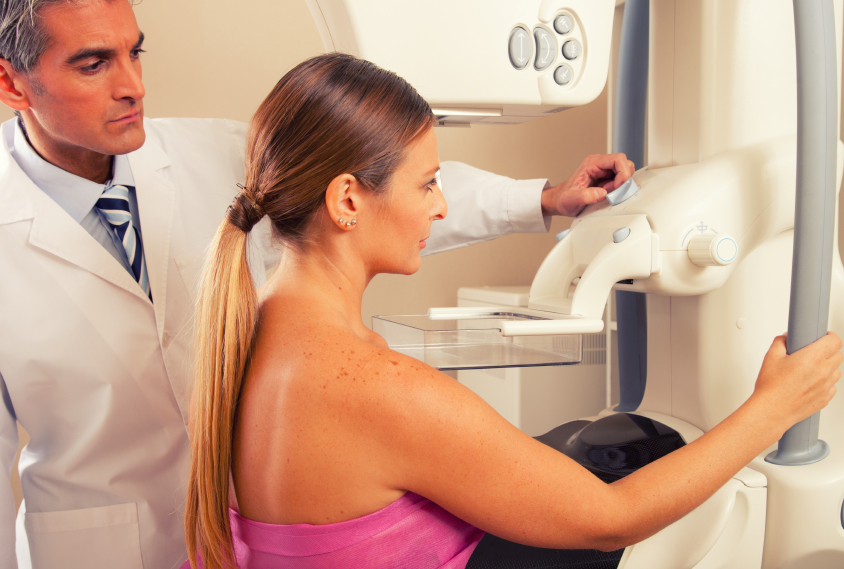
Un panel internacional de expertos en cáncer de seno ha acordado que las mamografías son más efectivas en mujeres en sus 50 y 60 años, reporta Fox Health. De acuerdo a estadísticas por la fundación Susan G. Komen, el 64% de mujeres hispanas han tenido una mamografia en los últimos dos años, pero aun así el cáncer de seno continua siendo la principal causa de muerte entre latinas. Por años expertos, han recomendado que mujeres mayores de 40 años se realizen un mamograma anual, sin embargo hay poca evidencia de que estos sean efectivos en detectar el cáncer de seno en mujeres menores de 50 años, aunque pocos miembros del panel no están convencidos de que esto aplique a mujeres entre 45-49 años. “La sociedad de cáncer pronto actualizara nuestras guías,” ...
La administración de alimentos y medicinas (FDA, por sus siglas en inglés) recientemente aprobó un dispositivo que estimula el cerebro para personas que sufren de Parkinson, el cual afecta desproporcionalmente a los latinos. El dispositivo Brio Neurostimulation system, “es un dispositivo implantadle que ayuda a reducir los síntomas del mal de Parkinson, el cual causa temblor en diferentes partes del cuerpo,” dijo la FDA en un comunicado de prensa. El Brio System fue aprobado por la FDA después de dos pruebas clínicas, una con 127 pacientes quienes usaron el dispositivo por seis meses, y la otra con 136 pacientes quienes los usaron por tres meses. “Ambos grupos demostraron cambios significativos al momento que el aparato fue encendido de cuando fue apagado,” dijo ...
Doctores en Texas han rediseñado antiguo procedimiento para el tratamiento de cáncer ovárico, combinando cirugía con quimioterapia con muy buenos resultados. La rediseñada estrategia que incluye “asignar una calificación a la severidad del cáncer para guiar el tratamiento, “ ha demostrado ser muy eficaz y doctores han logrado remover el 86 por ciento de la enfermedad en pacientes tratados durante los dos últimos años, reporta the Wall Street Journal. Sin embargo, doctores aún no han demostrado que esta rediseñada estrategia pueda extender la vida de pacientes afectadas, pero si están seguros de que tendrá un impacto positivo. “La idea era tomar información que es ya conocida y ponerla en práctica para poder tener un impacto rápido y eficaz en la salud del ...
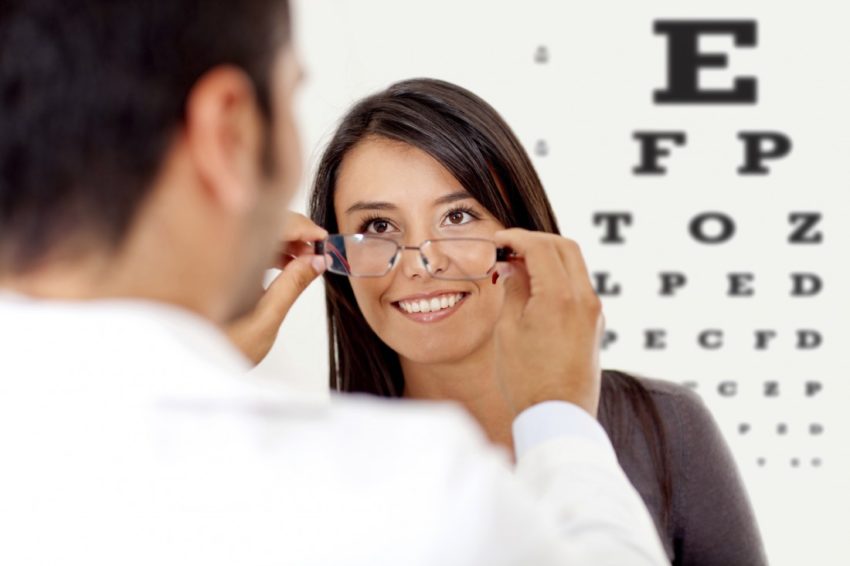
Many people struggle with their eye health. They have a high risk of glaucoma, diabetic eye disease, and blindness. Let’s use #SaludTues on March 24, 2015, to tweet information and resources you need to help prevent, reduce their risk, or manage eye health problems: WHAT: #SaludTues Tweetchat: "Why You Should Keep an Eye on Vision Health"
DATE: Tuesday, March 24, 2015
TIME: 1-2 p.m. ET (Noon-1 p.m. CT)
WHERE: On Twitter with hashtag #SaludTues
HOST: @SaludAmerica
CO-HOSTS: National Eye Health Education Program, Bascom Palmer Eye Center at the University of Miami (@BascomPalmerEye) Be sure to use the hashtag #SaludTues to follow the conversation on Twitter/X and share your stories and resources. #SaludTues is a Tweetchat on Twitter/X that focuses on a ...
Some people struggle with high rates of obesity, certain cancers and other diseases. This is often due to a lack of access to health coverage. With open enrollment set to close in just days for health care coverage, let’s use #SaludTues on Feb. 10, 2015, to chat on Twitter about strategies and resources on how to increase health coverage and access to care: WHAT: #SaludTues Tweetchat: “Why Should You #GetCovered Today?”
DATE: Tuesday, Feb. 10, 2015
TIME: 1-2 p.m. ET (Noon-1 p.m. CT)
WHERE: On Twitter with hashtag #SaludTues
HOST: @SaludAmerica
CO-HOSTS: The Robert Wood Johnson Foundation (@RWJF_Live), Elianne Ramos, and VotoLatino (@VotoLatino)
SPECIAL GUESTS: @HolaDoctor, @GetCoveredUS Be sure to use the hashtag #SaludTues to follow the conversation ...
Did you know we need more blood donors? For January's National Blood Donor Month, it’s time to get the facts about blood donors and learn how you can be a hero for someone in need, especially during winter, a typically down time for donations due to holidays, bad weather, and illness. Join us to get the truth about donating blood at the next #SaludTues Tweetchat. WHAT: #SaludTues Tweetchat: “Blood Donors: Get the Facts”
DATE: Tuesday, Jan. 13, 2015
TIME: Noon CST (1:00 PM ET)
WHERE: On Twitter with hashtag #SaludTues
CO-HOSTS: @SaludAmerica, @my1blood, @El_DoctorUriel Be sure to use the hashtag #SaludTues to follow the conversation on Twitter/X and share your stories and resources. #SaludTues is a Tweetchat on Twitter/X that focuses on a variety of ...