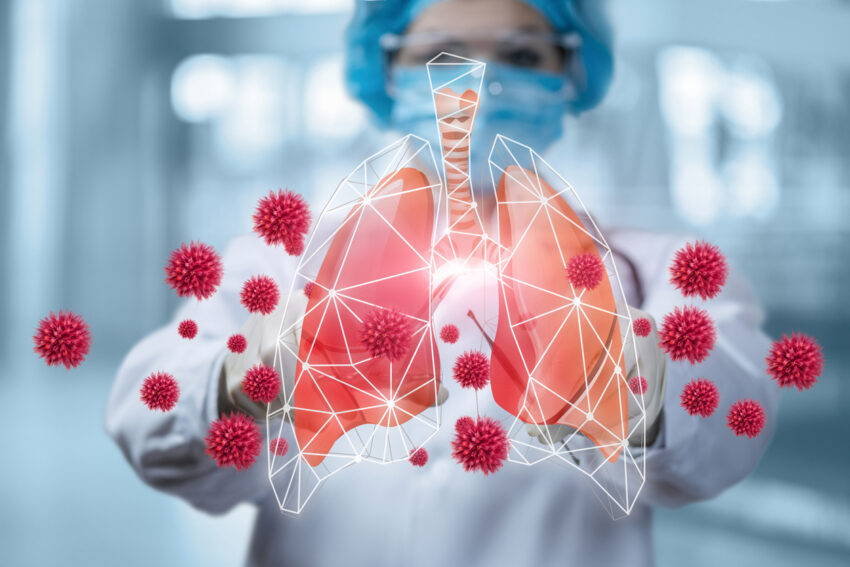
It’s easy to take breathing for granted. But we should know exactly what the respiratory system is and how it can play a role in germs spreading in healthcare. This part of the body can be separated into two parts: the upper airway, including the mouth, nose, throat, and windpipe, and the lower airway, including the lungs.
Germs in The Upper and Lower Airways
Many germs live in the upper airway. Like with the skin and the digestive system, most of the germs that are commonly found in the nose, mouth, throat, and windpipe keep those parts of the body healthy. But sometimes those germs can cause harm when they get into the lungs. This can happen when they’re breathed in and get past the lungs’ natural defenses, or because something we do in healthcare, like ...
Infection control keeps germs from spreading and making people sick. Infection control actions are based on recognizing the risks for germs to spread. But what is that risk? We know that germs are found in certain places, and need a way, or a pathway, to spread to other places and people. They also need the opportunity to spread. That’s where “risk” is, and where you can keep germs from spreading with infection control actions.
Identifying Risk
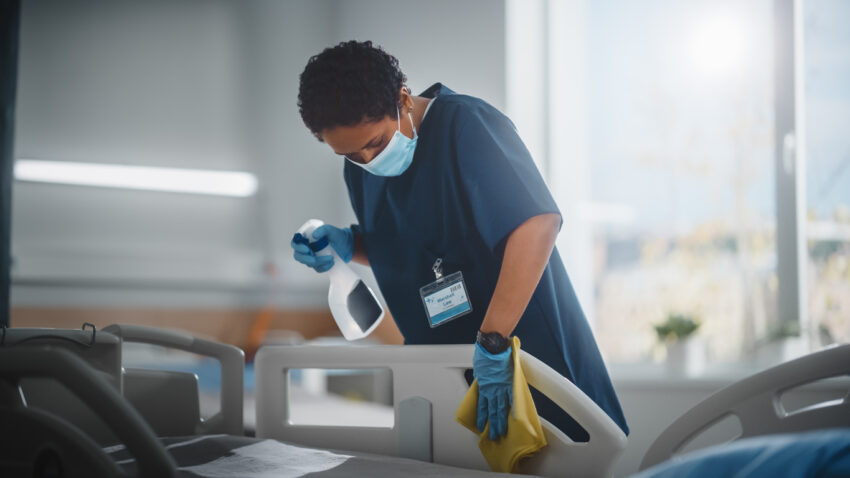
You, your patients, and the environment can be pathways for germs to spread. Understanding how germs spread and where they live and thrive can help you understand “Standard Precautions,” which are infection control actions you perform every day for all patients to keep germs from spreading. For example, an important part ...
Many germs, especially bacteria, normally live and grow on healthy skin and usually do not cause harm. In fact, our skin is a reservoir for germs – a place where germs live and thrive. However, some germs on your skin, such as certain types of Strep and Staph bacteria, can cause bad infections if they enter the body. Because germs are everywhere, it’s important to understand the ways that germs can spread from our skin and cause infections.
Germs Spread Through Touch
Your skin interacts with the environment around you every day, mostly through your hands, because we use them so much. Germs on your skin, especially on your hands, can spread to surfaces and patients through touch. In the same way, you can pick up germs from contaminated surfaces and patients and spread ...
When you practice infection control consistently and confidently, it can help stop the spread of disease in healthcare settings and save lives. This is why you and all frontline healthcare providers can publicly pledge to take training through the Centers for Disease Control & Prevention’s Project Firstline program. Project Firstline is a training and education collaborative that provides all healthcare workers, no matter their role or educational background, with access to the infection control information they need to protect themselves, their patients, and their coworkers from infectious disease threats. Project Firstline offers training and educational resources on various infection control topics, including risk recognition and infection control basics related to ...
Two reservoirs where germs can live and thrive in the human body are your blood and gastrointestinal (GI) system. When germs spread from these reservoirs in or outside your body, it can cause harm and make you or others sick.
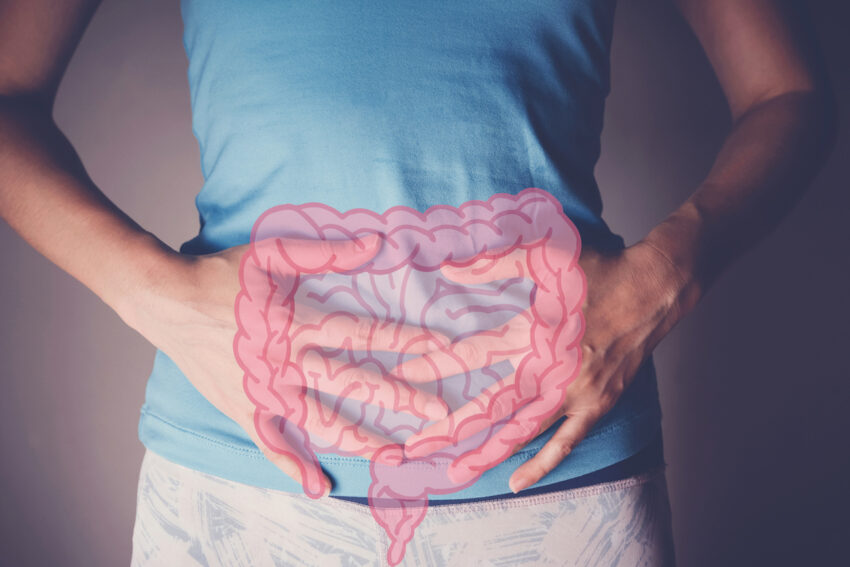
What is the Gastrointestinal System?
The gastrointestinal system or “the gut” usually refers to the lower intestine, rectum, and anus. It is part of the digestive system. The upper GI tract, which includes the mouth, esophagus, and stomach, is also part of the digestive system. It has different types of bacteria and fungi that we usually think about separately from the gut. The intestines are filled with bacteria and some yeasts that are an important part of a healthy immune system. Most gut bacteria don’t cause problems in healthy people, but ...
Did you know that germs are everywhere? The world is covered in germs! Everything has germs – every surface, material, and object, including your body. You read that right – your body is covered in germs, including viruses, bacteria, and some funguses. However, we’re often not aware of the germs around us and on our bodies because they’re too small to see and don’t usually cause harm to healthy people. In fact, many of those germs are good for us – they protect us and can keep other germs that could harm us from growing.
Reservoirs: A Natural Habitat for Germs
Whether germs are healthy or harmful to us, it’s important to know where they live and thrive – places called “reservoirs.” There are many reservoirs in the human body, such as our skin; ...
15-year-old Anna Valdez fidgeted in her chair as her eyes scanned the stethoscope, cotton balls, and other medical supplies on the far wall of the exam room. Anna had traveled by bus to the hospital by herself, hoping to get some medical attention. But the uninsured California teenager did not receive the initial response she was anticipating from the resident physician. After a discussion with the nurse though, he was more responsive to her concerns and began outlining Anna’s course of treatment. “In that moment, I thought, ‘Wow, that is really impactful.’ I experienced a lot of [issues] because I was poor, so I was really impressed that a nurse could have that kind of impact.” At 16 years old, Anna found out she was pregnant. She dropped out of high school; ...
Wanda Montalvo sat at her desk working on paperwork, she could hear nurses and physicians bustling about in the lobby. It was the 1980s, and Wanda was proud to be the secretary for the medical director’s office at the local community health center in Brooklyn, New York. Wanda saw her position as “paying it forward,” as she depended on community health centers growing up in a low-income and underinsured Latino household. However, she couldn’t help but wonder if there was something more she could do to give back to her community. After earning her Bachelor of Nursing degree, the first-generation college student went on to earn her master’s degree in nursing from Long Island University and her PhD in nursing science and health policy from Columbia University in New ...
Thirteen-year-old Ricardo Correa sat in the pediatric endocrinologist’s office alongside his mother, listening with fascination and soaking up information like a sponge. When the appointment ended, he returned to his home in Panama and spent the next few years learning more about his own health and taking every opportunity to help others who were sick or hurt. By age 18, Ricardo knew he wanted to become a doctor who could stop the spread of infectious diseases and help prevent chronic diseases. “When I was a kid, my mother always said that I could do two things in my life,” Ricardo Correa, MD, EdD, said. “One was being a singer and another being a doctor. Of course, the singer part never worked out – I was not privileged to have a voice. But the doctor part always was ...