More than 2 million people in the United States are expected to be diagnosed with cancer this year. No two among them will experience cancer exactly the same way. Even so, certain groups of people will share similar cancer experiences. Latinos face higher rates of cervical, liver, and stomach cancers. Black women with ovarian cancer don’t live as long as White women with the disease. People living in rural areas are less likely to get regular cancer screenings than those who live in cities. And people who live in areas where poverty has been the norm for decades are more likely to die of cancer than those living in more affluent areas. These patterns of worse outcomes among specific groups of people are called cancer differences. Although biological differences can contribute to ...
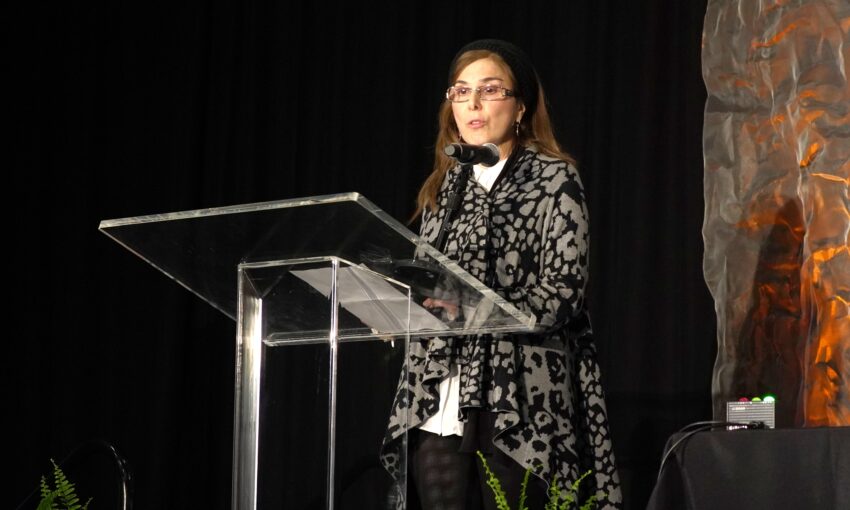
Good health is important for everyone. With this in mind, the National Institutes of Health (NIH) is seeking public comments on its 2026-2030 NIMHD Strategic Plan “to identify the most pressing concerns” for health in the next five years. You can endorse a model comment by Dr. Amelie G. Ramirez, leader of Salud America! at UT Health San Antonio, to emphasize priorities in the plan. Endorse the comment by 11:59 p.m. Tuesday, Dec. 31, 2024. January 2025 Update: 136 people endorsed a model comment by Dr. Amelie Ramirez to emphasize priorities in the 2026-2030 NIMHD Strategic Plan. endorse the comment!
Endorse a Comment on the NIMHD Strategic Plan
Go here to endorse this comment: As the leader of Salud America!, an organization that promotes health improvement for all ...
The US is experiencing a maternity healthcare crisis where pre-term labors and infant and maternal mortality rates are up due to a lack of access to prenatal and postpartum care. Many of these women live in areas designated as maternity care deserts. These are areas where pregnant individuals and mothers have limited or nonexistent access to vital prenatal and postpartum health care. Maternal care deserts exist in 35% of US counties — encompassing 2.3 million reproductive aged women, according to the March of Dimes’ annual report, Nowhere to Go: Maternity Care Deserts in the US. According to the report, living in these areas greatly increases their risk for infant and maternal mortality, pre-term labor, and untreated conditions that could harm the lives of the mother or ...
Dr. Patricia Chalela, a researcher at the Institute for Health Promotion Research (IHPR) at UT Health San Antonio, has been named the IBC Foundation Endowed Professorship in Health Promotion Research. The International Bancshares Corporation (IBC) Foundation is a private foundation affiliated with IBC and its subsidiary banks. It is dedicated to supporting charities that enrich the community and improve the health and wellness of people in Texas and Oklahoma. The foundation made a $2 million donation that established four endowed professorships at UT Health San Antonio. Dr. Chalela's endowment, which is for $500,000, aims to help her advance novel research in health promotion. "I am deeply honored and sincerely grateful to be nominated as the recipient of the IBC Foundation ...
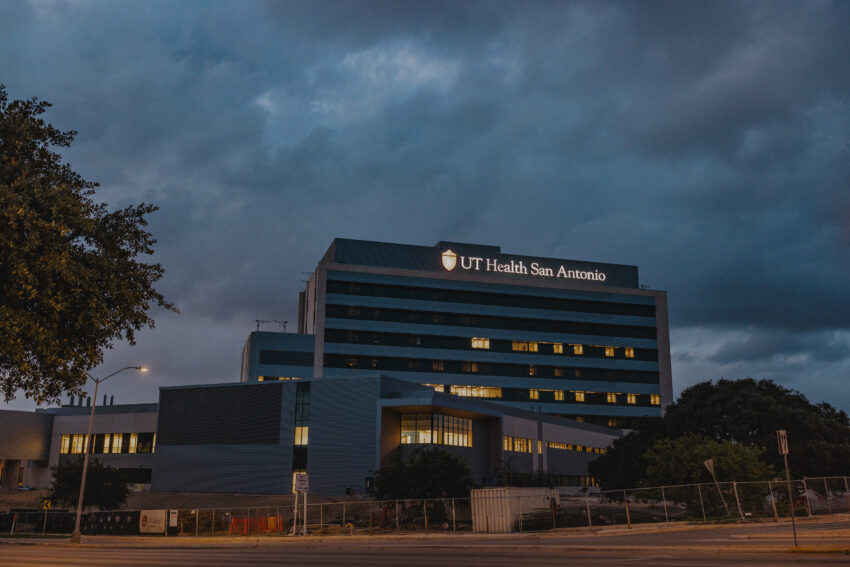
After years of anticipation, the brand-new UT Health San Antonio hospital is set to open its doors to the public on Dec. 10, 2024. The UT Health San Antonio Multispecialty and Research Hospital is the first of its kind. Serving patients in South Texas, the hospital aims to be a hub for innovative therapies and treatments for cancer and other diseases while granting visitors access to experts in their fields of study. Let’s break down all the details about the new UT Health San Antonio hospital and how it will serve Latinos and all people in The Alamo City.
New UT Health San Antonio Hospital
The new $472 million facility stands at eight stories tall to house advanced interventional radiology, a specialized intensive care unit and an integrated imaging center ...
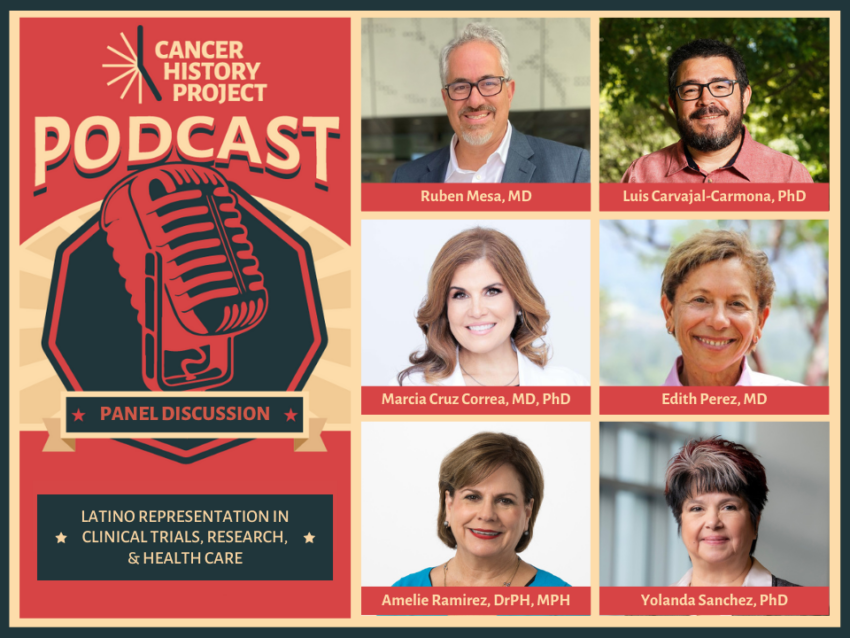
Dr. Amelie G. Ramirez, leader of Salud America! at UT Health San Antonio, joined other cancer experts to discuss participation in clinical trials, research, and healthcare on a podcast episode for the Cancer History Project by The Cancer Letter. The episode features: Dr. Ramirez
Dr. Luis Carvajal-Carmona, University of California, Davis
Dr. Edith Perez, Mayo Clinic
Dr. Marcia Cruz-Correa, University of Puerto Rico Comprehensive Cancer Center
Dr. Yolanda Sanchez, University of New Mexico Comprehensive Cancer Center
Dr. Ruben Mesa, Atrium Health Wake Forest Baptist Comprehensive Cancer Center (moderator) The group explores cancer and clinical care among people with different backgrounds. “The pipeline issue continues to be a huge issue for us,” said Ramirez, ...
Two million Texans lost their Medicaid health insurance coverage in part due to state errors after federal funding to Texas ended after the COVID-19 pandemic, according to a recent article from ProPublica and The Texas Tribune. Many who feel “wrongly removed” are struggling to regain their coverage. “Texas’ zealousness in removing people from Medicaid was a choice that contradicted federal guidelines from the start,” according to the article. “That decision was devastating in Texas, which already insures a smaller percentage of its population through Medicaid than almost any other state and is one of 10 that never expanded eligibility after the passage of the Affordable Care Act.” If you’re struggling with a Medicaid application in Texas, you can share your story ...
Cancer can be many things. Some describe cancer as a journey, a struggle, or a fight. For Brittney Millard, a breast cancer diagnosis was a life-changing event that gave her the passion to help other cancer survivors. “It's really what's in your heart. You can [help] people you know in your daily life, just spreading awareness and taking initiative,” Millard said. Millard, 32, an intern at the Institute for Health Promotion Research at UT Health San Antonio, still faced many hardships with her cancer experience. But now she aims to help others avoid pitfalls she went through. Let’s learn more about her inspiring story and her goals for helping others.
A Major Life Change
A native of San Antonio, Millard described her childhood as difficult. Growing up, ...
Breast cancer survivors were less likely to meet physical activity guidelines than women without cancer, according to a recent study in Cancer Epidemiology, Biomarkers & Prevention. In addition, certain survivors, including Latinas, also had low rates of physical activity. “Low physical activity participation among breast cancer survivors may be related to various clinical, demographic, and socioeconomic characteristics,” according to the study. Let’s dive into this research and what it means for Latina breast cancer survivors.
Physical Activity and Survivorship
Setting fitness goals with physical activity is an important part of breast cancer survivorship. “Research shows that getting to and staying at a healthy weight, eating right, and being physically active ...