The National Comprehensive Cancer Network (NCCN) provides a multitude of cancer-related resources thought its NCCN Guidelines for Patients. With the guidelines, patients and others can get easy-to-understand information about prevention, screening, diagnosis, treatment, and supportive care for nearly every type of cancer. Now these resources are available in Spanish! Let’s dive deeper into these resources and how they can benefit Latinos and their loved ones with cancer.
The Importance of Spanish-Language Resources for Cancer Patients
Many Latinos experience challenges when it comes to accessing healthcare, including finding Spanish-language content. “Language [gaps] in healthcare lead to miscommunication between the medical professional and patient, decrease the ...
Physical activity can have many benefits for cancer survivors, from improving their quality of life to potentially making it less likely that their disease will come back. Yet studies have shown that many cancer survivors struggle to get the recommended levels of physical activity, particularly those affected by health differences. Now, according to the results of a new study, a program in Texas has shown it can get these cancer survivors moving more by supporting them in the communities where they live, and by getting their caregivers to become more active as well. The cancer survivors and caregivers, who were mostly Latino, were participants in a 12-week program called Active Living After Cancer. After completing the program, the percentage of survivors getting recommended ...
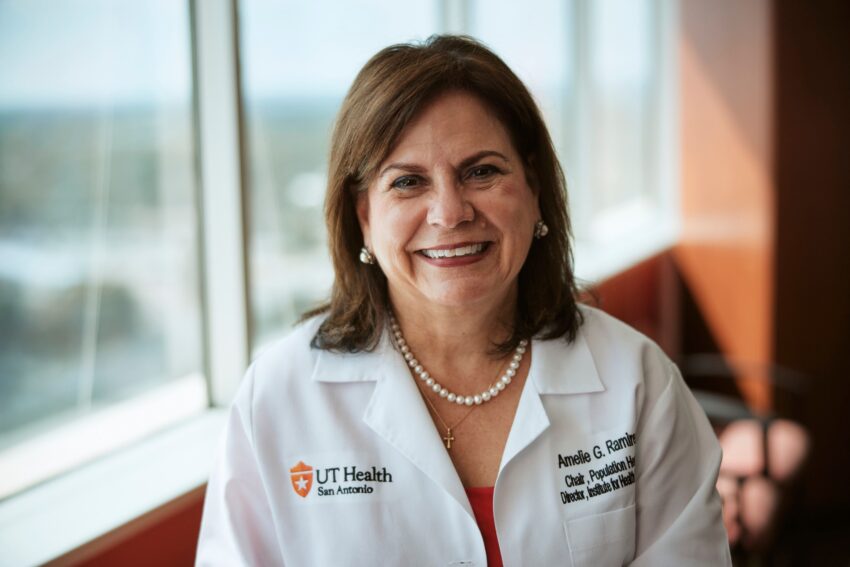
Dr. Amelie G. Ramirez, leader of Salud America!, joined a KSAT News town hall on Oct. 8, 2024, to share insights on a growing effort to address cancer in majority-Latino South Texas. The event, “Revolutionizing Cancer Care for South Texans: A New Era of Treatment,” was hosted by KSAT anchor Stephania Jimenez. It featured Ramirez, Dr. Mark Bonnen, chief medical officer at the Mays Cancer Center at UT Health San Antonio, and Jeff Flowers, chief executive officer at the UT Health San Antonio Multispecialty & Research Hospital. Ramirez shared about the state of cancer and the need to address the non-medical drivers of health in South Texas. She also urged cancer survivors to join the Avanzando Caminos study. The study aims to enroll 1,500 Latino cancer survivors in South ...
Drug misuse continues to be a pervasive problem in the US.
Use of illicit drugs can have disastrous health consequences, especially for vulnerable populations like Latinos, and can lead to premature death.
While there are methods to combat addiction, lack of information, lack of insurance, and less access to treatment facilities can get in the way of seeking treatment.
The Department of Health and Human Services (HHS) recently released its annual report on the state of mental health and substance use in the US.
Based on results from the 2023 National Survey on Drug Use and Health, Key Substance Use and Mental Health Indicators in the United States covers mental health and substance use, including tobacco, illicit drugs, and more.
So far, we have covered alcohol, tobacco and vaping, ...
Latinos currently make up 19.5% of the US population. Yet only 7% of physicians are Latino, according to the Association of American Medical Colleges (AAMC). What’s more, only 2% of the 7% are Latina, according to the publication Latina Women in the U.S. Physician Workforce. Having Latinos in medicine is vital to achieve better health outcomes for all patients, including Latinos. This glaring difference can increase instances of mistreatment or negative perceptions, delay preventative care, influence what kind of treatment someone receives, and cause a stronger mistrust of the healthcare system – all of which can disastrously impact Latino health. During Hispanic Heritage Month we are honoring Latino physicians on National Latino Physician Day, Oct. 1, to ...
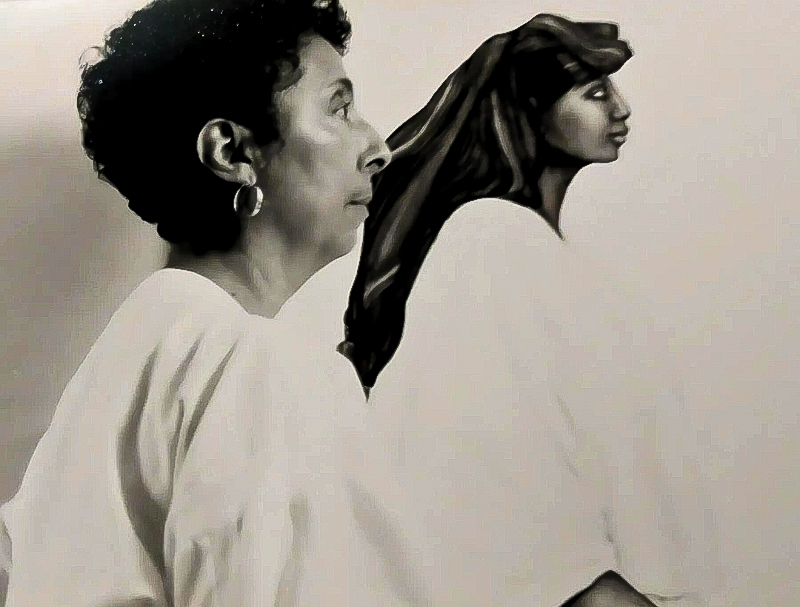
Whether with paint on canvas or a friendly chat in person, San Antonio artist Mary Louise Lopez always spread love and showcased the beauty of the human spirit. Mary Louise was a gifted artist in drawing, painting, sculpting, and batiking. The subjects of many of her paintings are native communities of Texas, Mexico, Central America, and South America, where she often travelled and befriended many locals. Mary Louise, who passed away in November of 2022of pancreatic cancer, portrayed the pride and strength of native Latinos with great affection and care, said Irene Peche, a close family-friend. “She sought to capture their dignity and the work ethic by which they lived. There is an honesty in the depictions of her subjects that captures reality, beauty, and hardship without ...
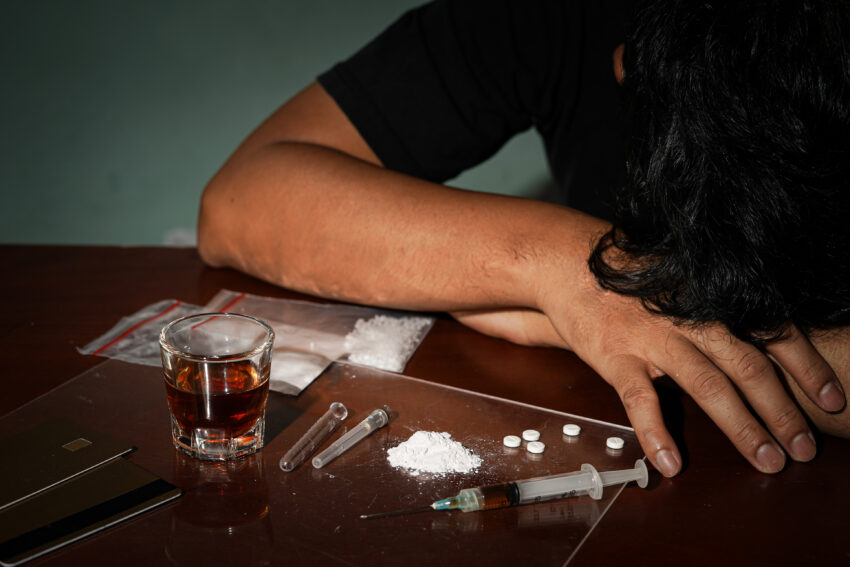
Illicit drug use continues to be a pervasive problem in the US. Use of illicit drugs can have disastrous health consequences, especially for vulnerable populations like Latinos, and can lead to premature death. The Department of Health and Human Services (HHS) recently released its annual report on the state of mental health and substance use in the US. Based on results from the 2023 National Survey on Drug Use and Health, Key Substance Use and Mental Health Indicators in the United States covers mental health and substance use, including tobacco, illicit drugs, and more. So far, we have covered alcohol, tobacco and vaping, and marijuana use among Latinos. In the next part of our series, we’re going to explore the report and find out how using illicit drugs ...
Cancer continues as a top cause of death for Latinos. In 2021, cancer caused the deaths of 23,800 Latino men and 22,700 Latinas, according to the U.S. Food & Drug Administration (FDA). Cases of Latino cancer are expected to rise by 142% in the coming years. That is why FDA is raising cancer awareness and promoting Latino clinical trial participation by holding its first-ever National Hispanic/Latino Family Cancer Awareness Week during Hispanic Heritage Month.
What is National Hispanic/Latino Family Cancer Awareness Week?
The week of Sept. 20-26, 2024, will serve as the inaugural National Hispanic/Latino Family Cancer Awareness Week. The new observance, led by the FDA’s Oncology Center of Excellence Project Community, focuses on engaging community-based ...
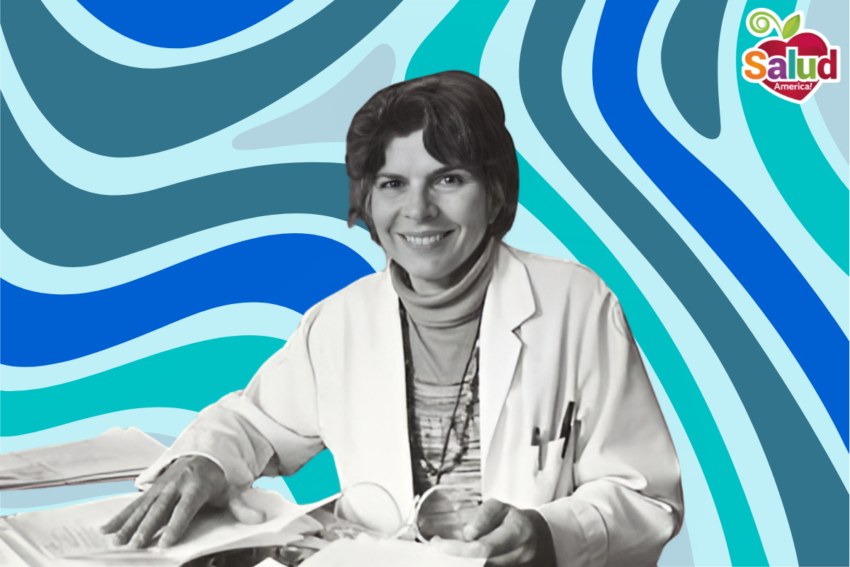
As we celebrate Hispanic Heritage Month, Salud America! is spotlighting some amazing Latinos. Dr. Helen Rodríguez-Trías blazed a trail for Latinos in public health. Rodríguez-Trías helped children as a pediatrician, spoke up for rights for women and those overlooked in healthcare, and became the first Latina president of the American Public Health Association. Let’s explore her career, accomplishments, and how her legacy continues to inspire Latinos in health and medicine today!
Dr. Helen Rodríguez-Trías: Early Life and Stepping Stones
Helen Rodríguez-Trías was born in 1929 in New York but spent much of her early childhood in Puerto Rico. At the age of 10, Rodríguez-Trías returned to New York with her family. Rodríguez-Trías would learn English quickly and did ...