Since 2001, due to larger socioeconomic forces, there has been a dramatic increase in the number of children benefiting indirectly from Social Security. Economic inequality, income stagnation, immigration, and the recession have all contributed to the rise of extended, multi-generation families with shared living arrangements. In 2014, 3.2 million children under the age of 18 received Social Security. Certain families receive benefits through the survivor insurance program that provides income to the dependents of covered workers how have passed away. Children under the age of 18 also qualify for benefits if they are dependents of a parent or guardian who is disabled or retired. According to the Social Security Administration, with longer life expectancies, elderly Latinos will live ...
In July 2016, The Lancet published its second Series on physical activity, which presents an update of the field since 2012 when physical inactivity was identified as important a modifiable risk factor for chronic diseases as obesity and tobacco, as well as the largest systematic review on the associations of of sedentary behavior and physical activity with all-cause mortality, and the first global estimate of the economic burden of physical inactivity. Direct health-care costs and disability-adjusted life-years (DALYs) attributable to physical inactivity were estimated for coronary heart disease, stroke, type 2 diabetes, breast cancer, and colon cancer, and productivity losses were estimated with a friction cost approach for physical inactivity related mortality. According to ...
One hour of physical activity per day could offset the risk of sitting for 8 hours per day. However, regardless of physical activity, watching TV for three hours or more per day was associated with increased risk of death, except in the most active quartile (ie, about 60-75 minutes per day), where risk of death was significantly increased only in people who watched TV for 5 or more hours per day. In 2012, in The Lancet's first Series on physical activity, physical inactivity was identified as important a modifiable risk factor for chronic diseases as obesity and tobacco. Modifiable risk factor is something that a person can modify now to improve their health, such as quitting smoking, reducing body fat percent, or walking more. In July 2016, The Lancet published its second ...
The U.S. Department of Education recently announced new federal guidelines for states and school districts across the country to better serve students that do not have a permanent home. The new guidelines were mandated by federal legislation and will become effective on October 1. According to federal data gathered during the 2013-2014 school year, there are 1.3 million homeless students in the U.S. This population is also among the country’s most vulnerable. “Struggling to survive was a constant battle, but having your entire support system, your entire family, stripped from you so quickly and completely – it's an experience I will never be able to fully and accurately articulate,” said Levi Bohanan, special projects manager in the Office of the Secretary of Education and ...
New research released by the Robert Wood Johnson Foundation (RWJF) has determined that if the 19 states that have not yet currently expanded Medicaid benefits were to do so in 2017, up to over 5 million fewer people would go uninsured. The research RWJF utilized for the report is based on Medicaid and Healthcare Marketplace data. The states where the largest drops would occur are Texas, Georgia, and Florida. Groups that would see the largest drops in uninsured rates are adults without kids (over 3.5 million), people with only a high school education (over 2 million), and Hispanics/Latinos (1.2 million). In order to reduce health disparities, it is critical to address inequities in programs, practices, and policies. Join our site, connect with others, and get ...
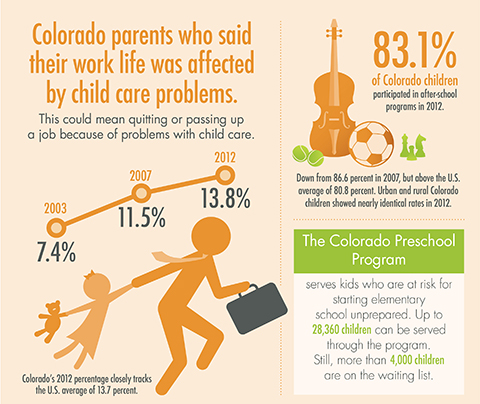
The Colorado Health Foundation and the Colorado HeaIth Institute have issued new Data Spotlight, Where Health Happens. The report, to be released on Wednesday, July 27, at the Colorado Health Symposium, builds on the local Symposium event theme, “Health is Everyone’s Business."
The report highlights five nontraditional drivers of health, along with disparities and opportunities for improvement across the state in education and child care, financial security and safety, food access, housing, and transportation.
The report also features three stories of Colorado communities taking action to improve health including two Denver neighborhoods and the city of Walsenburg.
To learn more and view the report here.
The speakers and conversations will be broadcast live July 27-29th. To make ...
Healthy ATC is a data portal created by Central Health, the City of Austin Health & Human Services Department, and Travis County Health & Human Service and Veterans Service to help community members and policy makers learn about health indicators that affect the health and quality of life of Austin Travis County (33.8% Latino) residents. Healthy ATC focuses on the four priority health indicators in their area which include diabetes, tobacco, obesity, and HIV. It provides local health data, resources, best practices, news articles and information about community events. Their goal is to strengthen and build healthier communities through the provision of state-of the art web-based assessment and improvement tools to support the systematic adoption, implementation, and ...
Grants were recently given to help eradicate hunger and bring healthier foods to Southern Arizona, which currently deals with low food access, according to recent county health rankings. The grants were received by various organizations that have already started initiatives to bring healthier foods to Arizona, including The Willcox Community Food Pantry, The University of Arizona, The Community Food Bank of Southern Arizona, the Vitalyst Health Foundation, Feeding Matters, The Arizona Community Foundation and various other organizations. Many of the funds will go to help expand and develop programs that help to build or sustain programs around healthy eating, gardens, and agricultural supply chains. Healthy food access is vital for Latino youth, who often live in areas far from ...
On Tuesday July 19, 2016 Community Commons featured Salud America! (SA!) in a webinar that explains how free membership with the SA! website can benefit you! The website provides free tools and stories aimed at creating healthy environments on a daily basis and also gives members the opportunity to: Browse content by one of each six topic areas
Search for news updates, research, toolkits, maps, and more!
Watch videos and read stories of inspiring role models who are positively impacting the health of Latinos in their community. In order to take full advantage to Salud America! and Community Commons visit the registration page and login in. Salud America! is your source and network for action on Latino childhood obesity prevention. Find more content on how to create ...