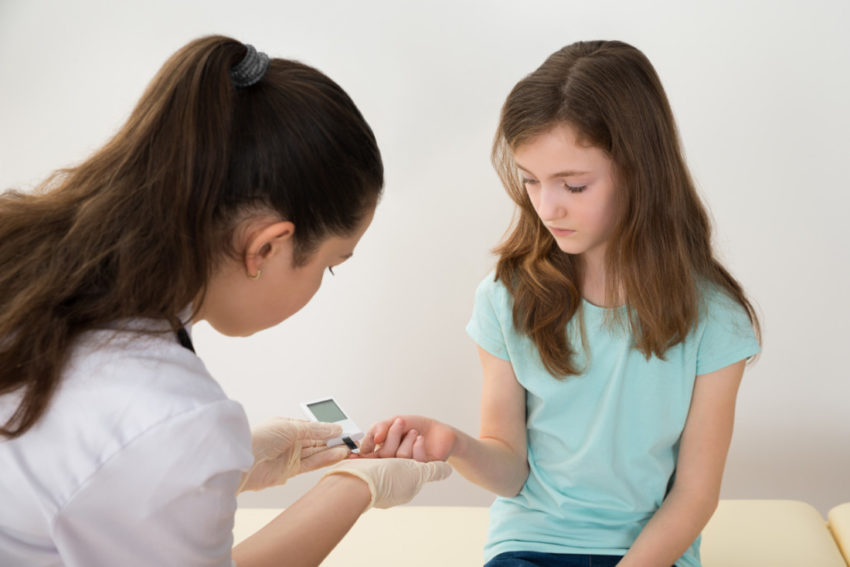
En todo el mundo, 1,5 millones de personas mueren cada año por causa de la diabetes de acuerdo a cifras de la Organización Mundial de la Salud. En los Estados Unidos, la diabetes es la 7ª causa de muerte y el 12,8% de los latinos en Estados Unidos padece de ella. "La diabetes es una enfermedad antigua que está tomando un peaje cada vez mayor en el mundo moderno. En 1980, 108 millones de adultos padecían de diabetes. Para el año 2014, la cifra había aumentado a 422 millones-8,5 por ciento de los adultos que reflejan un aumento global de los factores de riesgo tales como el sobrepeso o la obesidad. A pesar de que tenemos las herramientas para prevenir y tratarla, la diabetes causa alrededor de 1,5 millones de muertes al año, "dijo el secretario general de la ONU, Ban ...
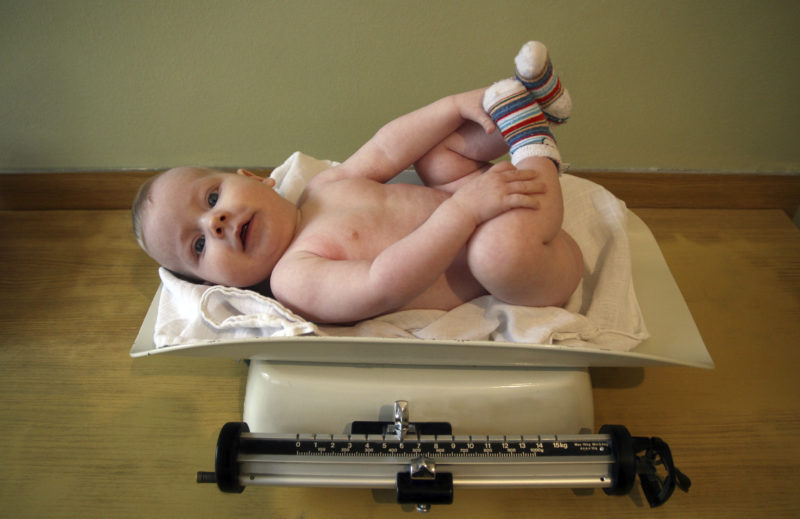
New research suggests that mothers who perceive their child to be in fair or poor health are more likely to underestimate their weight. The study from the University of Houston's Department of Health and Human Performance found that a child's risk for obesity or malnutrition may be tied to the mother's misperception of her child's weight status. Surveying 70 low-income Latina mothers, the study revealed over 54 percent of the mothers surveyed with an overweight or obese child perceived their child as being a healthy weight. One of the main researchers of the study explained in a recent article that the way mothers perceive their children's weight is closely tied to their own weight, and often Latina moms seem to link health with weight. Researchers suggest that bilingual ...
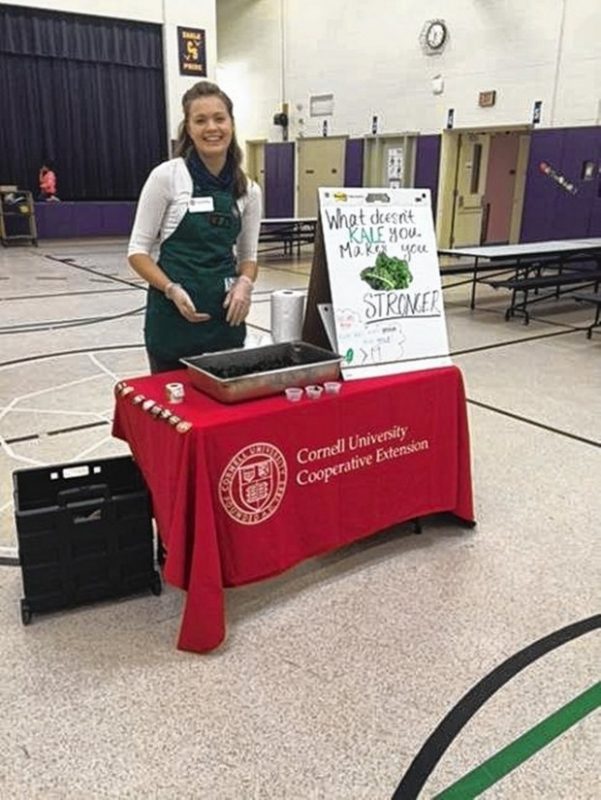
Want to get your kids to eat vegetables? A lunch lady from New York has cracked the code on how to get picky eaters to eat healthier foods like kale and beans. Donna Riviello, the food service director at Clyde-Savannah Central School District has helped kids try unfamiliar vegetables in school lunches like kale, sweet potatoes, and legumes. Working with marketing tactics and taste testing trials in the schools lunch room, she has kids try out new vegetables and even has them pair it with other favorites. A recent article states that some studies have shown it takes as many as twenty times for a kid to like new foods, and Riviello stated it usually takes students five to seven times to make up their minds about the new vegetables, saying that "There's a psychology to ...
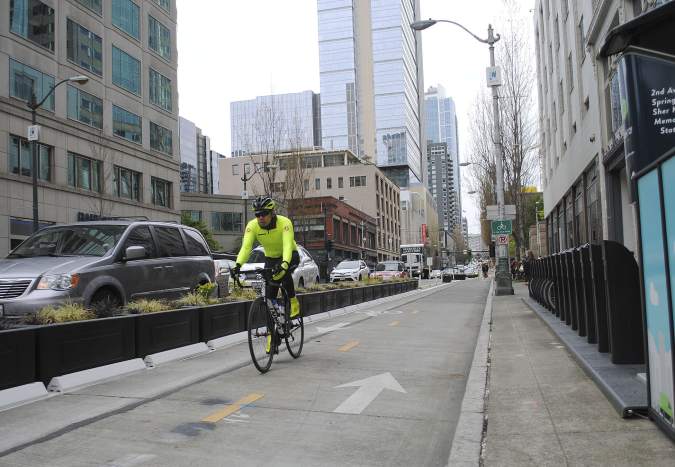
In April 2016, PeopleForBikes released a new report, Quick Builds for Better Streets, looking at lessons from quick-build protected bike lane projects in Seattle, New York, Chicago, Austin, Denver, Memphis, Pittsburgh and San Francisco. The quick-build trend grew out of small-scale tactical urbanism projects where activists would modify a street by painting their own bike lane or adding cheap plastic posts. These projects demonstrate to the public how modified infrastructure-added bike lanes-could work in the real world. Access the new report, Quick Builds for Better Streets, here. Copy and share: Report to help cities adopt quick-build protected bike lanes. http://salud.to/21cixaz ...
In September 2014, the Seattle Department of Transportation launched the Second Avenue protected bike lane pilot project. As a pilot project, a two-lane cycle track was constructed on the southbound side of Second Avenue with paint and plastic posts. The purpose of pilot bike lane projects, like this, are to design and implement demonstration projects that illustrate to the public how new types of infrastructure-bike lanes-could work in the real world, particular how new types of infrastructure could work on real roads. The demonstration worked. “If you look at the bike volumes, before there were about 188 folks a day who would ride down Second," Dawn Schellenberg, the SDOT project developer in charge of the plan said, according to one source. "If you make it a two-way bike ...
A recent study from the University of Michigan’s Ross School of Business, low-income families pay more for everyday items due to an inability to buy these products in bulk. As reported by CNN, researchers analyzed among the purchases of over 100,000 household items over the course of seven years. It was determined that low-income families were less able to afford the higher upfront cost of buying items in bulk rather than households with higher incomes. Two-thirds of U.S. Latino children live in low-income households and about one-third live in poverty. One of the key products studied was the purchase of toilet paper. In studying this trend, it was observed that 36 rolls of two-ply toilet paper might cost $15, but a roll of one-ply cost only $1. Researchers found that low-income ...
According to a report by the Center on Budget and Policy Priorities more than half a million people could lose their Supplemental Nutrition Assistance Program (SNAP) benefits in 2016 due to the return of a three -month limit of benefits for unemployed adults age 18-49 who aren’t disabled or raising minor children in many areas. The impact will be felt in 22 states that are reimposing the limits this year. Latinos are disproportionately affected by poverty, food insecurity, and unemployment. They are also more likely to receive emergency food assistance. More than 22% of Latino households are food insecure as compared to 11% White, non-Latino households. Over 25% of Latino children live in food-insecure households. Work requirements in public assistance programs typically require ...
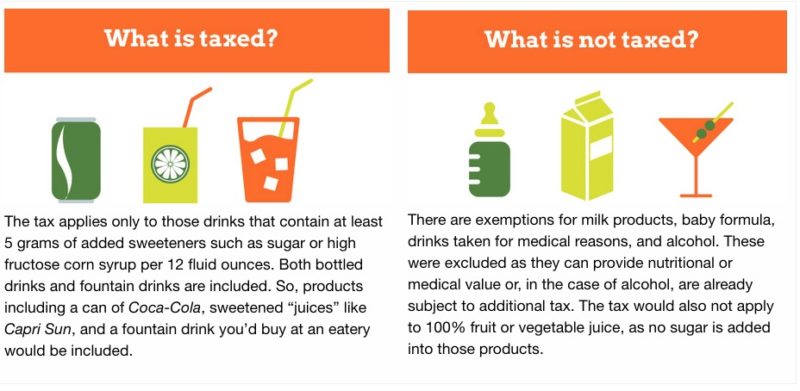
A new coalition has joined together as the Healthy Boulder Kids, aimed to help advocate healthier changes for kids in the state to have equal access to healthy foods and opportunities for activity. The group also is aiming to help prevent childhood health risks like diabetes and obesity and is submitting language for an excise tax on distributors of 2 cents per ounce on sugary drinks that contain at least 5 grams of sugar, high-fructose corn syrup or other added sweeteners per 12 fluid ounces. The measure would provide funding for programs that give greater access and opportunity for healthy foods and exercise for families and children living in Boulder. It would also not tax 100 percent fruit juice, vegetable juices (with no added sweeteners), milk products, liquid medicines, ...
Mars announced last week to pledge to lower sodium in their processed foods by twenty percent by 2021. The plan for Mars Food is to add more herbs and spices to maintain their products flavor and reduce the salt. High salt and sugar contents are common in processed foods, and not always easy to see in labeling, making it an easy hazard for heart health risks. According to the American Heart Association (AHA), some of the sodium levels in Mars's popular Uncle Ben's rice products are high enough that if a person serves themselves an extra serving of the chicken-flavored rice, they would be over the recommended daily amount of sodium. The AHA has long requested food companies to reduce sodium in its products for health reasons. Mars is also now requesting the FDA to issue ...