For the past two years, COVID-19 has continued to ravage the United States. Data continue to show that Latinos and other people of color are disproportionately affected, amid worsening historical health and social inequities. How can we address this? Let’s use #SaludTues on March 1, 2022, to explore health inequities facing the Latino population over the past two years (and long before that), and share solutions and strategies to promote health equity amid the pandemic! WHERE: Twitter
WHAT: #SaludTues Tweetchat “Two Years Later: How COVID-19 Is Impacting Latinos”
WHEN: 1-2 p.m. ET (12-1 p.m. CT), Tuesday, March 1, 2022
HOST: Salud America! at UT Health San Antonio (@SaludAmerica)
CO-HOSTS: The Children’s Partnership (@kidspartnership); Latinx Voces LLC ...
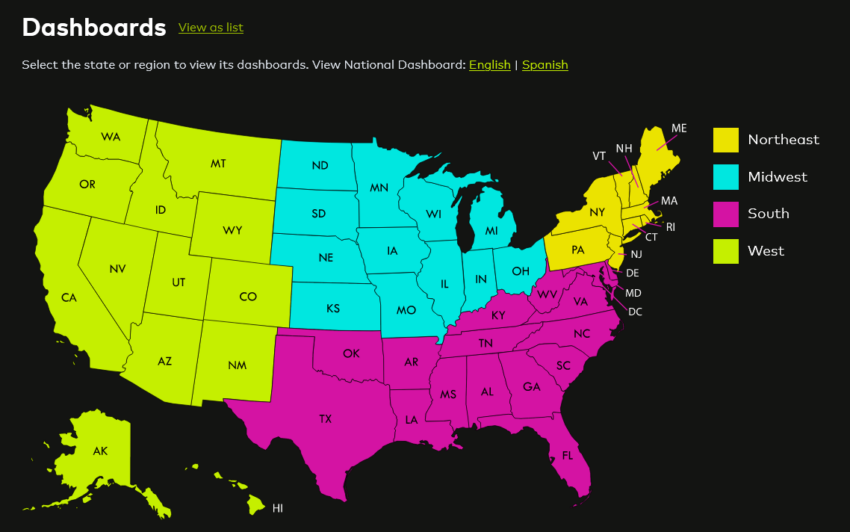
Healthcare leaders say that the COVID-19 vaccine is the clearest path to end of the pandemic. However, incorrect information about the vaccine spread on social media stands in the way. Many spreaders target overlooked communities, such as Latinos, which have a long-standing mistrust and skepticism in government. To combat this increasing threat, the Public Good Projects (PGP) and the New York State Health Foundation (NYSHF) created Project VCTR (Vaccine Communication Tracking & Response). Project VCTR helps track misinformation across different media sources to measure the public’s confidence in the vaccine. Currently, negative attitudes about the vaccine are declining after a strong rise in fall of 2021, according to the dashboard. They produce dashboards and track ...
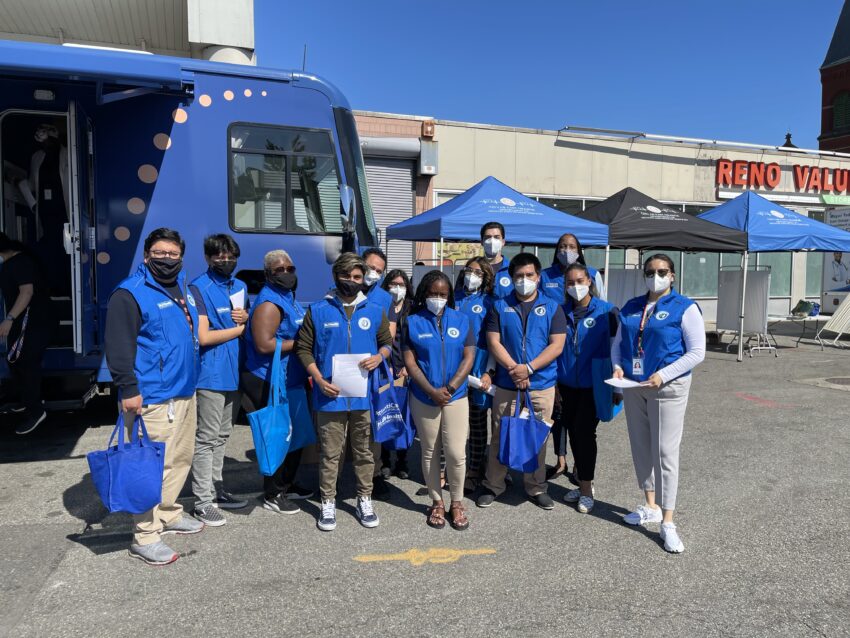
COVID-19 continues to burden overlooked communities, particularly low-income and Latino immigrant populations. Often, these communities have fewer resources and need support and health education to fight COVID-19. That’s why groups like the COVID Community Corps (CCC) were started. “It’s about getting into those really hard-to-reach populations and communities and bringing the information in a very linguistic and competent manner,” said Nayeli Salazar de Noguera, the program outreach manager for the CCC. Through canvassing and educational initiatives, the CCC aims to reach these communities and increase public confidence in and uptake of COVID-19 vaccines. Learn how they are building vaccine confidence in low-vaccinated parts of New Jersey!
Launching the COVID ...
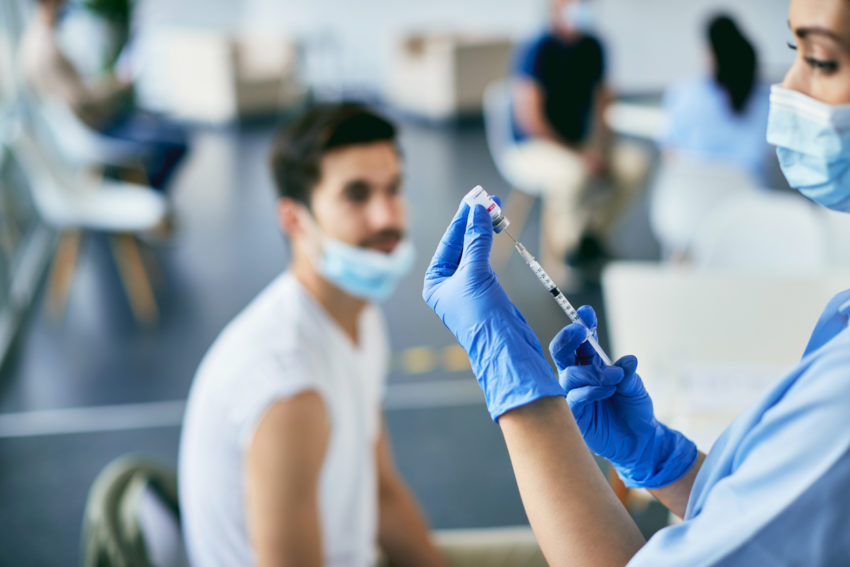
As the Pfizer-BioNTech, Moderna, and Johnson & Johnson COVID-19 vaccines continue to be distributed across the country, several states are reporting the demographic makeup of their vaccine distribution numbers. Initially, Latinos made up a very low percentage of those getting a vaccine, despite being hurt more by COVID-19. However, in the summer and fall of 2021, more and more Latinos got vaccinated, according to data from the Kaiser Family Foundation. Still, inconsistencies for Latinos persist in different states. Differences in education level, political affiliation, and health insurance also add to the vaccine gap. As some states begin to release data on booster shots, data shows that Latinos are getting boosted at lower rates compared to other groups. Let’s take a ...
A new strain of the COVID-19 virus is spreading, and the Omicron variant has already reached North America, experts say. This is yet another mutation, following the Delta variant, that was first identified in South African researchers. It has quickly spread to other continents. Health experts, such as former FDA Commissioner Dr. Scott Gottlieb, urge people to not get over-worried too quickly about Omicron, but still take available precautions like getting the COVID-19 vaccine and booster shot. "Is this making people more ill? There's no indication that it is. And in fact, there's some anecdotal information offered from physicians in South Africa that this could be causing milder illness. Now, that could be an artifact of the fact that initial cases seem to be clustered in younger ...
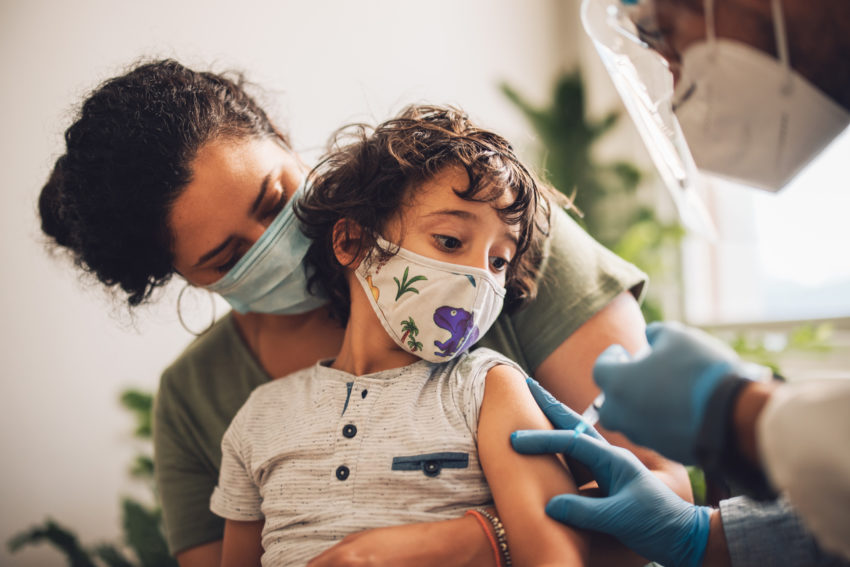
Maria Maldonado knows what it’s like to experience the tragedy of COVID-19. She lost five family members to the virus in the past year, including her mother. “It was just a tidal wave. And it was just very hard for us to go through something so tragic, back to back. It was a very difficult time,” Maldonado said. When the vaccine became available for adults, Maldonado couldn’t wait to get one. “I was not hesitant at all. Why? Because I trust science. They developed it fast, but they still took the protocols and the safety measures that they had to take,” Maldonado said. Once the vaccine was available for children ages 5 to 11, Maldonado got her 9-year-old son Jacob vaccinated. She hopes that other Latino parents will vaccinate their children and help protect ...
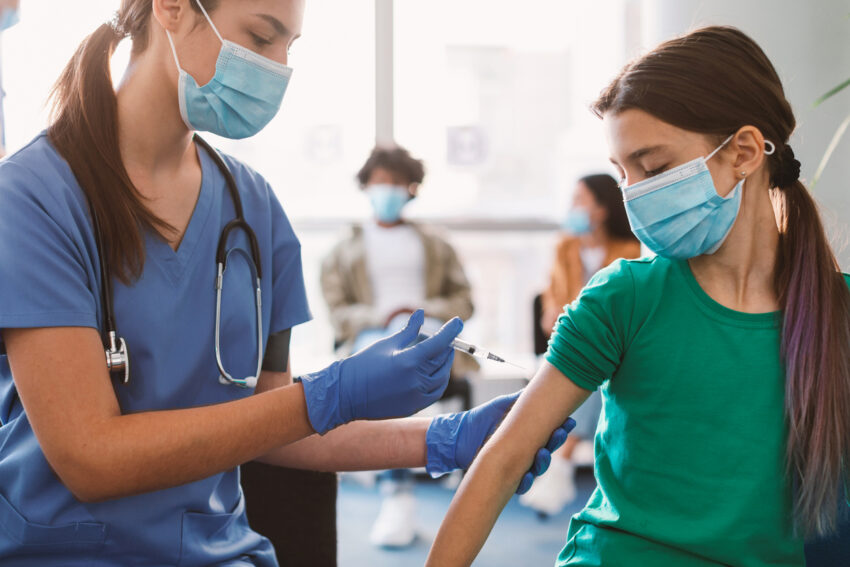
On Oct. 29, 2021, the FDA authorized the Pfizer-BioNTech COVID-19 vaccine for emergency use for children ages 5 to 11. It had previously been approved for those ages 12 and older. The move will make the vaccine available to 28 million children in this age group. Getting children vaccinated is vital for controlling the spread of the pandemic, especially as many schools have returned to in-person learning. Do you have questions about the Pfizer vaccine and want to know more before your children get vaccinated? Here’s what Latino parents should know. Update 1/19/22: Greater than COVID shared new videos in English and Spanish featuring doctors answering questions about the COVID-19 vaccines for kids 5-11.
Is the vaccine safe for children? Why was it produced so ...
As the COVID-19 pandemic continues to spread, public health experts are focusing on addressing concerns with vaccine efficacy and safety for those who remain hesitant. That’s why the Societal Experts Action Network (SEAN) of the National Academies of Sciences, Engineering, and Medicine has put together a toolkit of communication strategies for people who are unsure about the vaccine, parents who are thinking of vaccinating their children, and strategies for engaging with specific communities, such as Latinos. “In a rapidly evolving situation, where new evidence is continually emerging, state and local decision makers must be ready to frequently adjust and adapt their communication and messaging strategies to meet public needs,” write the authors of the toolkit, Emily Brunson, ...
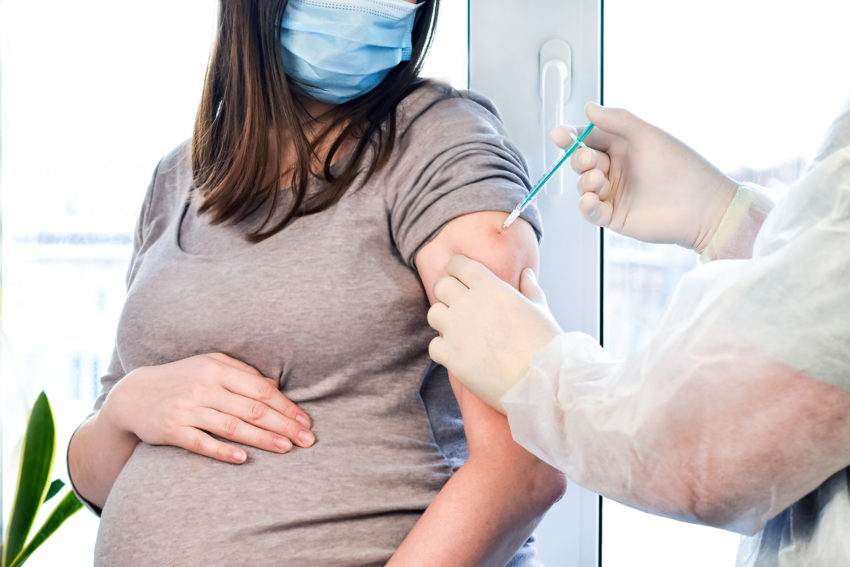
Pregnant Latinas have some of the lowest vaccination rates against COVID-19 compared to other ethnic/racial groups, according to a report from the CDC. The disparity is likely due to less culturally competent and accessible healthcare in communities of color, as well as vaccine misinformation about fertility and pregnancy. The CDC encourages all people who are eligible to get vaccinated against COVID-19 and that pregnancy should not be a barrier. “COVID-19 vaccination is recommended for all people 12 years and older, including people who are pregnant, breastfeeding, trying to get pregnant now, or might become pregnant in the future,” according to the CDC’s website. With more culturally relevant resources regarding vaccine safety for fertility and pregnancy, vaccine ...