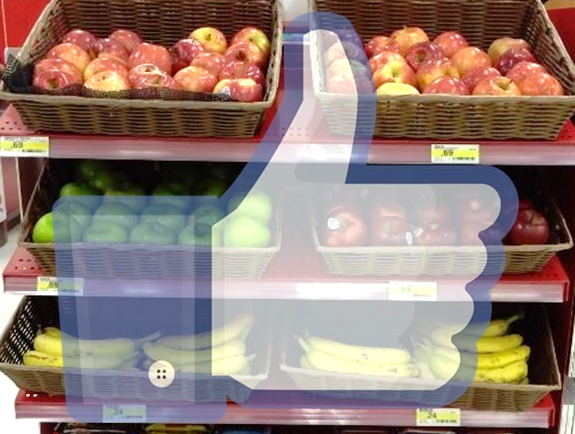
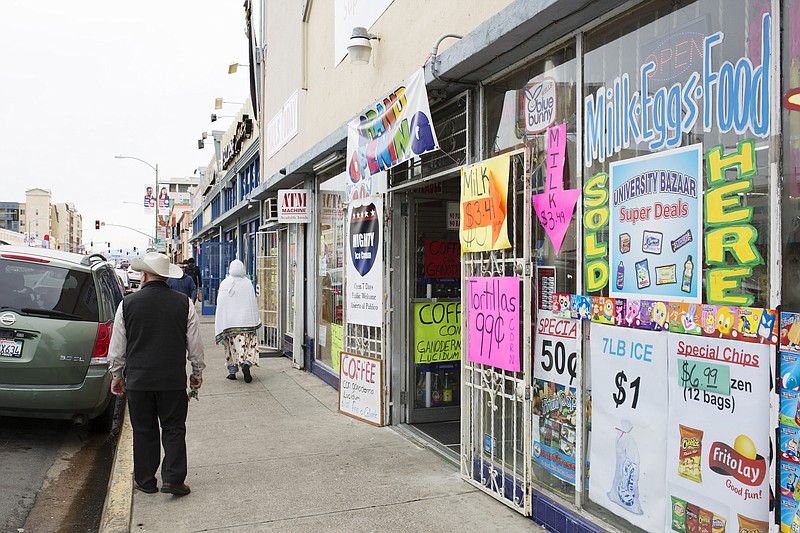
Latino communities often have more access to fast food and corner stores with less access to healthy foods, so ensuring healthier food access is available in corner stores is an important avenue to help bring healthier foods and diets to Latino neighborhoods. Research shows that increased access to supermarkets can help Latino communities economic vitality and is linked to healthier body weights, so how can corner stores play a part in healthier food access for Latinos? A new guide from the Food and Nutrition Service of USDA can help corner stores sell healthier foods, with strategies on marketing and displaying healthy food and beverage options, sourcing these options and making changes to their overall stores. The Healthy Corner Store Guide helps corner store owners learn how ...
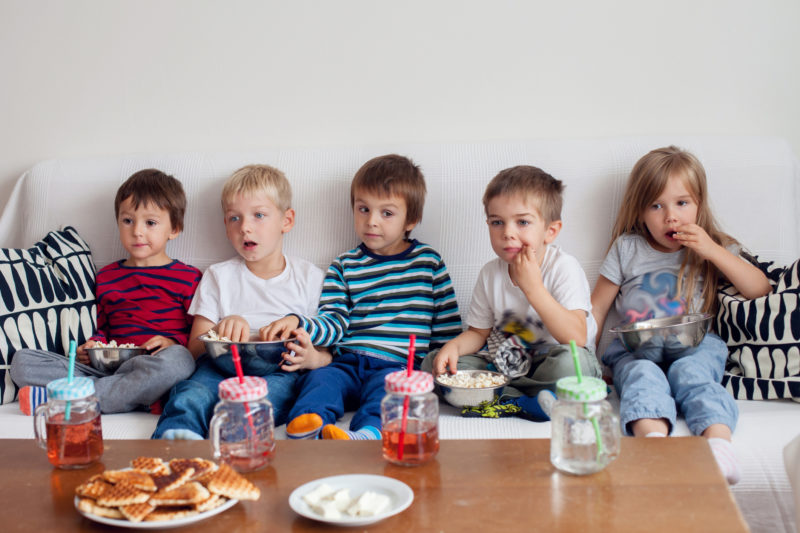
Many Latino preschool kids deal with heavy advertisements of unhealthy food marketing and consume more sugary beverages and junk foods than their peers. Now a new study highlights the importance of healthier food marketing to kids of preschool age. The study reported on in Pediatrics found that food advertisement exposure may actually encourage more eating among the young, and depending on which foods are offered, could be adding to a risk for unhealthy weights. Sixty children ages two to five were given a healthy snack then asked to watch a 14-minute TV ad, half watching an ad about food, the other half watching an ad featuring a department store. They were then given an option after seeing the ads to consume more snack foods, where the kids who saw the food ad ate 30 more ...
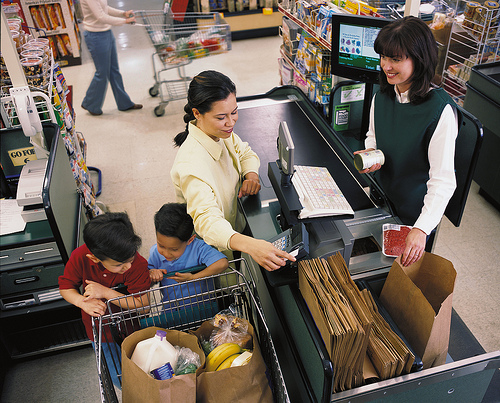
What would you think of fruit slices or nuts in your grocery stores check out lanes? A recent study explored how consumers felt after a healthy in-store marketing study was conducted and how it can impact sales. Before the study was started, a pre-intervention study revealed many consumers had concerns and were annoyed with unhealthy snacks being placed and promoted throughout the store. Shoppers had reported a concern for many families that struggle with children pleading for unhealthy snacks at checkout, and believed stores should avoid unhealthy marketing. Candies and sugar confectionery were then replaced at one checkout lane in four stores. After four weeks interviews with consumers revealed positive attitudes towards the healthy marketing checkout lanes and ...
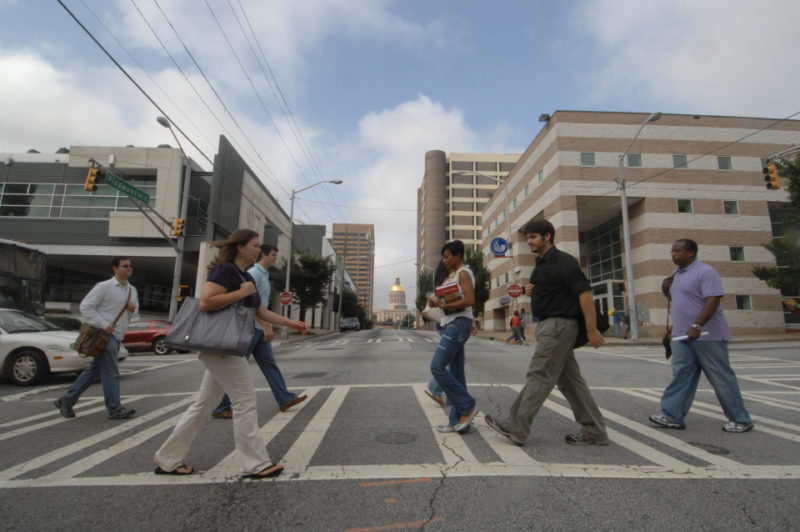
Walking is one of the easiest things you can do to improve your health! Unfortunately many Latino families lack access to safe places to walk and play, thus face health disparities. The America Public Health Association is hosting a billion mile challenge to encourage everyone to log some steps and to start the conversation about designing communities that promote physical activity. The Billion Steps Challenge begins January 9, and continues through April 9, 2017. Learn more and register yourself or a team here. They provide the technology platform as well as sample promotional ...
Doctor Jamie Jeffrey now stands for a sugary beverage tax within her patient's diets, stating that after her extensive research and scientific findings, she encourages West Virginia to take a "bold action" for kids by implementing a sugary drink tax. "Over the past 5 years, my patients have suffered more from the insulin resistance disease spectrum presenting as rapid weight gain, high triglycerides and a dark rash around their neck and on their knuckles known as acanthosis nigrican," Jeffrey told Charleston Gazette-Mail. West Virginia has had an increase in obesity rates from 14.4 percent to 16.4 percent in their younger population, where nearly 40% of West Virginians consume sugary sweetened beverages daily and 60% of 18-24-year-olds consume sweet drinks daily. Now West ...
Recent national numbers regarding unemployment and poverty have been promising. For the first time since the Great Recession, Americans across the country have looked to be “better off” financially and economically. However, in one area of Southern California, those numbers have proven to not ring entirely true. In San Diego County (33% Latino population), the Bureau of Labor Statistics reported that the unemployment rate fell from 8.8% in 2014 to 4.3% in 2016. Despite these circumstances, the Census Bureau released data showing that despite there being more jobs, more people are falling into poverty. Analyzing the numbers between 2006-2010 and 2011-2015, the countywide poverty rate grew from 12.3% to 14.5%. “The thing that people really don’t realize regarding poverty and ...
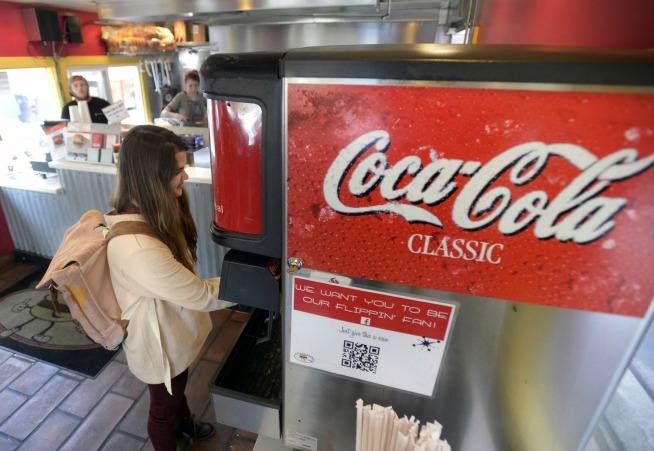
Unhealthy food and beverage marketing ads are targeted more at Latinos and minorities on TV, social media and more, according to recent research. The Praxis Project, led by Latino advocate Xavier Morales, and others filed a legal complaint against Coca-Cola and the American Beverage Association for deceptive marketing practices that push sugary drinks to communities of color. The complaint was filed in federal court in California is confusing the public, and indicates “the world’s largest soft-drink maker and the trade association run ads that tout the energy boost from drinking soda, and disregard scientific findings that sugary beverages can lead to obesity, diabetes, and heart problems,” according to a CBS News report. Both Coca-Cola and the American Beverage ...
Perceptions of place impact behavior, thus health. Think of specific places, like neighborhoods, sidewalks, and parks; specific physical activity behaviors like walking, playing, and biking; and specific health issues, like heart disease, diabetes, and depression. Latino children often lack access-both real and perceived-to safe, available places to be physically active, thus their mental, physical, and emotional health suffer. Literature regarding inequity in places to walk and play and subsequent health disparities is continuously growing. According to a new survey, perceptions of place also impact civic engagement. The Center for Active Design (CfAD) analyzed data from the Soul of the Community survey to explore the relationship between qualities of place and civic ...
The city can now move forward with the taxing of sugary beverages as a ruling on Monday dismissed the American Beverage Association and other Pennsylvania food and beverage associations lawsuit in "its entirety", meaning there is no going back after January first when the tax is scheduled to take effect. Signed by Mayor Jim Kenney, the 1.5 cents per ounce soda tax is estimated to generate around $91million dollars annually and is to be used to fund universal pre-k, support community schools, revitalize parks and fund police body cameras. Judge Glazer dismissed the ruling against the tax, stating that the tax does not violate the uniformity clause of the Pennsylvania Constitution nor does it conflict with the Supplemental Nutrition Assistance program as argued by opposers of the ...