In November 2021, Congress passed the $1.2 trillion bipartisan Infrastructure Investment and Jobs Act to rebuild roads, expand access to clean drinking water and high-speed internet, and tackle climate change — with priority investments in Latino and other often left-behind communities. Although this bill adds new money to fix some transportation problems, it pours hundreds of billions into the same old highway programs that perpetuate those problems, like auto-dependence and dangerous roads. “Today’s transportation system works extraordinarily well for its original intended purpose, to build a national highway system, but fails to meet the climate, economic recovery, fairness, and safety challenges of the present day,” according to the National Association of City ...
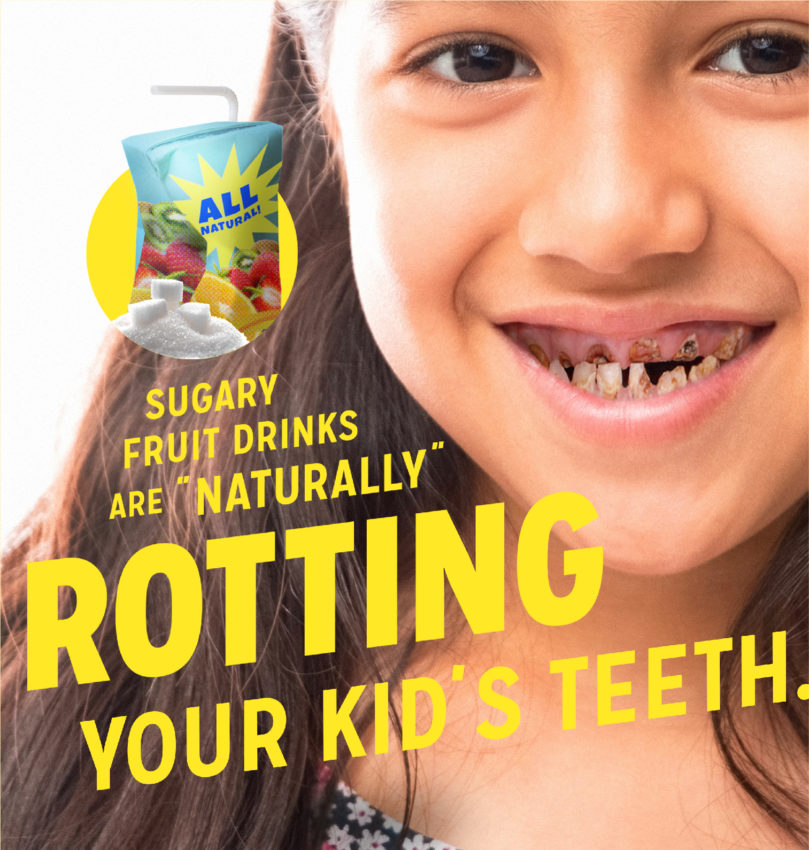
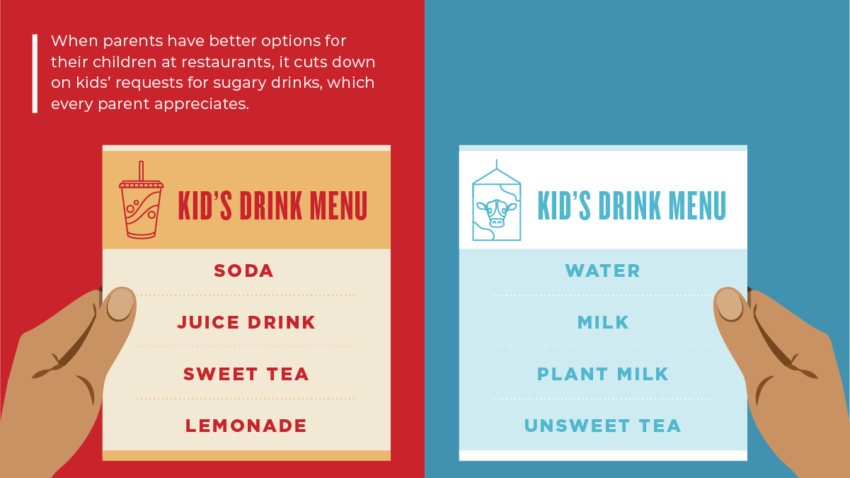
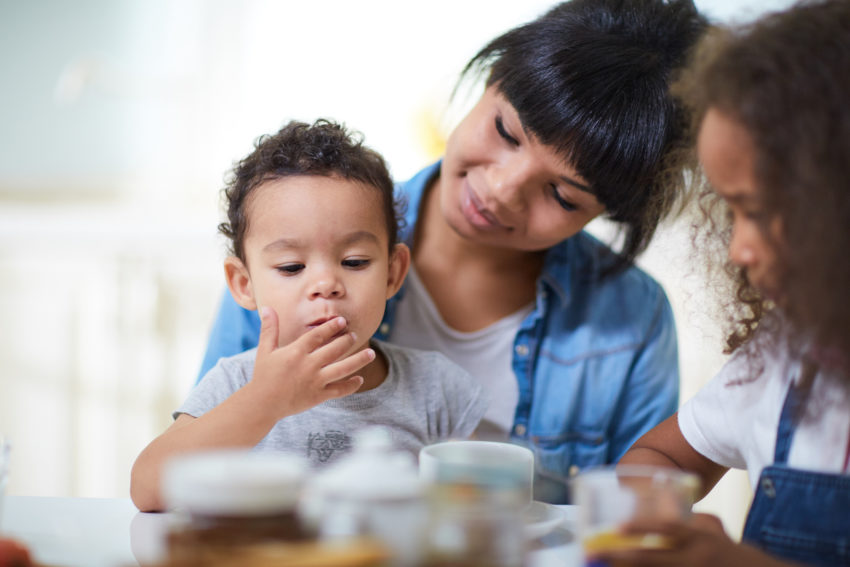
Young Latino kids drink too many sugary fruit drinks. Unfortunately, sugary fruit drinks that claim to be natural are often just fruit-flavored beverages that have added sugar and are just as unhealthy as soda. This is a contributing factor to the high rates of obesity, diabetes, high blood pressure, and cardiovascular issues that Latino kids often face. That’s why there’s a new toolkit called “The Truth About Fruit Drinks” from researchers at the University of Washington, University of Pennsylvania, and Interlex Communications with support from Healthy Eating Research and the Arcora Foundation. “This toolkit contains an evidence-based social media messaging campaign for countering beverage industry marketing and decreasing the purchase of fruit drinks by Latino ...
Many Latino families struggle to get enough food to feed their families. Even if they do get enough food, what they have access to is often unhealthy and nutritionally vacant. This contributes to a higher risk for adverse health conditions such as diabetes, heart disease, and other health conditions. We need nutrition security. This means having consistent access to and availability and affordability of foods and drinks that promote well-being, while preventing — and, if needed, treating — disease. In honor of American Heart Month in February and National Nutrition Month in March, let’s use #SaludTues on Tuesday, Feb. 1, 2022, to discuss emerging strategies to change environments, systems, and policies to encourage nutrition security and healthier hearts for Latinos and ...
California can no longer punish cities for enacting sugary drink taxes, as per an October 2021 court ruling that declared the penalty provision of the state’s Keep Groceries Affordable Act of 2018 unconstitutional. The lawsuit was filed in 2020 by Cultiva La Salud and supported by ChangeLab Solutions and the American Heart Association. The implications of the ruling are widespread throughout the state. Charter cities, which include many of the largest cities in the state, can consider taxes that aim to reduce purchases of sugary drinks and help community nutrition with the revenue without the fear of punishment. Before this, the state could penalize a charter city that enacted a tax on sugary drinks by depriving the city of its sales tax revenues. Sales taxes often account for ...
By Reena Singh
Guest Blogger, Voices for Healthy Kids Voices for Healthy Kids recently completed research to get the Latino community’s take on sugary drinks and sugary drink taxes. The research identified several messaging findings and strategies to help engage the Latino community in efforts to reduce the consumption of sugary drinks. Specifically, the research found after receiving more information, support for sugary drink taxes jumped 28%. So, what did we learn about building relationships and engagement with Latino communities on efforts to increase access to healthy beverages and reduce the consumption of sugary drinks?
1. Materials and Messages Need to Be in Spanish and English
45% of Latinos in the survey reported they speak Spanish daily. The majority (62%) of ...
Sadly, food insecurity ─ being without reliable access to a sufficient quantity of nutritious food ─ is common in the United States. This is especially true for Latinos and other people of color. U.S. Latino and Black households are more likely to suffer food insecurity (16.2% and 21.2%, respectively), than the national average (11.1%), according to USDA data, Salud America! reports. COVID-19 is making the situation worse, too. Let’s use #SaludTues on Tuesday, June 1, 2021, to discuss emerging strategies to reduce fod insecurity and improve healthy food access for Latinos and all people during and beyond the pandemic! WHAT: #SaludTues Tweetchat: Strategies to Address Food Insecurity
TIME/DATE: 1-2 p.m. ET (Noon-1 p.m. CT), Tuesday, June 1, 2021
WHERE: On Twitter ...
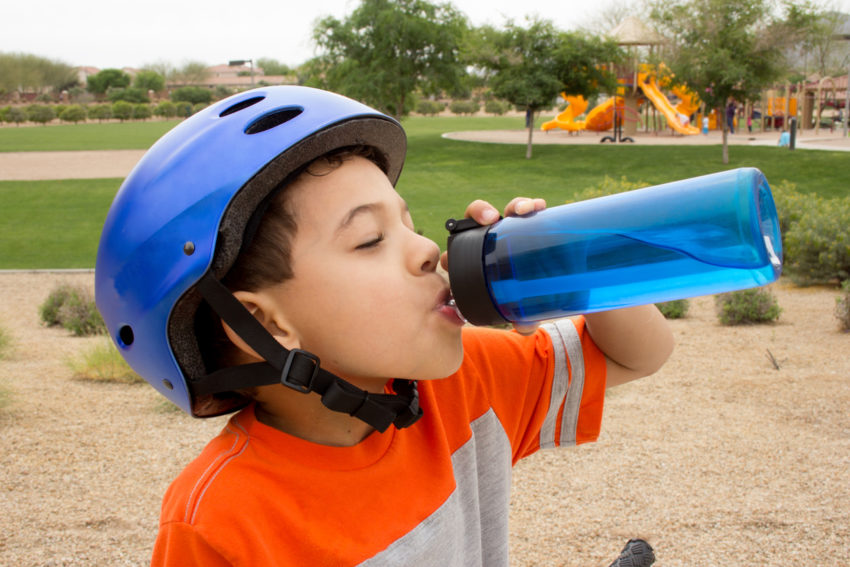
Countless children across the country struggle with access to healthy, clean water at school. Schools that provide their students with water bottle refill stations can significantly improve their health over time. Cities and states throughout the U.S. are doing just that by installing these kinds of fountains in their schools. Legislators in Arkansas (7.7% Latino), with the help of the American Heart Association (AHA), recently passed a law to require all new schools built in the state to provide a water bottle fountain to their students. “We know drinking enough water can improve a child’s performance in school, making it easier for them to learn,” said Dave Oberembt, government relations representative for the AHA in Arkansas, in a statement. “Substituting water for ...
Latinos across the US are reminding leaders and businesses of one simple fact: There is only one Earth and everyone must play a part in protecting it. It’s why advocates are doing all they can to make a difference in the lives of those impacted by the severe impacts of climate change — including urging for greater protection of the world’s oceans. Without immediate action, the effects of global warming will continue to wreak havoc across the globe, especially for commentates of color and other disadvantaged groups. It’s facts like these that are causing Latinos to develop a strong voice for environmentalism, according to a recent report from the Hispanic Access Foundation. “We know that the U.S. Latino connection to the ocean and coast is strong, historical and ...
In Oakland and other California cities, education leaders have launched a new initiative to provide students with clean water through water bottle filling stations in schools. These filling stations aim to provide not only filtered drinking water to students, they also combat unnecessary plastic waste. In the era of Climate Change, these kinds of programs can often be the first step in making wide-sweeping changes in communities. Water bottle filling stations can make a big impact on student health and academics, according to water bottle filling station group, FloWater. “Well-hydrated students have a better chance of performing better in school due to increased focus, improved energy, and added health benefits for the body,” the group writes. “A more sanitary place to fill ...