A lot goes into the decision to get pregnant with a baby. More than being a physical, mental, and emotional decision, it’s also become a larger financial decision that parents must weigh before starting or adding to their families. And the costs don’t stop after you bring the baby home from the hospital. Many parents are burdened by the rising costs of childcare. What’s more, the decision is also heavily influenced by access to prenatal care, postpartum support, affordable healthcare, childcare, and other community resources. A new report by WalletHub ranked the states by how expensive having a child is and health care outcomes based on access to care. Let’s break down the report’s findings, what they mean for child and maternal ...
As summer come to an end, children and families are gearing up for another school year. Between the school supplies, new clothes, and getting back into the routine of things, it’s important to ensure students and families are healthy and safe! With this in mind, let’s look at helpful reminders for back to school.
1. Keep a Sleep Schedule
Having a consistent sleep schedule can impact one’s health and wellbeing. For example, studies show an association between insufficient sleep and obesity. “Poor sleep is also linked with the likelihood of developing diabetes and, over a longer term, with heart problems,” according to the Children's Hospital of Philadelphia. Consistent sleep schedules also support emotional regulation and mood stability, cognitive ability, immune ...
People need social interaction to live a healthy life.
Yet many aging adults face social isolation, a lack of social contacts and few people to interact with regularly, and loneliness, the distressing feeling of being alone or separated.
How can we avoid social isolation and loneliness as we age?
Check out our new fact sheet, A Guide to Combating Social Isolation & Loneliness, to help our abuelos, familias, and amigos understand social isolation and loneliness and ways to combat them and avoid Alzheimer’s Disease and related dementias.
This fact sheet was created by Dr. Amelie G. Ramirez of Salud America! and UT Health San Antonio and its partner the San Antonio Center for AD/ADRD Population Aging and Social Studies (San Antonio CAPAS) at UT Health San Antonio.
get THE FACT ...
The Rural Health Information Hub (RHI Hub) and the NORC Walsh Center for Rural Health Analysis have created the Rural Mobile Healthcare Toolkit to help organizations start mobile healthcare programs in rural areas. The toolkit highlights model programs and contains resources for program development, implementation, evaluation, and more. Let’s take a closer look at the toolkit and why support for rural healthcare is important. Get the toolkit!
RHI Hub’s Rural Mobile Healthcare Toolkit
The Rural Mobile Healthcare Toolkit includes considerations and challenges that organizations may face when developing, implementing, evaluating, and sustaining mobile healthcare programs in rural communities. Additionally, the toolkit shares benefits and barriers of mobile healthcare, ...
August is Children’s Eye Health and Safety Month, a time that highlights the importance of protecting children’s vision. With this in mind, Salud America! has put together a list of helpful tools and resources for parents and families to learn more about children’s eye health and vision.
1. Prevent Blindness
Through Prevent Blindness, the National Center for Children’s Vision and Eye Health is a place where parents and caregivers can find a multitude of support. Health education resources, including vision and eye health presentations and webinars and children’s vision fact sheets, posters, reports, and publications. There are also plenty of resources for parents and caregivers with children who have vision problems or impairment. In collaboration with the National ...
Only 30% of Latino adults have earned an associate degree or higher, compared to about 50% of all adults, according to a new data from Excelencia in Education. “Enrollment gains have not translated into closing gaps in degree attainment — a persistent gap documented,” according to Excelencia in Education. Let’s dive deeper into degree attainment and why it matters for Latinos and all people.
Latino Degree Attainment by the Numbers
There’s some good news in Latino degree attainment. Latino attainment of an associate degree or higher increased by 8 percentage points and bachelor’s degree attainment increased by 6 percentage points, according to the new data. Despite this progress, Latinos have the lowest levels of ...
You’ve probably heard the phrase, “Such and such causes cancer,” more than a handful of times in your life. Some of these claims are true. Others are myths. False claims of using products or engaging in alleged cancer-causing behaviors can be detrimental for your health and contribute to the spread of incorrect information. But how do you know if a claim is true? Public health leaders created a helpful database, called Cancer FactFinder, that can help you determine if something is truly linked to cancer or if it’s simply a myth. Let’s go over the tool, how to use it, and its many applications.
Cancer FactFinder
Cancer FactFinder is a free, evidence-based database to address the spread of incorrect information about ...
1 in 6 Latinos in the U.S. live with a physical, sensory, intellectual, or mental disability that impacts how they navigate life and health, according to the Cisneros Institute. Tailored healthcare resources can help. This includes treatment for alcohol use disorder that addresses the unique needs of people with disabilities – who are diagnosed with alcohol use disorders at more than three times the rate of adults without disabilities, according to a new study by Boston University. Let’s dig deeper into this research and why it matters for overall health. Alcohol Use Disorders among People with Disabilities Alcohol use disorder is “a medical condition characterized by an impaired ability to stop or control alcohol use despite adverse social, occupational, or health ...
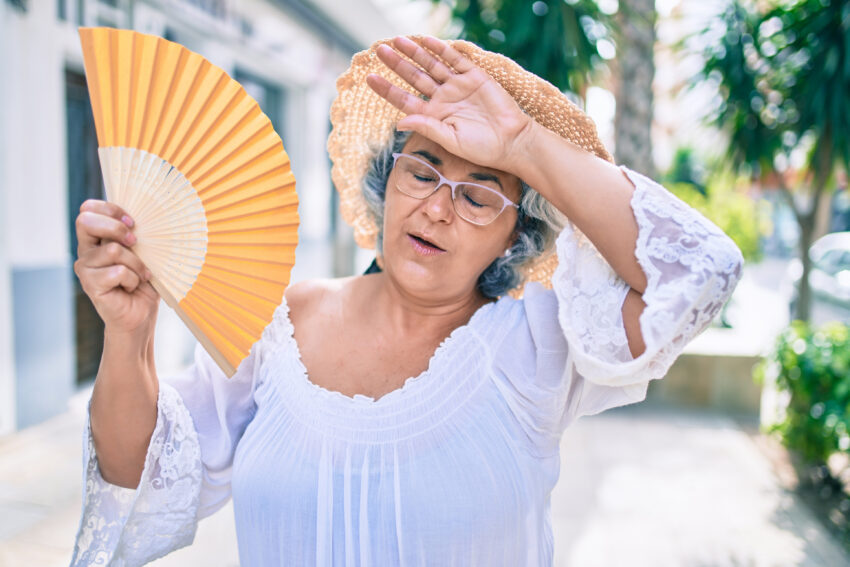
Summer has officially kicked into high gear. With many cities across the U.S. experiencing unprecedented heat, it’s important to know how your age impacts your body’s response to extreme heat conditions. Aging adults are some of the most vulnerable populations to the harmful effects of heat. Seniors, especially those with chronic health conditions, have a harder time cooling their bodies, sweat less, and have dulled sense of thirst. Medications can interfere with their body temperature regulation system. Exposure to extreme heat can also cause long-term adverse health effects like increased risk for cognitive decline for aging adults. Whether attending outdoor family gatherings or splashing in the pool with the grandkids, here is ...