Wherever you live, learn, work, and grow in San Antonio, the non-medical drivers of health (NMDOH) can ultimately shape your health outcomes. NMDoH issues include access to affordable housing, healthy food, reliable transportation, education, healthcare, income level, and more. If we can identify and address NMDoH, we can create a healthier future for all. Download the Salud America! Action Pack, “Help People Solve Their NMDoH Problems in San Antonio,” to connect people with the right community resources for help with housing, food, transportation, and healthcare. The action pack, developed by Dr. Amelie G. Ramirez at UT Health San Antonio, helps you identify local NMDoH issues and offers a San Antonio-focused community resource guide with Spanish-language support and ...
Quality childcare plays an important role for parents, children, and the economy. Yet America has a fragmented childcare and early learning system that doesn’t meet the needs of families, businesses, or early educators, according to a new report from the organization Child Care Aware of America. The report unpacks the childcare funding landscape throughout the U.S. “Families struggle to find and afford child care, the child care workforce is woefully underpaid, child care programs operate on razor thin margins, and businesses are suffering lost productivity and workforce turnover due to child care issues,” according to the report. Let’s dig deeper into these issues and how they can impact children and their families.
1. States Are Still Not on an Even Playing Field ...
Cancer persists in the US, especially in overlooked communities. Many of these groups suffer disproportionate cancer rates and worse outcomes, due to long-standing issues that formed differences in education, economic status, access to screening and care, and more. That’s why April is dedicated to bringing awareness and solutions to the challenges these communities face in areas such as cancer prevention, diagnosis, and treatment. Here are seven ways to celebrate National Minority Cancer Awareness Month.
1. Learn About Differences in Cancer Outcomes
Did you know that where you live can dictate your health and what kind of health care you receive? Where you live can increase your risk of adverse health effects, such as hypertension and diabetes, that make you ...
Según investigadores de la Universidad Columbia en la Ciudad de Nueva York, uno de cada 10 adultos mayores de los 65 años de edad en los Estados Unidos padecerá demencia, y otro 22% presentará algún tipo de deterioro cognitivo leve. La buena noticia es que usted puede reducir su riesgo de desarrollar la enfermedad de Alzheimer y la demencia. De acuerdo con la Alzheimer’s Association, aquí le presentamos 10 cambios positivos que pueden realizarse para disminuir el riesgo de deterioro cognitivo y mejorar la salud en general.
1. Protéjase de las lesiones cerebrales
Las lesiones cerebrales traumáticas se han vinculado con un mayor riesgo de desarrollo de la demencia. Según un estudio que examinó la relación entre las lesiones y el deterioro cognitivo, un golpe ...
April is National Parkinson’s Awareness Month, a great time to share helpful resources that can spread awareness about Parkinson’s disease. Parkinson’s affects more than 1.1 million people in the U.S. and is the second-most common neurodegenerative disease after Alzheimer's disease. With this in mind, let’s learn more about Parkinson’s, how it impacts patients and families, and resources to share during Parkinson’s Awareness Month.
What Is Parkinson’s Disease?
Parkinson’s disease is defined as a “type of neurologic movement disorder, affecting the brain and causing difficulty with movements, or motor symptoms.” While Parkinson’s can be characterized by its most common motor symptoms like tremors, stiffness or rigidity of the muscles, and slowness of ...
In the fictional hospital TV show The Pitt, a Latino family man is rushed to the hospital after passing out at his job. The cause of his fall? The man, who has diabetes, had only been taking half of his prescribed insulin dose following a loss in insurance coverage. Despite the threat to his health, he opts out of treatment due to its high cost, his family’s medical debt, and loss of work pay. He then leaves the hospital without being discharged only to return later the same day — this time on the brink of death. While this man’s story may be fictional, it represents a reality far too many Latinos and other people encounter — the choice between affording medical care and death. A recent KFF poll found that half of US adults can’t afford the rising ...
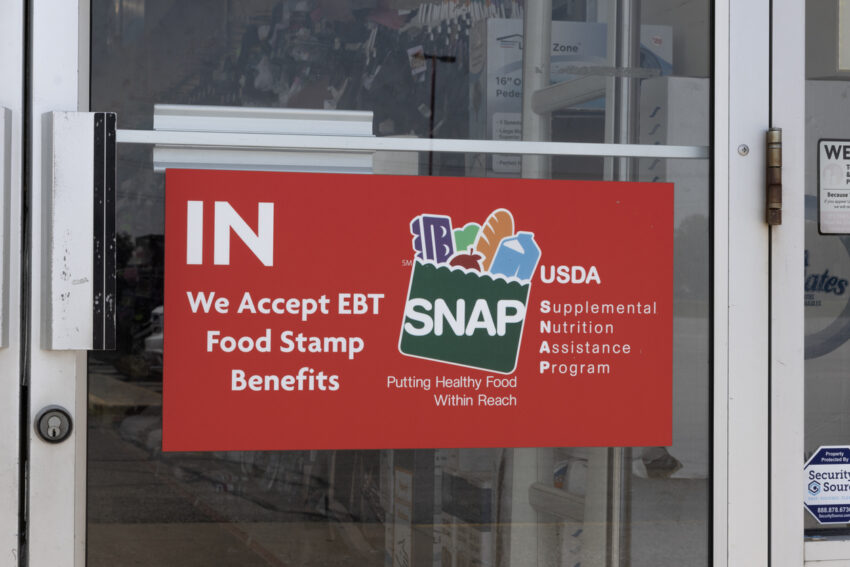
Starting April 1, 2026, Texas recipients of the Supplemental Nutrition Assistance Program (SNAP) will have new food purchase restrictions, including no candy and sugary drinks. These changes were made to comply with Senate Bull 379, which passed in June 2025 and is one of three bills under Texas’ “Make America Healthy Again” initiative, prohibiting the use of SNAP benefits to purchase less healthy foods and encouraging the purchase of more nutritious foods like fruits and vegetables. “In August 2025, the U.S. Department of Agriculture Food and Nutrition Service approved a healthy foods waiver that was submitted by Texas and allows the state to implement the SNAP limitations,” according to the Texas Health and Human Services Commission. With this in mind, let’s dive ...
With so many unknowns when it comes to Alzheimer’s Disease, researchers continue to investigate potential causes, risk factors, and treatments. Clinical trials are a major tool to help researchers make progress. These are studies with volunteers that enable advances that can slow, manage, and treat diseases such as cancer and Alzheimer’s for current and future family members. However, these trials only benefit everyone if they have a pool of participants that look like the rest of the population. For many reasons, including myths, lack of access to transportation, and time commitments, too few under-researched populations join clinical trials. But closing the gap on clinical trial participation doesn’t have to be a burden. Here are 3 clinical ...
As a state that has yet to expand Medicaid, Texas continues to fall behind other states when it comes to healthcare access, including maternal healthcare. Much of this has to do with the lack of access to affordable health coverage. According to a new report from UnidosUS, Texas is the country’s worst state when it comes to providing healthcare coverage for children. The report found that over 1 million children in Texas lacked health coverage in 2024 – a metric that accounts for 14% of the childhood population of the state. This is compared to the 6% of US children that were uninsured. What’s more, a staggering 66% of uninsured children in Texas were Latino. “Being born in Texas more than doubles the likelihood that a child will grow up ...