by
by 
Share On Social!
National Marrow Awareness Month is observed in November.
This is a time to recognize transplant physicians, pioneering researchers, and selfless donors who make life-saving stem cell and bone marrow transplants possible, according to according to OriGen Biomedical.
“Their combined efforts embody the true meaning of hope, healing, and humanity,” according to the company.
With this in mind, let’s explore how bone marrow donations can help others, recognize donors, and educate others about marrow and stem cell donation.
What is Bone Marrow and Why is it Needed?
About 18,000 people in the U.S. with leukemia, lymphoma, myeloma, and other serious blood disorders need a bone marrow or stem cell transplant to survive every year, according to the Columbia University Herbert Irving Comprehensive Cancer Center.
Patients experiencing these diseases sometimes need a bone marrow transplant if they are not responding to their standard treatment.
Marrow is “the spongy material that is found inside the bones, and it contains stem cells. These cells are in the very early stages of development and will eventually become white blood cells, red blood cells, and platelets,” according to the Rutgers Cancer Institute.
While some patients can have their own stem cells removed from the blood and given back after receiving high doses of chemotherapy, some patients need to have a donor provide the stem cells.
“The donor can be a relative (related donor), someone unknown to the patient (unrelated donor), or umbilical cord blood cells,” according to the Rutgers Cancer Institute.
How to Donate Bone Marrow
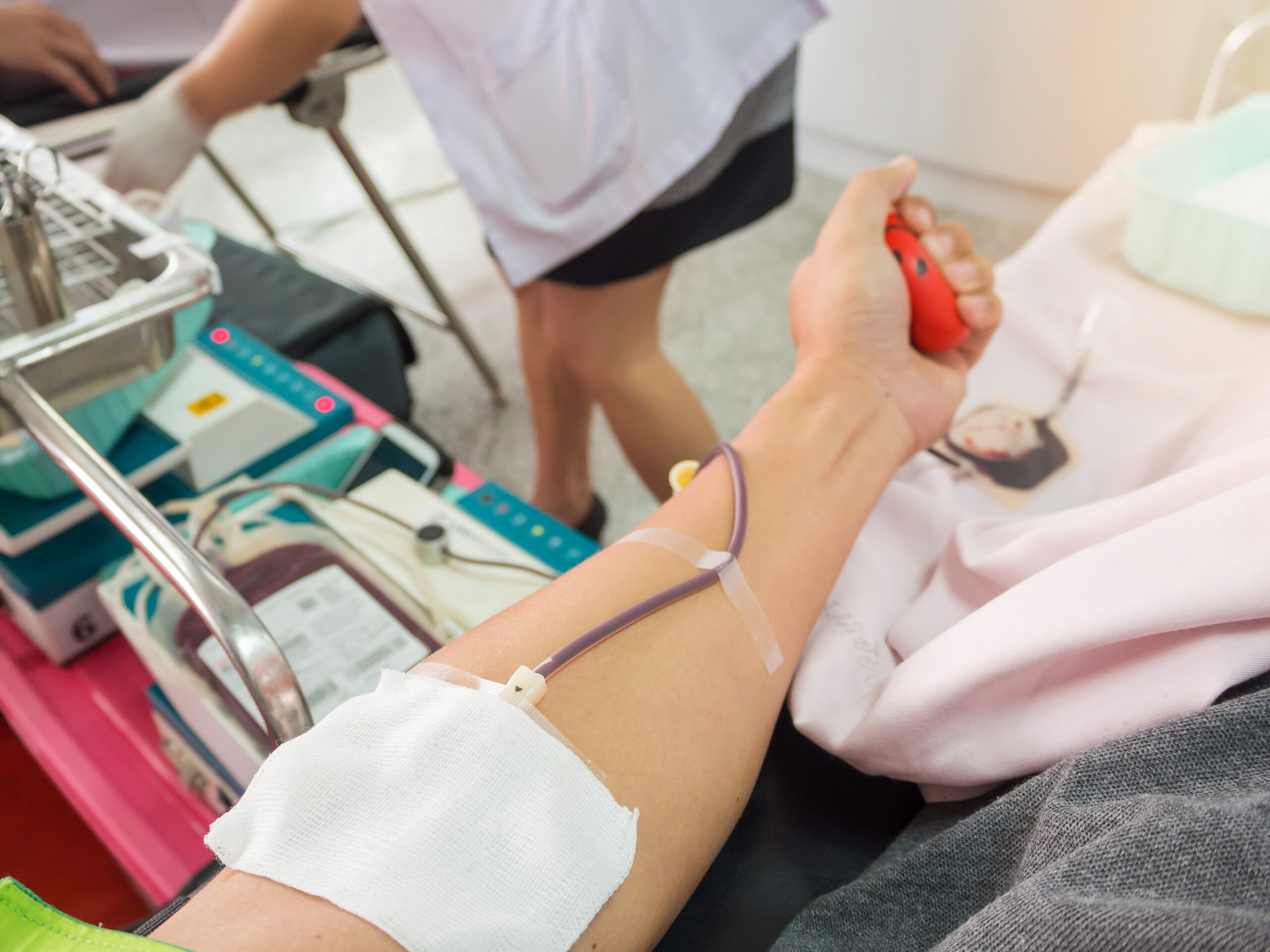
OriGen Biomedical lists simple steps to consider when thinking about donating, including:
- Reviewing your health history
- Learning about donation through educational resources
- Completing a consent form
- Taking a brief physical exam
- Providing a blood sample for testing
- Making your donation
“Physicians carefully evaluate donors to ensure optimal safety and health on both sides,” according to OriGen Biomedical.
Through the National Marrow Donor Program, people looking to donate can join the donor registry. Explore the registry webpage for additional information including eligibility, how donation works, and patient stories.
The Myelodysplastic Syndromes Foundation also provides a list of additional organizations and resources that can be viewed here.
“A close match between a patient’s and donor’s tissue type can improve the chances of a successful transplant,” according to the Health Resources and Services Administration. “When a patient searches for a donor, sometimes he or she finds a closely matched donor, sometimes not.”
Volunteer for a Clinical Trial for Your Familia!
It’s clear that marrow donations can save lives and help patients in need.
Cancer and Alzheimer’s hurt many of our abuelos, moms, dads, and others we love.
Clinical trials help us fight for our familia.
Clinical trials are studies that help researchers learn more to help slow, manage, and treat Alzheimer’s and cancer for current and future family members. But without volunteers for clinical trials, the benefits may miss this group. Visit our clinical trials page to find a clinical trial, read about hero volunteers, and more!
“Volunteers in clinical trials are not only helping themselves, but they’re also building a future with better treatments that can help their families in the future,” said Dr. Amelie Ramirez, director of Salud America! and the Institute for Health Promotion Research at UT Health San Antonio.
Those looking for opportunities based in San Antonio can search the Mays Cancer Center at UT Health San Antonio’s Find a Clinical Trial database to learn more about available clinical trials and eligibility requirements.
On a national level, visit clinicaltrials.gov to find a clinical trial near you.
Explore More:
CancerBy The Numbers
142
Percent
Expected rise in Latino cancer cases in coming years