For 30 years, a group of small community health centers have provided primary healthcare to residents in Maricopa County, Ariz. (30% Latino population). A few years ago, center leaders Dr. Avein Saaty Tafoya and Lisa Blue recognized that local residents continued to face cultural, language, financial, and other barriers to proper comprehensive healthcare. They felt compelled to change the entire approach of their centers. Adelante Healthcare began to seek grants and partnerships to add personnel to expand beyond their historical focus on primary care. Today their new team—primary care physicians, specialists, bilingual health coaches, mental and behavioral health social workers, and others who connect families to insurance, health education, and more—provides more ...
A quality education is key to health, science shows. Latinos are making progress in educational achievement. The Latino high-school dropout rate is at an all-time low. Graduation rates are at an all-time high. More Latinos are enrolling in two- and four-year universities than ever before. But there remains a large educational gap between Latinos and their peers. A new initiative by the Chan Zuckerberg Initiative (CZI), founded by Facebook CEO Mark Zuckerberg and his wife, and The College Board is trying to significantly close this gap. The two-year effort aims to expand access to “unique personalized learning pathways” to help lower-income and rural area students prepare for key “college gateway tasks,” such as the PSAT, SAT and Advanced Placement courses.
What's ...
A lack of access to quality healthcare coverage has been one of the most persistent causes of health inequity for many Latino families. Despite significant gains made under the Affordable Care Act (ACA), Latinos still remain the largest uninsured population in the country. In May 2016, the Department of Health Care Services (DHCS) of California (38.39% Latino population) implemented new legislation that allows for all children in the state under the age of 19 to be eligible for full Medi-Cal benefits. Previously, undocumented children would have only received emergency care benefits through Medi-Cal and would not have had access to dental or mental health care. From May through April of 2017, 189,434 undocumented children had been signed up for the “Medi-Cal for All Children” ...
Despite being the country’s largest racial and ethnic minority group and despite the fact that the Latino population in the United States is growing at exponential rates, they suffer from vast differences in health conditions compared to whites. These health disparities are rooted in “social disadvantage” and affect Latinos in their abilities to access quality healthcare, attain better paying jobs and quality education. With serious issues plaguing them, what can be done? The National League of Cities recently collaborated with the George Washington University Milken School of Public Health to analyze the options that cities have in addressing the educational and healthcare needs of residents. In order to reduce health disparities, it is critical to address ...
Mental Health is a growing public health concern in the United States. According to the Substance Abuse and Mental Health Administration, during any given year, nearly 25% of the population has a diagnosable disorder, two-thirds of which goes untreated. According to a new study, an estimated 8.3 million adults in the U.S. (close to 3.5%) suffer from serious psychological distress. What’s worse, many are unable to get the help they need to either treat there conditions or even get a diagnosis. Latinos reported the highest stress across four major sources of stress including money, employment, family responsibilities and health concerns, a recent survey reported. In order to reduce health disparities, it is critical to address inequities in programs, practices, and ...
Bullying is defined by stopbullying.gov as “unwanted, aggressive behavior among school aged children that involves a real or perceived power imbalance”. In grades 6-12, 28% of students experienced bullying and approximately 30% of kids admit to bullying others. Most bullying occurs in school, although this can also happen on the internet and through cell phones. This is called cyberbullying. Rates of cyberbullying have nearly doubled over the past ten years from 18% in 2007 to 34% in 2016 as more kids have access to cell phones and social media. Kids who are bullied can experience physical, mental, and educational problems. Physical problems such as headaches, muscle pain, upset stomach, changes in weight, and decreased ability to fight infections are associated with the ...
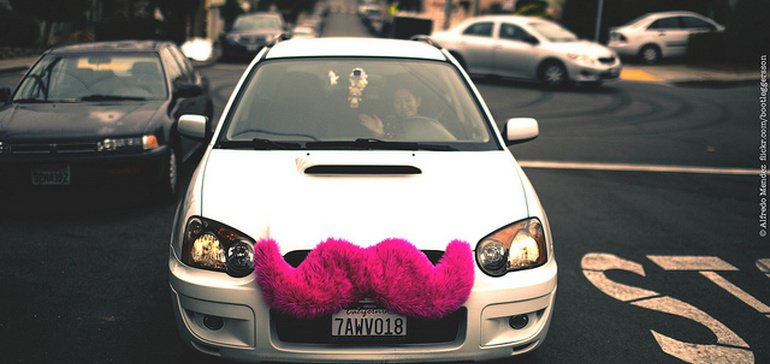
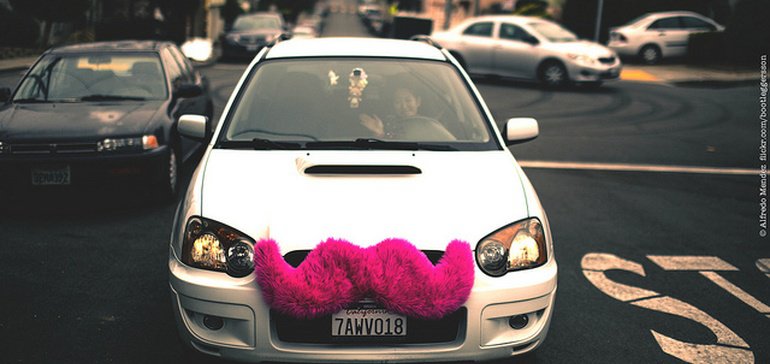
Latinos often face many obstacles that prevent them from obtaining health equity. One of the bigger hurdles they frequently have to overcome is a lack of access to quality healthcare. Lack of transportation equity prevents many Latinos from regularly accessing preventative care. According to the Community Transportation Association of America, about 3.6 million patients miss medical appointments each year because of transportation issues. A new, unique initiative between Blue Cross Blue Shield (BCBS) and an unlikely partner is looking to alleviate some of these concerns. The rides-sharing service Lyft is partnering with the health coverage provider to help cut down on missed healthcare appointments. In order to reduce health disparities, it is critical to address ...
Latinos often face hurdles like language, culture, and cost to get proper healthcare, which contributes to heavier disease burdens and health inequities. Transportation is another big hurdle to healthcare access. In fact, 3.6 million patients miss medial appointments each year due to transportation issues, according to the Community Transportation Association of America. A new partnership between ride-sharing service Lyft and major healthcare insurer Blue Cross Blue Shield (BCBS) are forming an unlikely partnership to solve the issue. BCBS will offer free Lyft services to its members as part of a new service delivery model for select companies to reduce missed appointments for nonemergency care in areas that lack adequate transportation options, HealthCare Dive ...
Latinos are the largest ethnic and racial minority group in the country and their numbers are rapidly growing. They are expected to grow from 1 in 6 people today to 1 in 4 by 2035 and 1 in 3 by 2060. Despite their prevalence in the country, Latinos suffer vast differences in health conditions compared to whites. These health disparities are often rooted in social disadvantage. Health inequities are found in several often unavoidable areas, including housing segregation, access to care, income, and educational attainment. Latino children currently make up roughly 25% of all children in the United States. Given this substantial number, how they fare academically will have a massive impact on the social and economic well-being of the country as a whole for generations to ...