What you eat can affect your cancer risk. That's important for Latinos, for whom cancer is the No. 1 killer. Cervical, liver, and prostate cancer are some of the most common types that disproportionately affect Latinos. How can food help? Your diet can help combat cancer. This is not a new concept—the team behind SaludToday has even published a cancer-fighting cookbook along these lines. But one hospital is taking the idea to the next level.
Food vs. Cancer
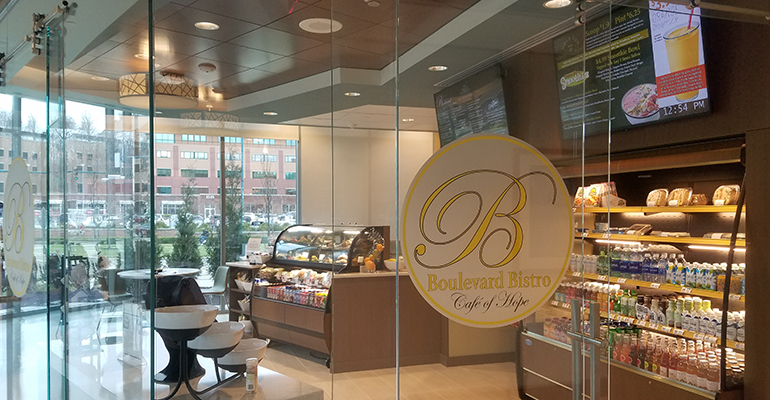
At the Kettering Cancer Center, part of the Kettering Health Network, in Kettering, Ohio (1.9% Latino population), planners have created an on-site healthy food café with a menu full of antioxidant-rich, high-protein foods, food management reports. The menu is ideal for cancer patients. When planning the menu, ...
There is an undeniable link between education and health. In fact, educational attainment is one of the key social determinants of health. Lack of access and opportunity are often some of the barriers that keep many Latinos from furthering their education beyond high school. However, the numbers from several studies have pointed to the fact that Latinos are making some headway into earning more degrees from two- and four-year universities. One study from Excelencia in Education correlates the rise in Latino enrollment with the growing number of Hispanic-Serving Institutions (HSIs) in the U.S. HSIs are defined by federal law as “accredited and degree-granting public or private nonprofit institutions of higher education” that have 25% or more total undergraduate Hispanic ...
As part of National Minority Health Month 2017, the Centers for Medicare & Medicaid Services, Office of Minority Health (CMS OMH) released two reports detailing the type of care received by individuals as part of Medicare Advantage (MA). “This is the first time that CMS has released Medicare Advantage data on racial and ethnic disparities in care separately for women and men,” said Dr. Cara James, Director of the CMS Office of Minority Health in a news release. “Showing the data this way helps us to understand the intersection between a person’s race, ethnicity, and gender and their health care.” One report focuses on gender and revealed “sizable differences” (both positive and negative) in the quality of treatment for certain conditions among MA ...
Water Wellness Alert!!! Did you know that between 50-75% of your body is made of water? Drinking enough water to keep your body hydrated is an important part of staying healthy for kids and adults. One of the simplest ways that we can make sure that kids are drinking adequate water (and skipping the sugar-sweetened beverages!) is to include access to drinking water in school wellness policies. Including water in your policy helps to keep it top of mind for school staff and ensures that water won’t become less of a priority if the administration changes. Now is a great time for schools to update their wellness policies. All schools participating in federal nutrition programs must update their policies to comply with the U.S. Department of Agriculture’s final rule by June 30, ...
More Americans than ever before are stressed, depressed, and coping with anxiety on a regular basis. According to a new study, an estimated 8.3 million adults in the U.S. (close to 3.5%) suffer from serious psychological distress. What’s worse, many are unable to get the help they need to either treat there conditions or even get a diagnosis. In a separate report, the American Psychological Association (APA) found disparities in their recent Stress in America survey, noting that Latinos in particular suffer from the highest levels of stress. “Latinos reported the highest stress across four major sources of stress including money, employment, family responsibilities and health concerns,” the survey said. From the survey, 1 in 5 Latinos report never having engaged in any ...
Many factors influence early childhood development, school readiness, and health. For example, Latino parents are less likely to engage their children in preliteracy activities or read books to them leading to cognitive and oral communication gaps in Latino children. Culturally relevant parent counseling, education and support can play a huge role in childhood literacy and health, because kids who do better in school become healthier adults. Three groups in Walla Walla, Washington (21.6% Latino) worked together to create a 10-week series of FREE parenting master classes, Abriendo Puertas-Spanish for Opening Doors-that use a Latino cultural perspective and are taught in Spanish. The three groups are, Walla Walla Valley Early Learning Coalition, the Walla Walla Community College ...
Nearly 1 in 5 Latinos suffers a mental health problem. But Latinos are less likely than other groups to seek out treatment for mental health conditions. They fear being stigmatized. They lack of health insurance. They face cultural barriers. Or they simply a fail to recognize symptoms. That’s why we at Salud America! are spotlighting heroes who are improving mental health for Latino families!
Irán Barrera: Helping Latinos Answer Mental Health Questions
Dr. Irán Barrera believes there is a difference between mainstream mental health and Latino mental health. Latinos don't use words like anxiety, depression, or post-traumatic stress. This means health professionals need training to address Latinos' mental health needs. That's why Barrera applied for and received ...
Barbara Berger was more than concerned—she was downright worried about the growing weight and health of her students. The school dietitian in Las Cruces, NM (67.1% Latino population), found it hard to promote healthy eating and physical activity to her teenaged students. That was, until she let students do it themselves in a way that would engage students in a fun, creative story-telling experience. Through the use of creative films and videos, Berger found that the students were not only able to help solve real-world health problems, they had fun and gained valuable life-skills while doing it.
Opening Credits: A Video Idea to Help Middle-Schoolers
Barbara Berger has been involved with health and nutrition education since 2012 for the Las Cruces Public School ...
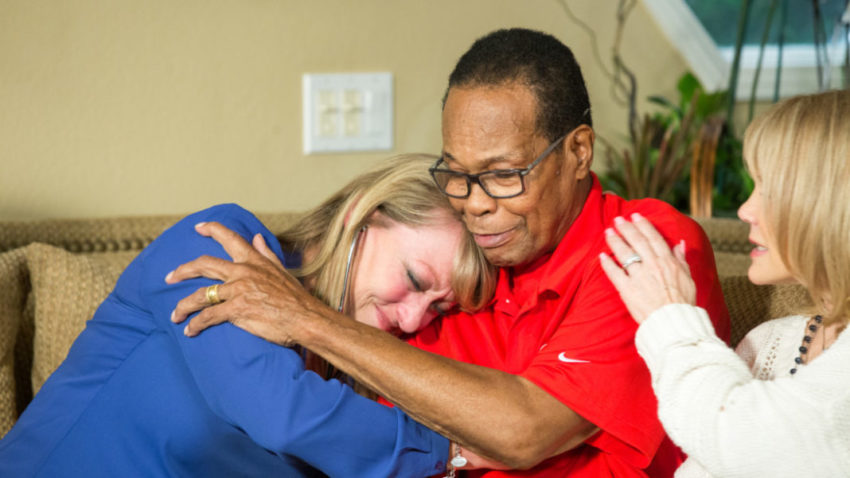
Rod Carew, miembro del Salón de la Fama del béisbol y reciente receptor de un trasplante, sabe ahora a quién le pertenecieron el corazón y el riñón que lo mantienen vivo: a Konrad Reuland, tight end de la Ravens y Jets y 49ers quien murió después de la ruptura de un aneurisma cerebral. Se cree que es el primer trasplante de su especie entre atletas profesionales, pero ese es solo uno de los muchos vínculos que comparten estos dos deportistas. Otro de ellos es que Reuland acudió a la misma escuela secundaria que los hijos de Carew. Los caminos del donante y del receptor ya habían coincidido desde antes. Hubo amigos mutuos que fueron atando los cabos entre la muerte de Reuland y la segunda oportunidad de vida de Carew. Las familias colaboraron para confirmarlo. Luego ...