A recent study uncovered some alarming facts about cervical cancer. Women are dying at higher rates from cervical cancer than previously thought. Cervical cancer is one of the most preventable cancers. By getting regular Pap tests, doctors can find and treat abnormal cells in the cervix before they become cancerous. Latinas already have the highest rates of cervical cancer among all groups of women. Cervical cancer disproportionately impacts the Latino community at 9.7%, compared to non-Latinos at 7.1%, according to the Centers for Disease Control and Prevention (CDC). The American Cancer Society also notes that in just this year alone, more than 12,820 cases will be diagnosed, and 4,210 women will die from the disease. Even more important, perhaps, is that it is the ...
It has long been known that where you live greatly impacts a person’s overall life and their potential future success. Environment affects health, income, education, and access to opportunities. Many Latinos are often forced to live in low-income, high-poverty, and high-crime areas through a variety of obstacles and barriers put into their paths. A report from the Metropolitan Planning Council and Urban Institute attempted to determine the real cost of racial segregation in housing. According to the report, this situation is costing the country as a whole billions of dollars each year. “Our study documents the relationships between segregation and the incomes, educations and safety of a metropolitan region’s residents,” said Greg Acs, the director of the Income and Benefits ...
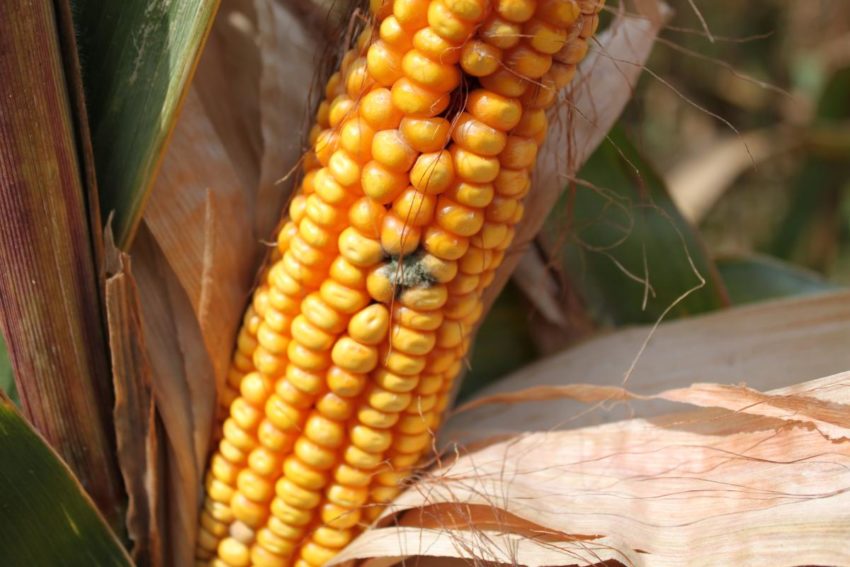
Even as U.S. cancer rates decline, liver cancer rates remain on the rise, especially among Latinos. But why? A new UT Health San Antonio study found that Latinos with liver cancer had much higher levels of aflatoxins than those without liver cancer. Alfatoxins are cancer-causing chemicals produced by mold that can contaminate improperly stored foods. People can ingest aflatoxins in contaminated corn, nuts, rice, sesame seeds, wheat, and some spices. For the study, researchers gauged aflatoxin exposure in 42 liver cancer cases and 42 non-cases from clinics in San Antonio, Texas. Two-thirds of the pairs were Latinos. Liver cancer cases had 6 times higher odds of having detectable levels of aflatoxins in their blood, compared to non-cases. "This study means that Latinos ...
Most Latina and black women do not eat a healthy diet before pregnancy, despite its many benefits, according to a new study. A healthy maternal diet can reduce risk of obesity, preterm birth, and preeclampsia. The study scored the diets of 7,500 women in the weeks leading up to pregnancy. No women in any racial/ethnic group met the Dietary Guidelines for Americans, according to study leader Lisa Bodnar of the University of Pittsburgh. Only about 25% of white, 14% of Latina, and 5% of black women had well-scored diets. Soda was the primary contributor to energy intake among Latina an black women, according to the study. "Our findings mirror national nutrition and dietary trends. The diet-quality gap among non-pregnant people is thought to be a consequence of many factors, ...
Abril es el Mes Nacional de la Salud de las Minorías. Este es un tiempo dedicado para concientizar a la comunidad hispana acerca de los altos riesgos de adquirir ciertas enfermedades entre nuestra comunidad. Visita el sitio web de la Oficina de Salud de las Minorías de HHS para descargar materiales, encontrar eventos y compartir tu historia. Nunca es demasiado temprano para tomar medidas y nunca demasiado tarde para comenzar el manejo de la atención hacia enfermedades de las cuales los latinos pueden ser más propensos, por ejemplo la diabetes, la obesidad y el cáncer de seno. Si se trata de una joven aprendiendo sobre su riesgo de cáncer de seno y cuando empezar a hacerse estudios preventivos, o si se trata de un adulto mayor que busca opciones de tratamiento para ...
More Latino youths are not in school and not working than white youths, according to a new report. These youth—also called "disconnected"—face hurdles as they become adults where they live. This includes lower rates of education, and higher rates of child poverty, unemployment, and teen births. 1 in 8 U.S. youths ages 16-24 are "disconnected." Disconnection, a new measure in the new 2017 County Health Rankings, creates health and economic issues. "Youth disconnected from opportunity—meaning the chance to advance in school, gain work experience, form relationships, and build social supports in the community—represent untapped potential to strengthen the social and economic vibrancy of our communities," according to the report.
How to Help
The County Health Rankings, ...
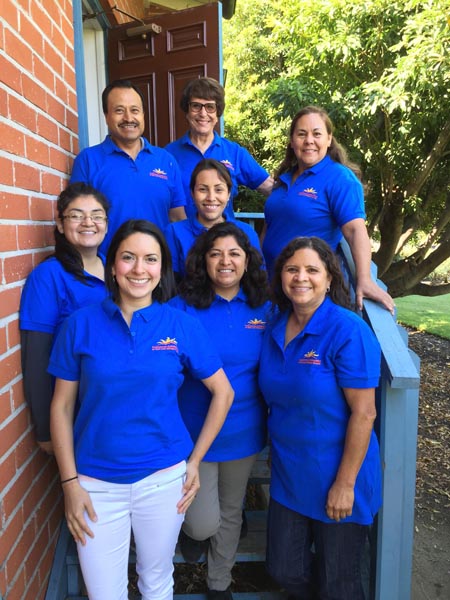
Promotores de salud have long been recognized as being able to break down barriers that keep many Latinos from obtaining quality, accessible health care. Often members of the community in which they do outreach, promotores are able to foster trust with the Latino population they serve. In San Luis Obispo, Calif. (16.36% Latino population), the Promotores Collaborative looks to have moved the area’s Latino community onto the “fast track” of being able to access the city’s health resources. The group is an emerging prevention and health education organization that works in the community through neighbor-to-neighbor outreach. Created by the nonprofit Center for Family Strengthening, the Promotores Collaborative recruits, organizes, and trains networks of Spanish-speaking ...
Access is one of the main reasons many Latinos do not continue their education beyond high school. The lack of access to resources and information –especially financial literacy—keeps many Latino students from going to college. A new program in Pico Rivera, Calif. (90.63% Latino population), is looking to remove some of these barriers. Heberto M. Sanchez, President and founder of the nonprofit Latino Educational Fund (LEF), and Principal Jonathan Lyons of El Rancho High School in Pico Rivera have agreed to launch the Student Loan Board Program, a “forward thinking pilot program” aimed at advancing the financial literacy for their students. “This is a unique opportunity for our students to learn about how lending works through the LEF’s hands-on Student Loan Board ...
While colorectal cancer rates have gone down among older adults, they are spiking among Millennials and Generation Xers, recent studies disturbingly have found. Compared to people born in 1950, people born in 1990 have double the risk of colon cancer and four times the risk of rectal cancer, according to American Cancer Society researchers who analyzed data from more than 490,000 colorectal cancer cases in adults from 1974 to 2013. For Latinos, this is especially troubling information. Colon cancer is already the second-leading cause of cancer deaths among Latino men and the third-leading cause of cancer deaths among Latinas. “It’s extremely rare for an incidence of a disease to increase this much,” said Dr. Andrea Cercek, a gastrointestinal oncologist at Memorial Sloan ...