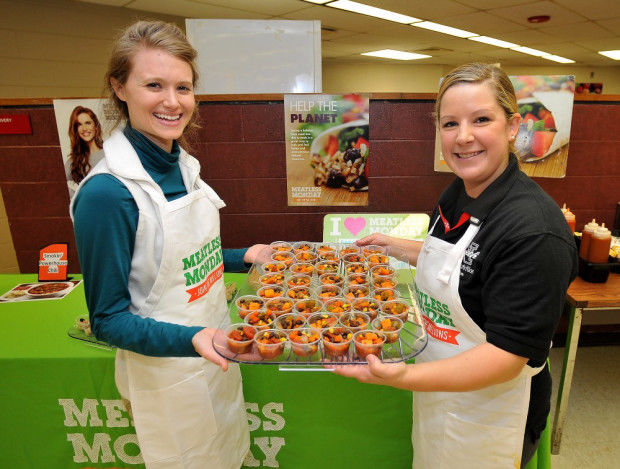
Heather Baril of North Attleboro's school district in Massachusetts (4.3% Latino) is working to take school nutrition a step further with her new tagline for the school's cafeterias: Feeding Healthy Futures. Baril is further extending the healthy changes made by school service teams across the district that helped introduce meatless Mondays and homemade pizza days by introducing more cooking-from-scratch and community-wide efforts to push healthy eating into schools. Baril hopes to implement school community gardens that will generate produce for school cafeterias and also work with local produce and chefs from local restaurants to create healthy and desirable dishes for students. How is she planning to make so many healthy food changes in the district? Reaching out to parents ...
It is a known fact that one of the most important social determinants of health is where you live. More and more local and state governments are realizing how important environment is to overall health and well-being. For Latinos, where they live is often leads to unavoidable health disparities due to lack of access to healthcare, healthy food choices, and educational opportunities. Recently U.S. News & World Report outlined the best and worst states to live in based on a host of categories that residents value the most. Categories include healthcare, education, infrastructure, crime rates, and economic opportunities.
The Top States
Massachusetts (10.56% Latino population) was rated No. 1. Not surprisingly, as Massachusetts is home to Harvard University, Williams College, ...
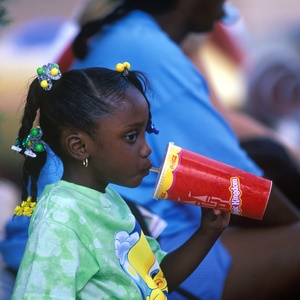
In Vhembe-Mutale school district, sugary drinks have been banned since the beginning of the school year. The change has been successful and popular according to Health24, as parents like Tambulani Mbedzi explained that her child was suffering from headaches and found out that it was due to drinking a lot of sugary drinks at school being sold by hawkers. Children would buy two or three bottles of sugary drinks at a lower price from these hawkers that were selling sugary drinks to kids at school. The deputy principal at the school, Rendani Nemufulwi complained that because of these hawkers, that would even try to sell to kids secretly, kids were drinking tons of sugary drinks at the school and were less inclined to eat nutritious foods. Parents are happy about the changes, ...
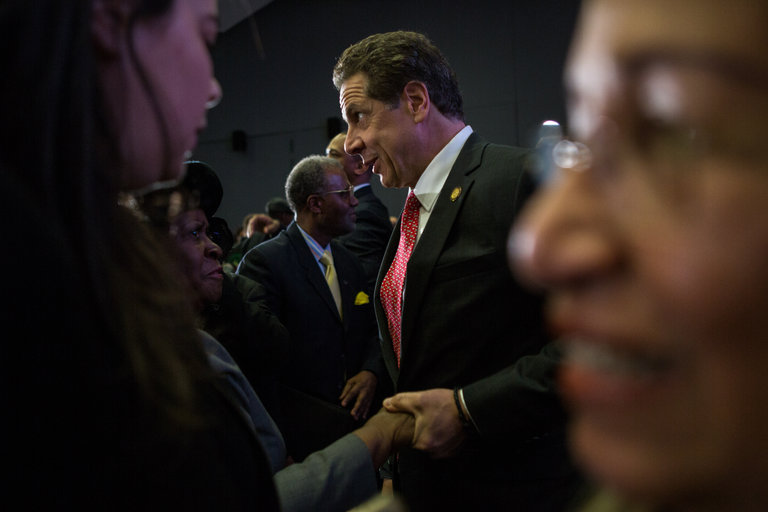
On Thursday, March 9, New York Governor Andrew Cuomo announced a plan to address “persistent problems of poverty, violence, and poor health” in the borough of Brooklyn (28.92% Latino population). The eight-pronged plan hopes to incorporate holistic approaches to address these concerning issues. The initiative, entitled Vital Brooklyn, looked to poor resources several economically struggling neighborhoods in Brooklyn. While much of Brooklyn has prospered in recent years, crime and unemployment are still rampant in certain areas. “For too long investment in underserved communities has lacked the strategy necessary to end systemic social and economic disparity,” Cuomo said in an interview with The New York Times. “But in Central Brooklyn those failed approaches stop today. We ...
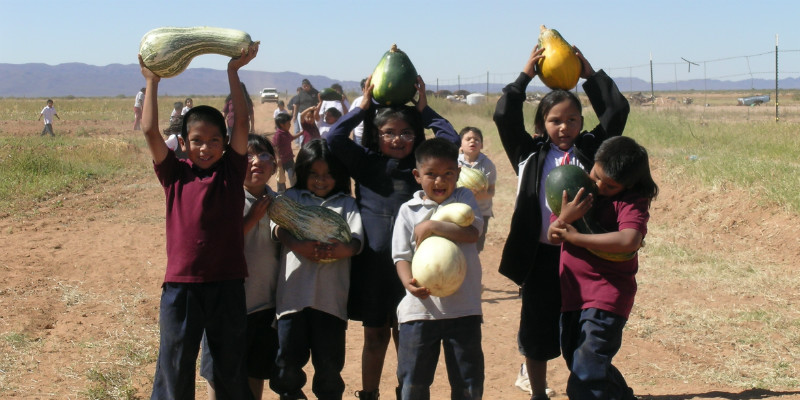
A new Farm to School project that aims to expand farm to school activities in Native communities is looking to give five $5,900 mini-grants to expand and promote farm to school in native schools. Many generations of native peoples of North America have celebrated a connection to land, food, and community, and use of traditional foods. This new project hopes to expand community-wide initiatives towards building food security around food sovereignty as well as bring traditional foods like blue corn and bison into school menus. To learn more about the grant opportunities, check out the Seed Change in Native Communities with Farm to School and apply here. Applications are due March 22nd, 2017 for schools or early child care and education sites that are looking to expand or jumpstart ...
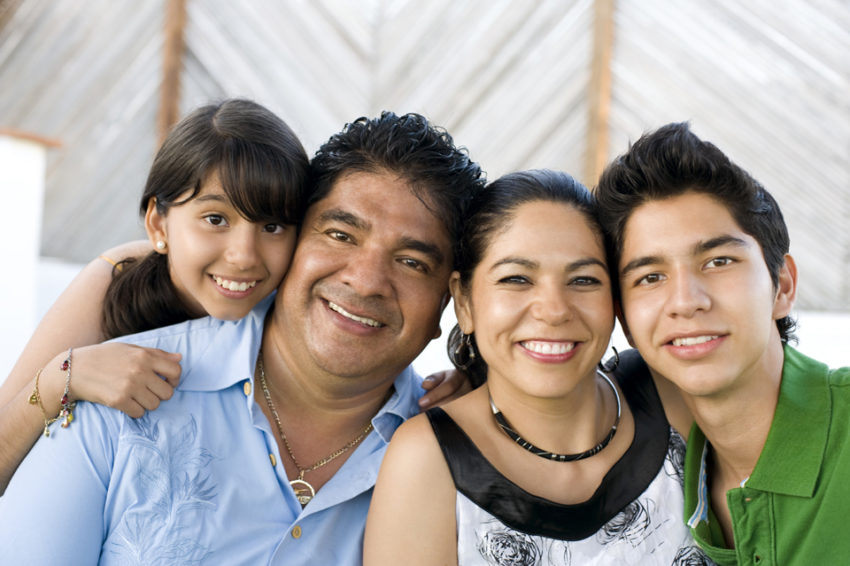
Already the largest and still-growing U.S. racial/ethnic minority, Latinos are a diverse people with distinct differences in origin, language use, and family characteristics. But what are the true Latino family dynamics? New research has confirmed what many already knew about Latino families: they are tightly-knit, resilient, and generally stable, according to a new report by the National Research Center on Hispanic Children & Families. The report, La Familia: Latino Families Strong and Stable, Despite Limited Resources, is among the first to give the complete “breakdown” of Latino households, examining data about mothers, fathers, and children. It indicates, after analyzing data available through 2010, that "Latino families have many of the traits children need to ...
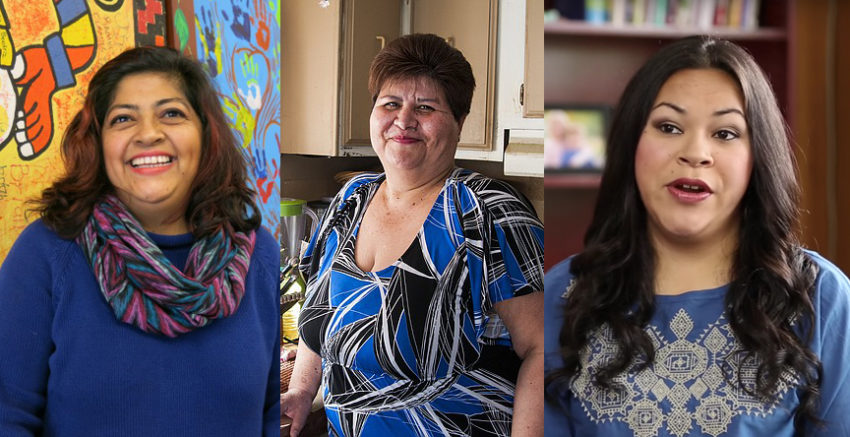
Latinos face many barriers to healthcare, and thus suffer high rates of diabetes, obesity, and cancer. That’s why community health workers are so vital. These workers, often called promotores de salud or educadoras in Latino communities, provide culturally tailored health education, social support, and connections to resources to help Latinos overcome cultural, language, and other barriers to mental and physical healthcare. We are happy to spotlight a few of these amazing Latino community health workers.
Mayola Cruz: Latino Bridge-Builder
Mayola Cruz says she loves to talk. So much so that the Craig, Colo., resident learned English to amplify her voice. Cruz now uses her conversational personality to help give voice to Latinos’ healthcare needs as a member of ...
Los Angeles, California (48.67% Latino population) is the second largest city in the United States. The city is also one of the largest urban hubs of Latinos in the country. However, the inequity gaps in health, wealth, income, and opportunities for Latinos is rising in the City of Angels. In a report developed by PolicyLink, the USC Program for Environmental and Regional Equity and the Weingart Foundation, a number of “grim” statistics and facts were uncovered. “Across the region, people are struggling daily for the things so many of us take for granted – safe streets, good jobs, access to health care, affordable housing and a quality education for our families,” said Fred Ali, president and CEO of the Weingart Foundation in an interview with Hollywood Patch. “Over the ...
A new funding opportunity is rising from Voices for Healthy Kids, working to ensure that all children have access to healthy food and physical activity where they live, learn, and play. The purpose of the Strategic Campaign Fund Incubator opportunity is to support innovative advocacy approaches that align with Voices for Healthy Kids policy priorities. Funding requests may range from $15,000 to $30,000 and all grants awarded will be 100% non-lobbying funding and all applications must be submitted by the deadline on Friday, March 31, 2017, 5 pm EST. To learn more about the incubator opportunity email Shannon.Melluzzo@heart.org and/or register for the webinar on the Incubator Application 101 being held, Monday, March 6th from 2-3pm EST. The webinar will review the funding ...