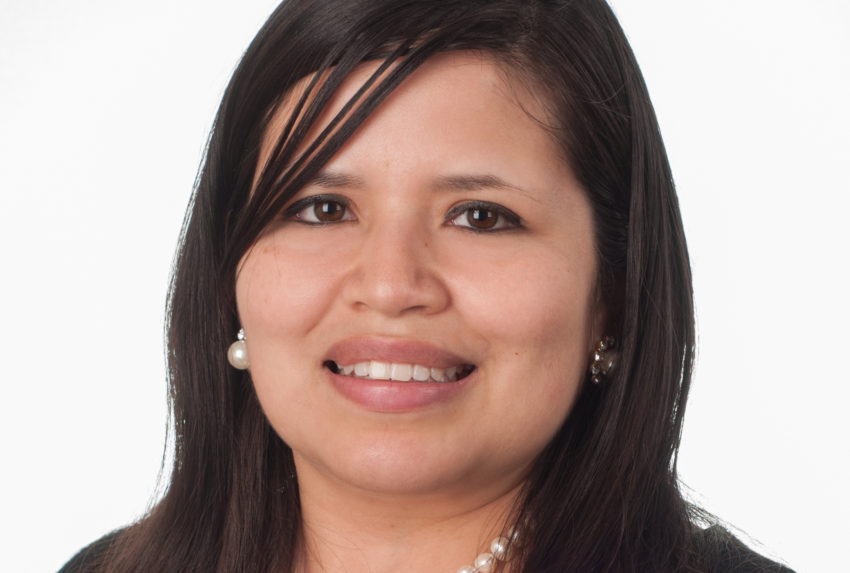
Editor’s Note: This is the story of a graduate of the 2016 Èxito! Latino Cancer Research Leadership Training program. Apply now. Pride for Puerto Rico runs deep in Marisabel Roman Afanador’s blood, from the traditional Bomba traditional musical style to the rich cultural heritage. Still, the country historical has struggled with health issues and domestic violence. That’s why Afanador, a San Juan native who learned from her grandmother’s resilience in the face of domestic violence, is dedicated to make a difference in the lives and health of women—specifically las mujeres de la isla (women of the island). Afanador works as a licensed social worker and is passionate for public health promotion and education because of all the possibilities it provides. She wants ...
Since the passing of the ACA, Latinos have benefitted from the benefitted greatly, reducing their rate of uninsured by nearly 8%. This year’s Open Enrollment period for the Health Insurance Marketplace has proven this trend to again be correct. Hundreds of thousands of Latinos have again taken part and gotten coverage. “Nationwide demand for health coverage is higher than ever, as Americans prove again that Marketplace coverage is vital to them and their families,” said Department of Health and Human Services (HHS) Secretary Sylvia M. Burwell in a news release. “For Americans who have not yet signed up, it’s not too late.” In order to reduce health disparities, it is critical to address inequities in programs, practices, and policies. Join our site, connect with ...
For those still shopping for coverage for this year, the deadline to have coverage by February 1 is rapidly approaching. To get coverage starting then, people need to sign up by midnight on January 15. To date, 8.8 million Americans had signed up for coverage through HealthCare.gov since the beginning of Open Enrollment in November of last year. Latinos have benefitted more than just about any other racial or ethnic group since the passing of the Affordable Care Act (ACA). Over 4.2 million Latinos (ages 18-64) have gained health insurance coverage, lowering the uninsured rate among Latinos by 7.7%. In order to reduce health disparities, it is critical to address inequities in programs, practices, and policies. Join our site, connect with others, and get ...
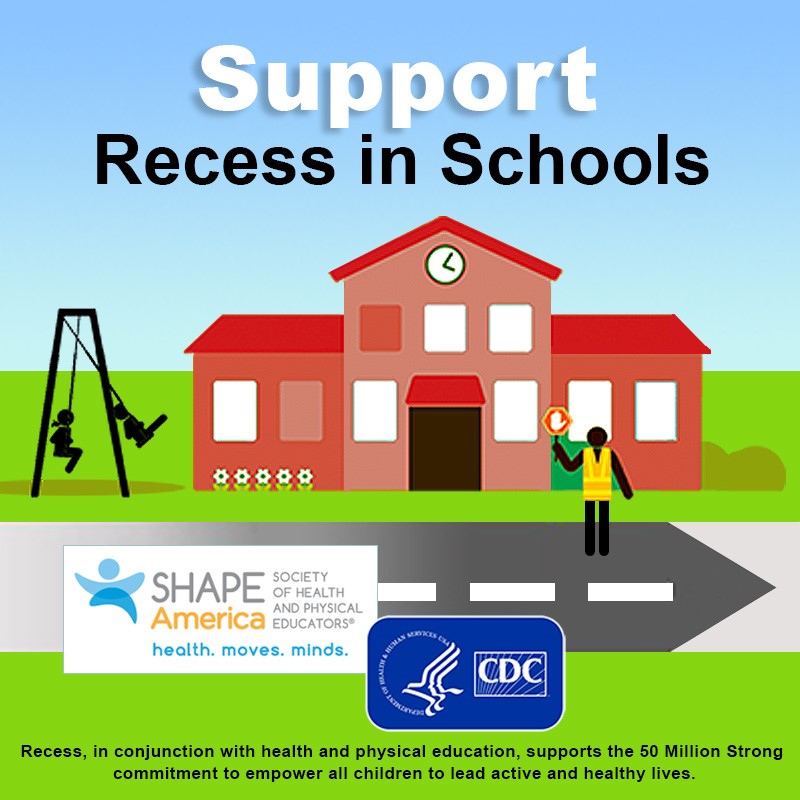
Recess can help kids get their 60 minutes of recommended daily physical activity to reduce their risk of developing lifelong chronic diseases, like heart disease, and diabetes, and to improve their academic performance and mental health. Unfortunately, Latino kids have fewer opportunities before, after, and during school for physical activity than white kids. The Centers for Disease Control and Prevention (CDC) and SHAPE America have developed a guide that provide schools with 19 evidence-based strategies for recess, as well as a planning guide and template to help develop a written recess plan that integrates these strategies. Download these free resources to start a healthy change in your school and then spread the word! Recess is a critical part of the school ...
Both her mother and uncle knew Rosario Silva was destined for something greater than growing up to be a factory worker, like many Latinos in her Missouri community. Silva was meant for helping Latinos get health care they need. Indeed, Silva grew up and become her family’s first college graduate when she earned a bachelor’s degree at Brown University in Rhode Island. She went on to study behavioral science and earned a master’s degree in public health from Saint Louis University. Now she wants to study Latino healthcare disparities and implement sustainable interventions that will alleviate many of chronic conditions that affect Latinos. To increase her training, she applied for the Éxito! Latino Cancer Research Leadership Training program, which recruits 25 ...
Infant nutrition experts Norma Sifuentes and Diana Montano have promoted breastfeeding for 30 years combined in San Antonio, Texas (63.2% Latino). The two women, employees of the San Antonio Metropolitan Health District’s Women, Infants and Children (SAMHD-WIC) department, know that breastfeeding duration rates are low here. Less breastfeeding means more risk of obesity, diabetes, and lower IQs. So Sifuentes and Montano worked together to create a place—a haven—to help low-income Latina and all mothers access breastfeeding support and peer counseling.
Why isn't breastfeeding more prominent?
The benefits of breastfeeding are numerous. For babies, it reduces risk of infectious diseases, asthma, atopic dermatitis, childhood leukemia, diabetes, obesity and sudden infant ...
Vaccinating pre-teens against human papillomavirus (HPV) is easier with new CDC guidelines, which recommends two HPV shots for younger adolescents instead of three. The three-injection series is still recommended for older teens. Today the Cancer Therapy & Research Center (CTRC) of UT Health San Antonio is uniting with each of the other 68 National Cancer Institute (NCI)-designated cancer centers in issuing a joint statement to support these recommendations with the hope of improving the national vaccination rate. January is National Cervical Cancer Awareness Month. "We must amplify and unify our efforts to increase awareness of the HPV vaccine to prevent cervical and other cancers, and to motivate pediatricians to encourage parents to get their children vaccinated,” ...
Since the Affordable Care Act (ACA) came into law, millions of Americans have obtained coverage. Millions also no longer face denials or higher costs because of their medical histories. The U.S. Department of Health and Human Services (HHS) found that, between 2010 and 2014, the share of uninsured Americans with pre-existing conditions fell by 22%. “Today, thanks to Affordable Care Act protections, the uninsured rate is at its lowest level in history and millions of Americans with pre-existing conditions like asthma or cancer no longer have to worry about being denied coverage because of their medical history,” said HHS Secretary Sylvia M. Burwell in a statement. “This is clear and measurable progress, and we shouldn’t turn the clock back to a time when people were denied ...
As of December 31, 2016, 8.8 million Americans had signed up for coverage through HealthCare.gov since open enrollment began on November 1, 2016. This is up from the 8.6 million during Open Enrollment in 2015. Latinos have benefitted more than just about any other racial or ethnic group since the passing of the Affordable Care Act (ACA). Over 4.2 million Latinos (ages 18-64) have gained health insurance coverage, lowering the uninsured rate among Latinos by 7.7%. In order to reduce health disparities, it is critical to address inequities in programs, practices, and policies. Join our site, connect with others, and get involved. “With 8.8 million Americans signed up for coverage through HealthCare.gov, more than last year at this time, it is clear that Americans want ...