Recent national numbers regarding unemployment and poverty have been promising. For the first time since the Great Recession, Americans across the country have looked to be “better off” financially and economically. However, in one area of Southern California, those numbers have proven to not ring entirely true. In San Diego County (33% Latino population), the Bureau of Labor Statistics reported that the unemployment rate fell from 8.8% in 2014 to 4.3% in 2016. Despite these circumstances, the Census Bureau released data showing that despite there being more jobs, more people are falling into poverty. Analyzing the numbers between 2006-2010 and 2011-2015, the countywide poverty rate grew from 12.3% to 14.5%. “The thing that people really don’t realize regarding poverty and ...
In November 2015, the Unicode Consortium approved 51 new emoji's, and breastfeeding is one, according to Forbes. Based on requests and popular demand, the Unicode Consortium decides which emojis will be available for mobile devices, laptops, desktops and wearables. Interventions or policies aimed at improving breastfeeding rates among Latina mothers may be critical to promoting physical and mental health; however, Latina moms often face social, political, environmental, and cultural barriers to reach their own breastfeeding goals. In order to build a culture of health it is critical to support breastfeeding and empower women to live healthier lives. The emoji should be available in 2017. Spread the ...
Being a first-time parent can often be a stressful experience. The uncertainty about what is or is not a medical concern often causes parents stress and greatly impacts their finances. A new study has found that a home visit program for new parents helped reduce their use of medical services for their infants, and this in turn helped out parents in other ways. The study, based in New Mexico (47.03% Latino population), included 244 first-time parents who were randomly assigned to either a control group that didn’t get any additional help or a group enrolled in a program where healthcare workers and parent educators made home visits during the first year of their child’s life. Typically, an infant is expected to have seven well-child visits during the first year, according to ...
More mothers are joining the workforce than ever before, especially Latinas. In 2015, 42% of all U.S. moms were the “breadwinner” (earning at least half of their family’s income) for their households, and 22% were co-breadwinners, according to a report by the Center for American Progress. The report found that, regardless of the family composition, the vast majority of adults with “custodial children” are part of the labor force. "With the majority of women working for pay, and their earnings being so vital to the economic well-being of their families, the days of full-time, stay-at-home mothers are long past," according to the report. "Women are crucial economic actors for their families, local communities, and the overall U.S. economy." The rates of breadwinning ...
The latest phase of Open Enrollment for the Healthcare Marketplace will wrap up on Jan. 31, 2017. As of last December, over 4 million people had selected plans using HealthCare.gov since Open Enrollment began November 1. This includes over 1.1 million new consumers and 2.9 million renewing their coverage. In order to reduce health disparities, it is critical to address inequities in programs, practices, and policies. Join our site, connect with others, and get involved. Latinos have been one of the groups who have benefited the most from the passing of the Affordable Care Act (ACA) and the Health Insurance Marketplace. Over 4 million have obtained health care coverage and have reduced their rate of uninsured individuals to historic lows. “Millions of Americans have ...
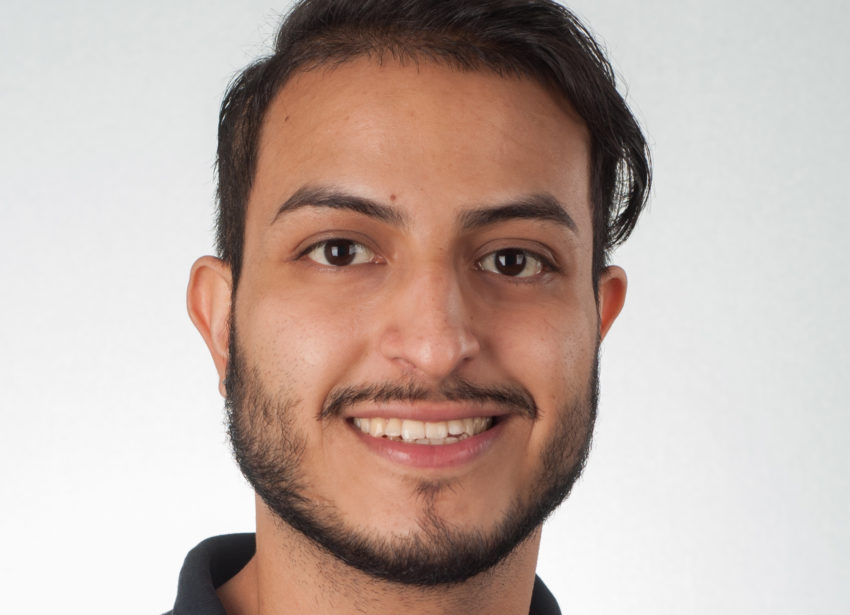
Jose Ramos never gives up. He learned how to persevere from his mother, who survived breast cancer, and his parents, who worked hard to provide for their family. He managed to stay out of the same trouble—crime and dropping out of school—that afflicted his siblings. And he is keeping his goal in sight: becoming an MD/PhD. Ramos, who was the first in his family to graduate high school and college, is currently studying global disease as a master’s student in public health at Columbia University. He’s not just limiting his efforts to the classroom, either. In 2016, Ramos earned a fellowship with the Ministry of Health in Cape Town, South Africa. He also will intern with the Brazilian Health Association in Rio de Janeiro, where he will conduct community-based ...
Researchers from Johns Hopkins University recently identified a “culturally sensitive” set of tools that can be applied by pediatricians to help them screen Latino patients for mental health symptoms. Anxiety, depression, and aggression are some of the mental health issues that plague many Latinos and often go undiagnosed and untreated. The tools, which are freely available, and take less than 10 minutes to use are in Spanish and can help assess a wide range of emotional and behavioral problems among Latino kids. The investigators from Johns Hopkins encourage primary care pediatricians to consider utilizing four mental health screening tools: he Pediatric Symptom Checklist (PSC)-17-question version, the PSC-35-question version, the pictorial PSC-35, and the Strengths and ...
Mental health is one of the most important issue in all of healthcare. Anxiety and depression are just two of the more common mental health issues that affect millions of people. In recent years, Latino mental health has become an issue focused on my health agencies across the country. A new study has found that certain policies may be exacerbating Latino mental health concerns American Latinos living in states with more “exclusionary” immigration policies report higher rates of “psychological distress” than those living in states with more liberal immigration laws. “Obviously, not all immigrants are Latinos, nor are all Latinos immigrants,” said a research team led by Mark Hatzenbuehler of Columbia University in the journal Social Science and Medicine. In order to ...
Many minorities, including Latinos, are disproportionately affected by diabetes. New data from the Centers for Disease Control and Prevention (CDC) has shown that almost 13% of all Latinos have the disease compared to just over 9% of the overall U.S. population. Latinos are also more likely to experience complications from the disease and, according to the U.S. Department of Health & Human Services (HHS) Office of Minority Health, they have a higher death rate from diabetes, as well. However, having support from peers can help Latinos cope with and live with the disease. A study from the University of Missouri School of Medicine looked at how well interventions work in the Latino community when a person with diabetes gets support from someone who understands the disease. In ...