The U.S. Centers for Disease Control & Prevention’s Project Firstline program offers training and educational resources on various infection control topics, including risk recognition and infection control basics related to COVID-19. These training and educational resources are designed for all healthcare workers, no matter their role or educational background. Join us as Salud America! explores Project Firstline’s interactive infection control resources for healthcare workers through a three-part series on, “What’s Wrong with This Picture?” Today we will tackle the emergency room. Part 2 will address the nurse’s station. Part 3 will focus on an outpatient exam room.
Can You Recognize Infection Control Risks?
Healthcare workers must be aware of ...
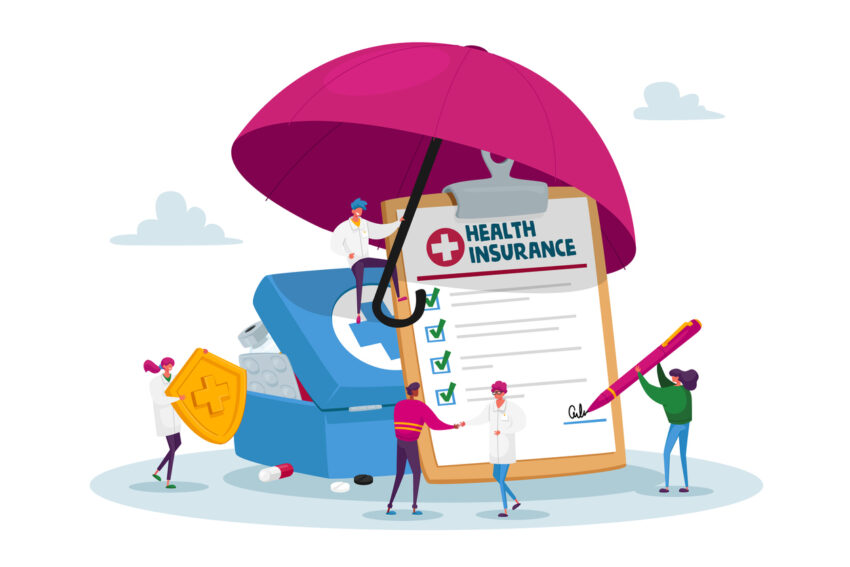
Latinos are uninsured more than two times the rate of their white peers. Given that Latinos are projected to grow to 29% of the population by 2050, this lack of healthcare coverage, including Medicaid, will continue to endanger the health of many more individuals, families, and the healthcare system. We’re raising awareness of the Latino healthcare crisis, its impact on Latino communities, and how you can help Latinos gain health insurance coverage.
How Many Latinos Lack Health Insurance?
Despite the benefits of health insurance, people from overlooked populations, low-income families, and other vulnerable groups unfortunately lack health insurance coverage in the US. Latinos are especially uninsured. A 2022 Census Bureau report found that Latinos had the highest uninsured ...
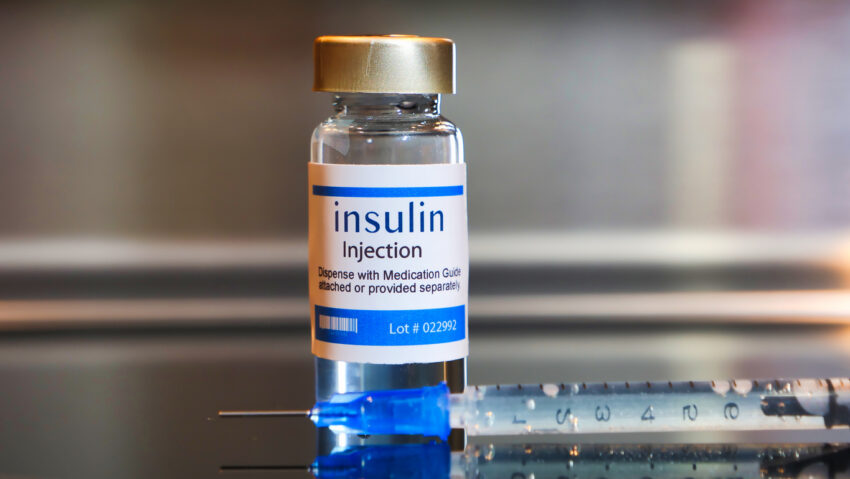
Update: Sanfori, the third major insulin drug maker, announced it will cap the out-of-pocket cost of Lantus, the company's most popular insulin, at $35 per month for people with private insurance. Sanfori will implement this change Jan. 1, 2024. Diabetes affects millions of Americans, especially Latinos. But the cost of insulin medications to manage the disease are unaffordable. Fortunately, recent strides have helped lower the cost of insulin medications, bringing financial relief to many households, and potentially saving lives. In honor of American Diabetes Alert Day on March 28, we’re highlighting these significant strides and discussing what lowered drug costs could mean for Latinos and all diabetes patients.
How Much Does Insulin Cost in the US?
In recent years, the ...
Knowing where germs live and thrive is important for infection control in healthcare. When you understand where germs live and how they can spread from place to place and make people sick, the infection control actions you take to keep them from spreading become second nature.
How Do Germs Spread?
Germs must be moved from person to person, place to place, or between places and people for them to potentially get someone sick. When you’re thinking about the risk for germs to spread in healthcare, the first step is to think through where germs live. A “reservoir” is a place where germs live and thrive. Like a habitat. Reservoirs can be in the human body – the skin, the gastrointestinal system, the respiratory system, including the nose, throat, and lungs, and the ...
The USDA is proposing stronger nutrition standards for school meals to give kids the right balance of nutrients for healthy and appealing meals. The new plan for stronger nutrition standards for school meals includes incrementally reducing sodium, a limit on added sugars (for the first time), and emphasizing whole grain products, while continuing to serve fruits, vegetables, and whole grains. USDA wants your feedback on its proposed changes. May 2023 Update: 438 Salud America! members submitted a model comment and were among over 74,000 people overall to comment on USDA’s proposed school meal nutrition changes. The model comment was created by Salud America! at UT Health San Antonio in partnership with UnidosUS! After a one-month time extension, the USDA closed the public ...
When people donate biospecimens—blood, fluid, or tissue samples—it gives researchers the opportunity to better understand, treat, and prevent conditions from cancer to Alzheimer’s. So why don't some people donate? Find the answers at UT Health San Antonio's Zoom webinar — “Importance of Biospecimens” — at 10 a.m. CT on April 5, 2023. The webinar features experts from UT Health San Antonio, Genentech, and leaders and participants in the All of Us Research Program discussing how to increase biospecimen donation and point to donation opportunities. This is a part of a webinar of a series, "Let's Improve Health in South Texas and Beyond.” The series is a collaboration of the Salud America! program at the Institute for Health Promotion Research at UT Health San ...
The average adult should sleep about 7-10 hours a day. But a person may get more (or less) sleep depending on the season, according to a recent study from researchers in Berlin, Germany. “Even in an urban population experiencing disrupted sleep, humans experience longer REM sleep in winter than summer and less deep sleep in autumn,” according to a news release about the sleep study. “In general, societies need to adjust sleep habits including length and timing to season, or adjust school and working schedules to seasonal sleep needs.” This begs a few questions. What other factors impact sleep? Are Latinos affected differently? Let’s explore the topic of sleep for Latinos, why it’s important, and factors that can impact it!
Sleep Can Differ Between ...
Researchers from UT Health San Antonio have tied obesity to with 21 Alzheimer’s disease-related genes. In analyzing 74 Alzheimer’s-related genes from the Framingham Heart Study, researchers found that 21 of them were either under-expressed or over-expressed in obesity. “Several of the genes were more strongly related to obesity in midlife versus in late life, and also to obesity in women versus men,” said Dr. Claudia Satizabal, study lead author and assistant professor of population health sciences at UT Health San Antonio.
Alzheimer’s Genes Linked to Obesity
The UT Health San Antonio study also found 13 Alzheimer’s-related genes were associated with body mass index (BMI) and eight genes associated with a second metric of obesity called waist-to-hip ratio. “Those ...
The Centers for Disease Control and Prevention’s (CDC) Project Firstline has expanded its Spanish translation of infection control resources. This content follows the prior Spanish release of Project Firstline’s Facilitator Toolkit with training session plans and accompanying PowerPoint slides, designed to help healthcare workers with different learning styles and busy schedules facilitate infection control trainings.
What’s Included in The New Spanish-Language Resources?
Spanish-speaking healthcare professionals can now access a variety of educational materials on infection control, including additional training toolkits on several topics: Introduction to Reservoirs: Where Microbes Live
Risk Identification Using Reservoirs Printable materials and job aids on ...