A culture of health is where everyone has a fair, just opportunity to be as healthy as possible. This also achieves health equity. Is your community creating a culture of health? If so, apply for the Robert Wood Johnson Foundation (RWJF) Culture of Health Prize! The contest provides $25,000 to communities that unite neighborhood, school, and business partners to improve health for all residents. Apply by Oct.15, 2020.
Read about 2019 Winners
Three largely Latino cities won three of five 2019 Robert Wood Johnson Foundation (RWJF) Culture of Health Prizes! Gonzales, Calif. (94% Latino), was chosen from nearly 200 applicants. Two other cities with large Latino populations—Lake County, Colo. (36% Latino) and Broward County, Fla. (30% Latino)—also won the health prize. ...
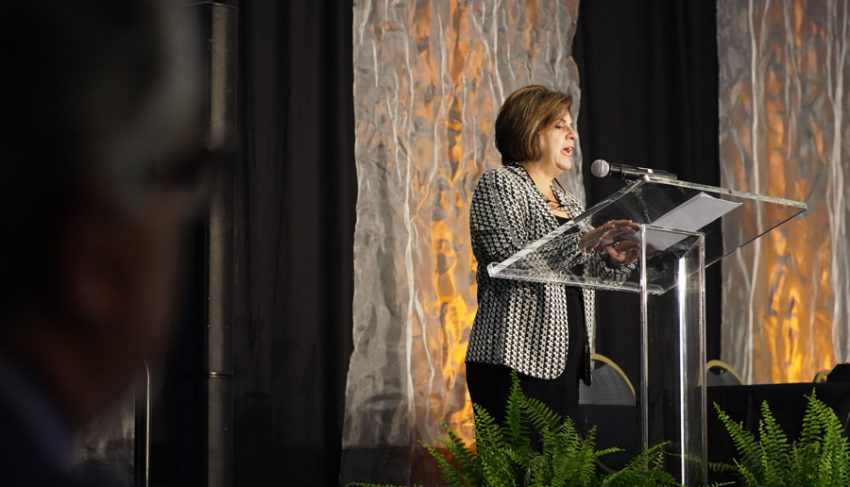
Dr. Amelie G. Ramirez, director of Salud America! at UT Health San Antonio, has been elected to a five-year term on the board of directors for the CDC Foundation. The CDC Foundation has facilitated over 1,700 partnerships, launched more than 1,000 programs, and raised over $900 million to help the CDC improve health around the world. Ramirez joins Dr. Jeffrey Koplan, vice president for Global Health at Emory University, as a new board member. "As the CDC Foundation continues to play an integral role in addressing domestic and global health challenges, including the current COVID-19 response, we are honored to have both Dr. Koplan and Dr. Ramirez join our board of directors," said Dr. Judith Monroe, president and chief executive officer of the CDC Foundation. "These two ...
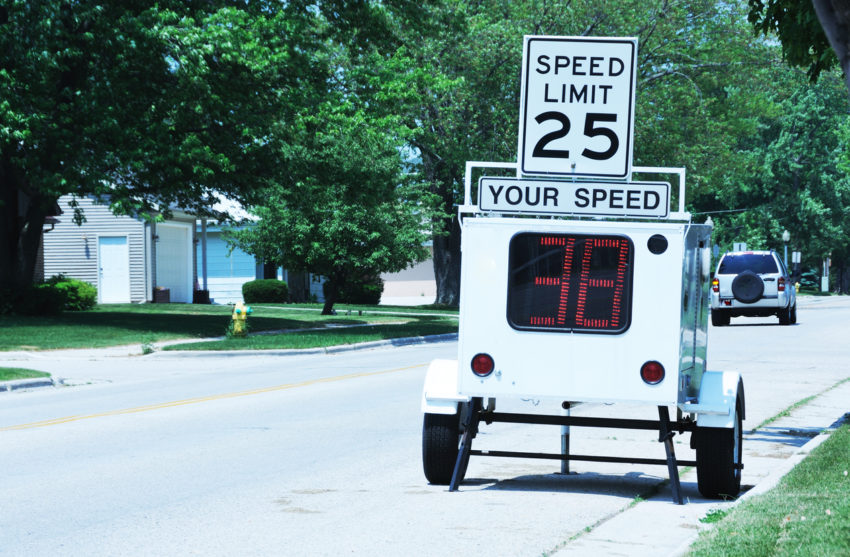
American cities are failing at traffic safety—largely due to unsafe speeds. Urban arterials—roads that link major activity centers and highways—accounted for 29% of all U.S. fatal crashes between 2014 and 2018, despite making up only 6% of roadways. That’s why the National Association of City Transportation Officials (NACTO) developed City Limits, a framework for setting safe speed limits for city streets and providing strategies to manage speed. “Most speeds limits are set using an oversimplified and outdated method: measure 100 drivers traveling without any traffic and set the speed limit based on the 15th-fastest driver,” said Jenny O’Connell, NACTO Program Manager, according to a NACTO press release. “If this sounds like a system that would create ...
1 in 9 young people are at risk for youth disconnection—someone ages 16-24 years who is neither working or in school. The coronavirus is expected to widen this gap, especially for Latinos and communities of color. Without immediate action, the number of disconnected youth could grow to 1 in 4 young people, or 6 million youth. A recent report, A Decade Undone: Youth Disconnection in the Age of Coronavirus, highlights progress made over the last 10 years in connecting youth to opportunity. It also provides new details on findings at the state, county and local PUMAs (public use and microdata areas) level on youth disconnection. On Tuesday, Aug. 4, 2020, let’s use #SaludTues to chat about ways to help Latino youth and their families stay connected amid the coronavirus ...
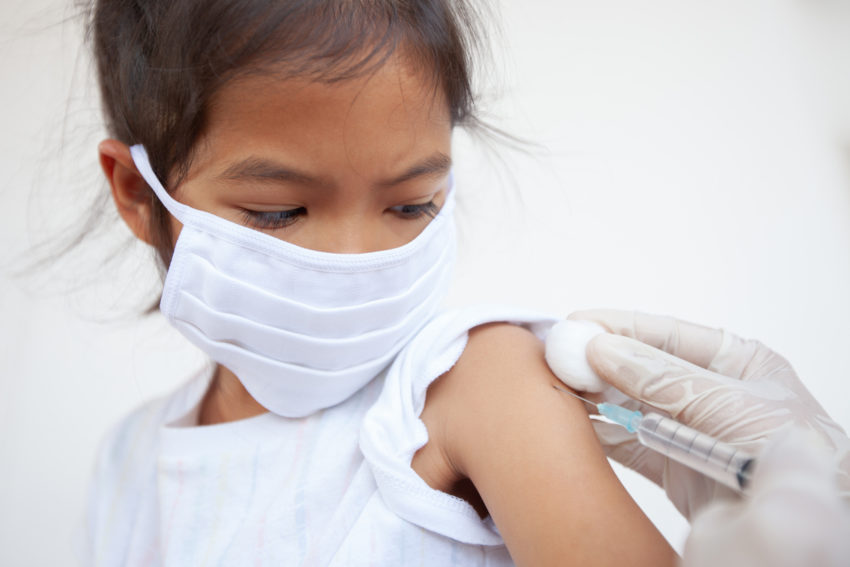
Many people are longing for an end to the turbulent COVID-19 pandemic. Thankfully, healthcare and government leaders are focusing their efforts and funding to develop a vaccine to halt transmission of the virus that has killed over 140,000 people in the U.S. A COVID-19 vaccine is a worthy goal, but leaders also must address one sad fact before any treatment is made available — the widespread disparity found among the racial makeup of those who are immunized and those who are not. "It's racial inequality — inequality in housing, inequality in employment, inequality in access to health care — that produced the underlying diseases," Dr. Dayna Bowen Matthew, dean of the George Washington University Law School—who has spent her career focusing on racial disparities in medical ...
U.S. Latinos are bearing an extraordinary burden of COVID-19 cases and deaths. Why is this? Health experts are trying to find an answer. They say the pandemic is worsening historical health and social inequities among Latinos and other people of color, affecting people of a certain age, and those who have diabetes, obesity, and cancer, as well as those who smoke. Now a study points to a new, but common, culprit: language barriers (and the healthcare system's failure to accommodate people who don't speak English).
Latinos Face Language Barriers During COVID-19 Pandemic
Language is a common barrier to health care. That's why Spanish translation is important in education, providing medical care, bullying prevention, healthcare access, and even podcasting. When it comes to ...
The coronavirus pandemic has had a devastating impact on people of color. Since the early days of the COVID-19 pandemic outbreak, one fact has been proven correct time and again: Minority groups face a higher risk of infection and the many burdens associated. This fact has been proven in a recent study from Massachusetts General Hospital. "Radiologists from saw these disparities firsthand in April among patients admitted to the hospital with confirmed COVID-19 infection, and at one of the hospital's respiratory infection clinics in Chelsea, a city just north of Boston that is home to a predominantly Spanish-speaking Hispanic community," the researchers write. "A significant proportion of the patients who visited the Chelsea clinic had COVID-19, and the level of disease the ...
Before COVID-19, families with SNAP federal food aid could not use their electronic benefits transfer (EBT) cards to buy groceries online. They had to go to into stores and risk infection. The good news is 37 states now have a SNAP online food purchasing programs. The bad news is that those online purchasing programs could “expose [SNAP] participants to increased data collection and surveillance, a flood of intrusive and manipulative online marketing techniques, and pervasive promotion of unhealthy foods,” according to the Center for Digital Democracy. The Center’s new report explains how federal and state policies fail to protect consumers against unhealthy food marketing, threatening the health of SNAP families. The report also recommends regulatory safeguards, industry ...
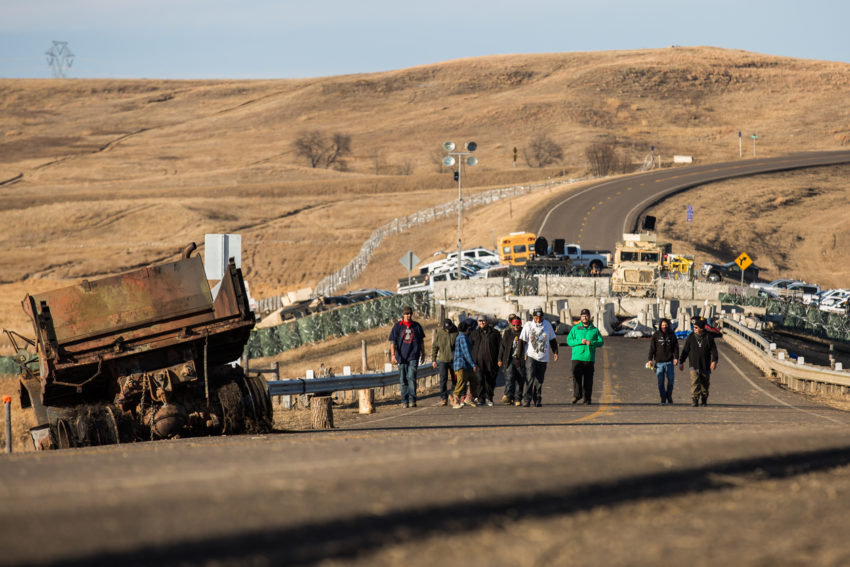
For years, one disadvantaged community of color, the Standing Rock Sioux tribe, have been fighting a battle for their land against big oil. The Dakota Access Pipeline is the center of that battle. The tribe urges—along with numerous environmental activists—for courts to halt its use. More than just an infringement on that territory, this issue raises numerous environmental concerns. Despite some wins against Energy Transfer LP, the pipeline’s operators, courts are still allowing for the pipeline to remain operational during the suit’s proceedings. Worse, as the COVID-19 pandemic continues to spread throughout the country, scientists and researchers are discovering more about how harmful environmental exposures, such as noxious fumes from oil, can impact those infected by ...