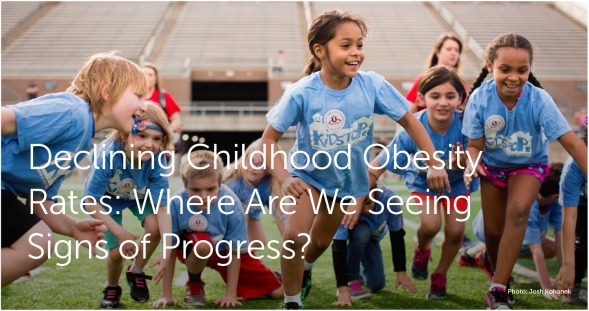
New reports reveal that childhood obesity rates are declining and the national diet is improving.
According to the Robert Wood Johnson Foundation, communities of color and low-income are more likely to be hit by higher rates of childhood obesity, however, states across the nation have shown signs of progress! For example, Georgia has seen a 10.8% decline in obesity among children ages 2-4, New Mexico has also seen a 15.1% and 11.1% decline in overweight and obesity among children, and in a Wisconsin school district, a report shows a combined overweight and obesity decline of 30.2%.
How are these communities ensuring healthy weights for kids?
Communities are building a culture of health by working together to increase consumption of healthier foods and beverages and increase physical ...
According to a recent study led by Duke Clinical Research Institute childhood obesity in the United States has not declined and severe obesity remains high. Dr. Sarah Armstrong pediatrician and director of the Duke Healthy Lifestyles Program said in a recent video in regards to the childhood obesity epidemic that, "Not seeing changes in the actual numbers, as this study points out, certainly is problematic, because there have been all the efforts aimed towards it." Researchers found that 33.4 percent of children between the ages of 2 through 19 were overweight and among those 17.4 percent had obesity. The results showed the continued increase of obesity among children from 1999 through 2014. Also according to the recent article 4.5 million children and adolescents had severe ...
Childhood obesity—a condition that affects more than 39% of Latino children, can be predicted as early as 6 months of age using simple body mass index (BMI), a new study reveals. “BMI at 6, 12 or 18 months of age above the 85th percentile on the growth chart can accurately predict children at risk for early childhood obesity," says Allison Smego, MD, a fellow in the division of Endocrinology at Cincinnati Children's Hospital Center and the study's lead author. "These children have a high lifetime risk for persistent obesity and metabolic disease and should be monitored closely at a very young age." For the study researchers studied lean and obese children under the age of 6 and found that the “BMI in children who become severely obese by age 6 began to differ from children who ...
On December 9, 2015 the National Collaborative on Childhood Obesity Research (NCCOR) will host a Connect & Explore Webinar on the latest findings from the Childhood Obesity Intervention Cost-Effectiveness Study (CHOICES) project, a collaborative modeling effort to provide estimates of the effectiveness, costs, and reach of interventions to reduce childhood obesity in the United States. The webinar is an opportunity to learn more about the latest findings and to hear directly from Dr. Steven Gortmaker, lead investigator of the CHOICES project. Visit the following link to register for this webinar: http://ow.ly/Uzuzn Learn more about the CHOICES project at the following ...
This report discusses methods and outcomes of estimating the cost effectiveness of four nationally implemented childhood obesity interventions: (1) sugar-sweetened beverage excise tax; (2) eliminating tax subsidy of TV advertising to children; (3) early care and education policy changes; and (4) state policy for active physical education. There are limitations when comparing the cost per unit of reduction in body mass index (BMI) across interventions; however, when compared to clinical interventions, the cost effectiveness of these prevention interventions is remarkable. The cost per unit change in BMI for the prevention interventions assessed in this study range from $1.16 to $401. However, the study cited that the cost per unit change in BMI for a primary care-based ...
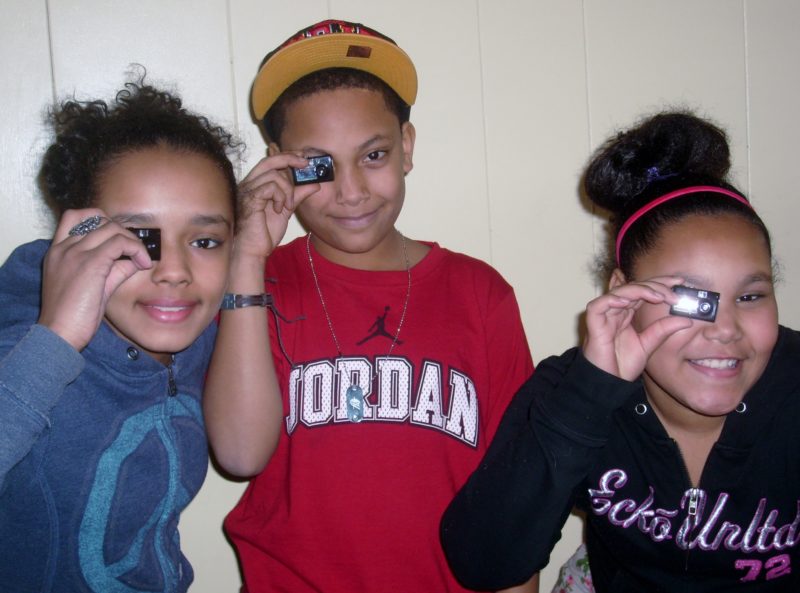
Cindy Ortiz founder of Fitadelphia announced a new program, “Fit and Fun in a Flash” in an effort to eliminate childhood obesity in 2014. In 2015, she released an e-book to educate kids about excess sugar and other harmful food additives. Inspired by many years of research, the program promotes the idea that media and social media can help children overcome childhood obesity. According to Ortiz, the idea came to her after watching a group of Fitadelphia Kids play with toy cameras, phones and computer games after their wellness class. She said: “kids love to pretend with toy phones and cameras and interact with the characters on internet games. So why not build a program where kids can take pictures and videos, upload them and share them while interacting with each other on ...
The U.S. Department of Agriculture has awarded funds to 17 different universities and colleges working to develop and evaluate programs to prevent childhood obesity. Of the programs that have been selected to receive funding, several will target Latino children, who continue to be a high risk demographic for becoming overweight or obese. Some of the universities which will specifically target Latinos with their programs include the following: California State University: Will work to better understand ways to promote healthier eating behaviors through mindful eating among children & families in the Hispanic community. University of California: Will work to advance the fight against pediatric obesity by focusing on the expansion of both the traditional expanded food ...
In 2010, the White House Task Force on Childhood Obesity, convened and prepared an action plan that was presented to President Barack Obama. The report explains the childhood obesity epidemic and describes policy actions that can be undertaken to improve the health of children in communities throughout the U.S. the report is divided into five sections including: Early childhood health
Empowering parents and caregivers
Health food in schools
Access to healthy affordable food
Increasing Physical activity Access the full report ...
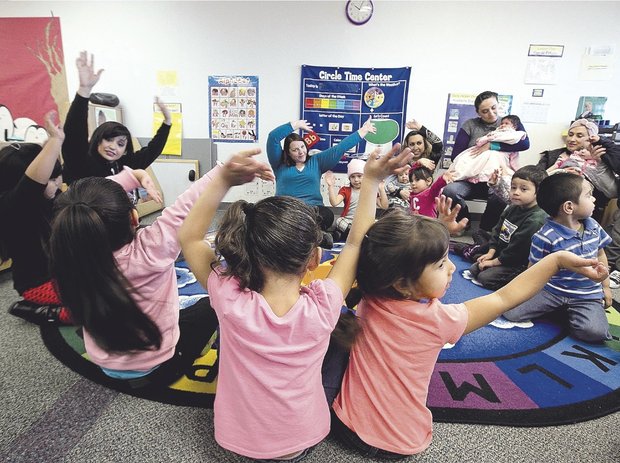
Spinach pancakes with homemade berry syrup? This is one of Febe Hernandez and her family's new favorite recipes thanks to the healthy lifestyle classes she's been attending at the Casa de Colores Headstart Center in Caldwell, Idaho. Children of migrant farmworkers living in Southern Idaho are now able to benefit from a new pilot program aimed at preventing childhood obesity among Latinos. The program, an initiative of the nonprofit Community Council of Idaho, was developed to teach parents important nutrition concepts, healthier ways of preparing food, and how to keep physically active. According to an Idaho Statesmen news article, the Community Council of Idaho recognized the need for such a program after realizing that over one-third of children in local head start centers ...