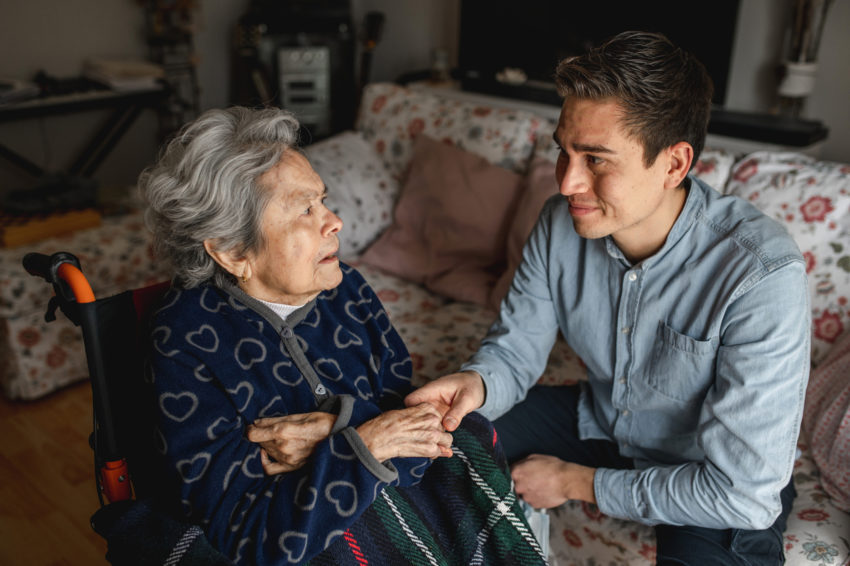
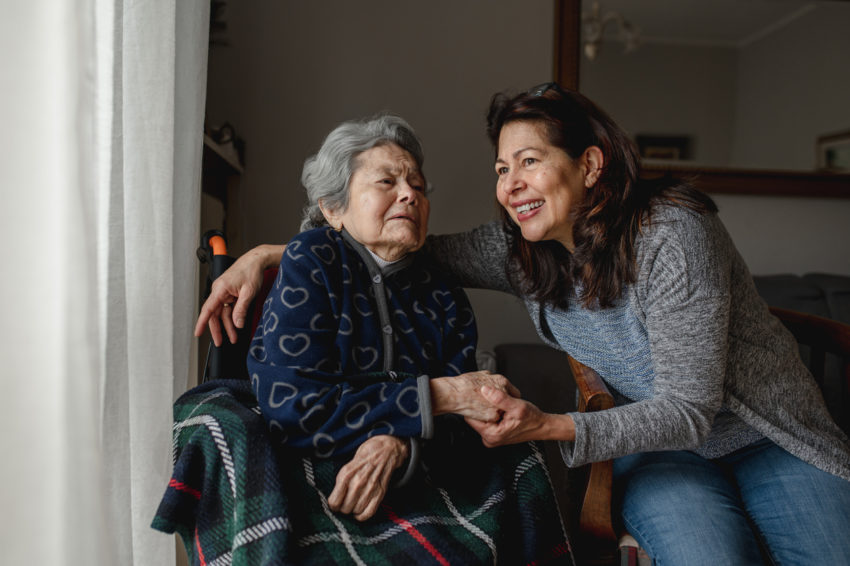
Cancer and Alzheimer's hurt many of our abuelos, moms, dads, and others we love. Clinical trials help us fight for our familia. Clinical trials are studies that help researchers learn more and more to help slow, manage, and treat Alzheimer's and cancer for current and future family members. But without Latino volunteers for clinical trials, the benefits may miss this group. Volunteer now for amazing clinical trials to slow dementia at the Glenn Biggs Institute for Alzheimer’s and Neurodegenerative Diseases at UT Health San Antonio! Volunteer now for amazing clinical trials to slow cancer at the Mays Cancer Center at UT Health San Antonio! To find out more about clinical trials in South Texas, call 210-567-8229 (English) or 210-450-8073 (Spanish) regarding ...
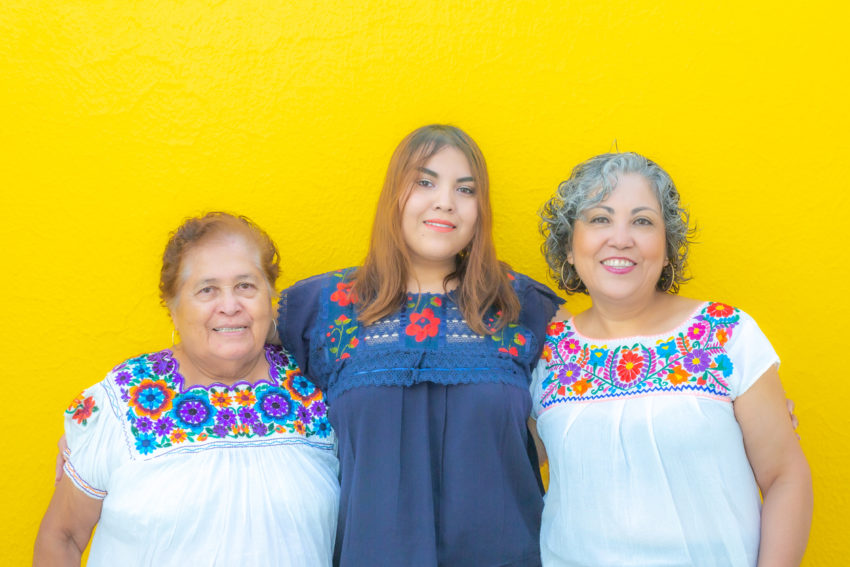
Hispanic Heritage Month, which runs from Sept. 15 to Oct. 15, is a time to celebrate and remember Latin American history and culture. For teachers, it’s an excellent opportunity to bring fun cultural activities into the classroom. Here are some suggestions to incorporate history, art, literature, and more on Hispanic Heritage Month for your classroom.
Start by Recruiting Latino Parents & Students to Help for Hispanic Heritage Month
If you have Latino students in your classroom, they may be interested in sharing their culture with the class. Having parents or students come in and share their personal stories and cultural traditions can be an enriching way for your class to learn. You can email students and parents asking if anyone is interested in collaborating on the ...
Today, the National Institute on Aging (NIA) of the National Institutes of Health (NIH) designated UT Health San Antonio and UT Texas Rio Grande Valley as an Alzheimer’s Disease Research Center to boost research and reduce the Alzheimer's burden among Latinos, who suffer disparities in dementia. The new center is the first in South Texas. It joins 32 other centers nationwide that are accelerating research on effective Alzheimer’s and dementia prevention, diagnostics, and treatments, and improving support for families and caregivers. Salud America! is a center partner to promote its research and clinical trials. "This federal designation by NIA will be transformational as we seek cures and provide the best possible care, based on the most up-to-date knowledge and technology, ...
Sadly, Latinos are 1.5 times more likely to develop Alzheimer’s disease than whites. Across the board, Latinos are underrepresented in clinical research. Without Latino representation in Alzheimer's clinical trials, researchers cannot find treatments that work best for this population. Researchers also must understand and address the differential role of Alzheimer's among Latinos, and the impact of alcohol, sleep deprivation, diabetes, and more. Let’s use #SaludTues on Tuesday, Oct. 5, 2021, to tweet about the latest research and beneficial strategies and clinical trials to reduce Alzheimer's disease and promote better brain health among Latinos and all people! WHAT: #SaludTues: Importance of Latino Participation in Clinical Trials in Alzheimer’s Disease
TIME/DATE: ...
Latinos are 1.5 times more likely to develop Alzheimer’s than their white peers. Its why diversity in clinical trials is absolutely critical. Fortunately, those studies can help us fight back against Alzheimer’s. If you are age 55 to 80, you can volunteer for the AHEAD Clinical Trial that aims to protect against the onset of Alzheimer's disease, led by the experts at the Glenn Biggs Institute for Alzheimer’s and Neurodegenerative Diseases at UT Health San Antonio. “I got involved with the AHEAD clinical trial because both of my parents had Alzheimer’s,” Dave Ralberer, an AHEAD study participant and study partner, said. “My mother was 72 when she passed away. My dad has been struggling with the disease for 13 years. I have the unusual opportunity to be working with ...
Obesity is linked to serious health consequences. The 47% of U.S. Latinos who have obesity are at higher risk for high blood pressure, type 2 diabetes, stroke, and certain cancers. Now we're learning that obesity and heart factors combine to cause cognitive decline in Latinos, according to a recent study in the Journal of Alzheimer's Disease from the University of California San Diego School of Medicine. Researchers studied cognitive exams at two time points — seven years apart —from over 6,000 participants in the Study of Latinos-Investigation of Neurocognitive Aging (SOL-INCA). They also tested participants for obesity cardiometabolic abnormality, which is two or more of high blood pressure, high blood sugar, high triglycerides, and low “good” cholesterol. They found ...
Latinos spend $7,167 a year caring for aging loved ones, says an AARP survey. While this is actually less than what Whites caregivers spend out of pocket a year ($7,300), the financial strain is greater because it represents almost half the income of Latino caregivers, according to the report. Currently, over 48 million Americans provide unpaid care to an adult family member or friend who has a physical health condition or a mental health issue like Alzheimer's and dementia. Most caregivers say they use their own money to look after their loved ones, like rent or mortgage payments, home modifications like wheelchair ramps, and medical costs. "About half of caregivers say they have experienced financial setbacks. This may mean they have had to curtail their spending, dip into ...
The U.S. Food and Drug Administration approved a new drug called Aduhelm (aducanumab) to treat Alzheimer’s disease, the most common form of dementia. Many are applauding the drug and are encouraged by the scientific progress in a field that has long had limited treatment options. Alzheimer’s affects over 6.2 million people in the U.S., with Latinos being 1.5 times more likely to develop it than white people. “What's really exciting is that aducanumab is the first new FDA-approved Alzheimer's treatment in nearly 20 years, and we're optimistic this will spark a wave of new research and innovation in this space. Patients are excited for that, too, and if aducanumab is the first step toward that brighter future, patients are eager to be part of it,” said Dr. Rany Aburashed, ...
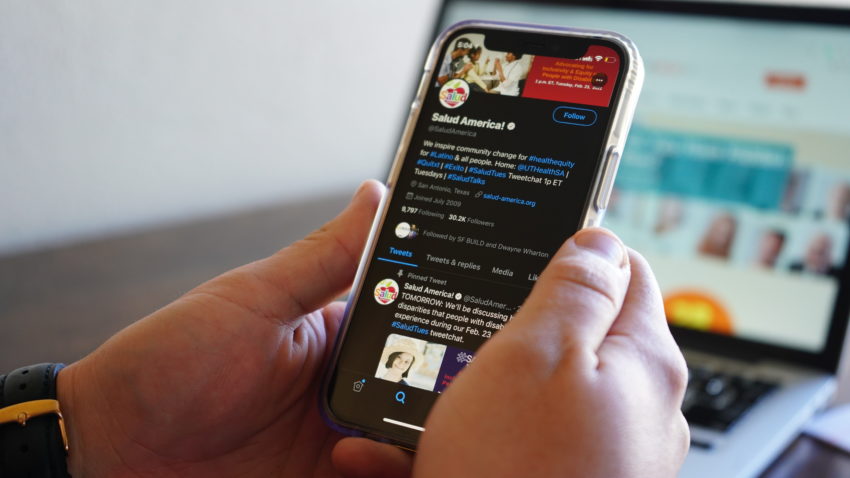
U.S. Latinos are 1.5 times more likely than whites to develop Alzheimer’s disease. In fact, the number of Latinos with Alzheimer’s and dementia could increase six-fold, from 200,000 today to 1.3 million by 2050, according to the Alzheimer’s Association. We need to raise awareness. We also need advocacy for solutions. Fortunately, our Salud America! #SaludTues Tweetchats, a discussion series on Twitter about Latino health, helped raise awareness of and advocacy action around Alzheimer's and its rise among Latinos, according to our new study in the Journal of Health Communication. The study found that #SaludTues Tweetchats provided a unique forum for sharing facts, increasing exposure, and discussing solutions to Alzheimer's among Latinos. "The study proves that ...