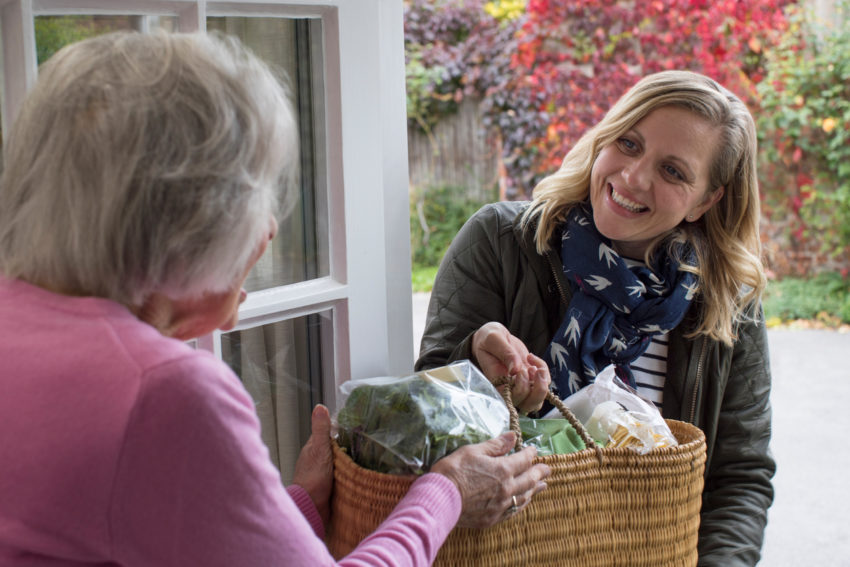
Alzheimer’s disease is an illness that affects the lives of many, and it impacts some Americans more than others. In fact, studies show that U.S. Latinos are 1.5 times more likely to develop Alzheimer's than their White peers. That number is only going to get worse over time if dedicated action isn't taken. The number of Latinos living with Alzheimer’s is projected to grow from 430,000 in 2014 to 3.2 million in 2060. That is more than an alarming seven-fold increase. Yet Latinos are underrepresented in clinical research across the board. Fortunately, Texas officials and researchers are working on this issue.
How Big a Problem is Alzheimer's Disease in Texas and Among Latinos?
The problem is huge in Texas, according to the experts. "In Texas in 2019 alone, 1650 ...
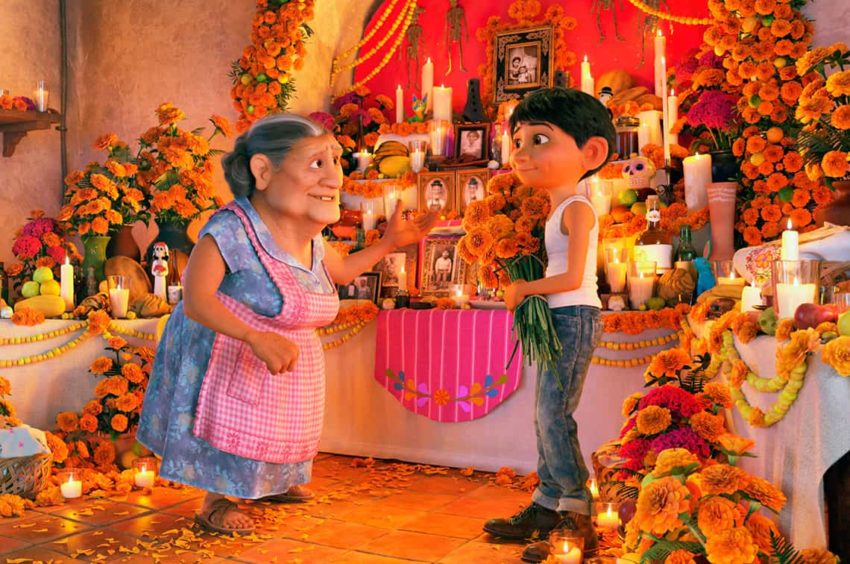
Just like in the movie Coco, our abuelos and abuelas are more susceptible to Alzheimer's Disease. Studies suggest that Latinos in the United States are 1.5 times more likely to develop Alzheimer's disease than white non-Latinos. This is because of genetics, lifestyle, socioeconomic risk, and other factors, even amid the coronavirus pandemic. Let’s use #SaludTues on Tuesday, Oct. 6, 2020, to tweet about how we can prevent dementia and Alzheimer's in our abuelos and abuelas, in honor of Hispanic Heritage Month. WHAT: #SaludTues: Let’s Celebrate Hispanic Heritage Month with Our Abuelos and Abuelas, Like Coco
TIME/DATE: 1-2 p.m. EST (Noon-1 p.m. CST), Tuesday, Oct. 6, 2020
WHERE: On Twitter with hashtag #SaludTues
HOST: @SaludAmerica
CO-HOSTS:@UsA2_Latinos ...
Among the countless disparities Latinos face, the way in which people's brains age might differ based on their race. That is what researchers at University of North Texas Health Science Center at Fort Worth will study after reciving increased funding for large-scale Alzheimer's biomarker study from the National Institute of Health (NIH). Mainly, they will be looking into health gaps in brains aging between Mexican Americans compared to their white peers. "To successfully battle and ultimately prevent or treat a complex disease such as Alzheimer's, we need to understand how this disease and other forms of dementia affect our nation's diverse communities differently," Dr. Eliezer Masliah, director of the NIA Division of Neuroscience, said in a press release. This award was made ...
Many data suggests that older adults are the most vulnerable to the worst effects of the coronavirus outbreak. We still have a lot to understand about dementia and risk for COVID-19. Evidence seems to indicate dementia-related behaviors, increased age, and common health conditions may increase risk. Let’s use #SaludTues on Tuesday, June 30, 2020, to tweet about the latest research about dementia and coronavirus! WHAT: #SaludTues: How Coronavirus Impacts People with Dementia
TIME/DATE: 1-2 p.m. EST (Noon-1 p.m. CST), Tuesday, June 30, 2020
WHERE: On Twitter with hashtag #SaludTues
HOST: @SaludAmerica
CO-HOSTS: @UsA2_Latinos, @AlzheimersLA, @Diversealz, @DiverseElders @WellmedCharitab @CaregiverSOS @PublicHealthMap @VocesenSalud
ADDITIONAL HASHTAGS: #COVID19, ...
At least 1 in 3 U.S. Latino households has at least one family caregiver. This number will continue to grow as many Latinos face higher than average risks for chronic disease, such as Alzheimer's, diabetes, and certain cancers. Although caregivers play an essential role in many families, they also face a great deal of stress, having to juggle multiple jobs while going unpaid for their time spent caring for a loved one. Of even greater concern is that caregivers often experience worse health outcomes than the person they're caring for. So what can we do to advocate for caregivers and their loved ones? Let’s use #SaludTues on Tuesday, May 5, 2020, to discuss ways to provide support and promote a healthy environment for Latino caregivers and their loved ones amid the ...
The coronavirus pandemic is causing fear and hoarding of groceries. But it's also inspiring beautiful acts of kindness around the nation. Kindness and equity can be rare during times of panic. Coronavirus, or COVID-19, is a serious condition that demands our attention. Smokers are uniquely susceptible. But, even amid an unusual disease outbreak, people and organizations are showing that kindness is instrumental in caring for people and promoting survival and health equity in tough times. "At a time of so much fear and uncertainty, these acts of kindness — for those committing and receiving them — are a desperately needed balm," says Latina writer Helen Ubiñas of the Philadelphia Inquirer. "A unifying act of humanity that reminds us that we are all in this ...
Architecture can influence many aspects of health, including body temperature and allergies — even our mental health. From window placement to floor design, how buildings are laid out will influence the way a person feels. More importantly, this influence can impact the day-to-day lives of people, according to Ben Channon, a U.K. architect and author of "Happy by Design." "We spend 80% of time indoors, but we give little thought to how bricks and mortar impact us physiologically," Channon told Planning, BIM & Construction Today. "Most building design prioritizes cost efficiencies and overheads, rather than paying attention to the nuances of human experience."
Design, Characterless and Inexpensive
Whether a room is small and cozy or large and grandiose, it can shift aspects ...
The importance of clinical trial participation cannot be overstated, especially among minority groups like Latinos. 1 in 6 individuals in the U.S. are Latino, yet only 1% participate in clinical trials. Despite the rapid growth of Latino populations all across the U.S., Latinos continue to lag behind in clinical trial participation. Why should we be concerned with getting more Latinos involved in clinical research trials?
Lack of Data on Latinos
While scientists continue to learn more about diseases like cancer, Alzheimer's disease and diabetes, through advances in genetics and medical technologies, the data collected is often not representative of the population. This means that new medicine or treatments may not be effective among Latinos, therefore it is crucial to ...
By Jason Resendez and Stephanie Monroe
UsAgainstAlzheimer’s Alzheimer’s Disease Disparities Engagement Network This month is National Minority Health Month and across the country communities are reflecting on the numerous challenges and injustices people of color face when it comes to healthcare in the U.S. For example, African Americans and Latinos face a higher risk for some of our country’s most common health problems, including obesity, heart disease, diabetes, hypertension, high blood pressure, stroke, Alzheimer’s and other dementias. To understand and address these disparities, greater attention must be paid to the role of the social determinants of health like income inequality, housing and food security, and educational opportunity. We know that this approach ...