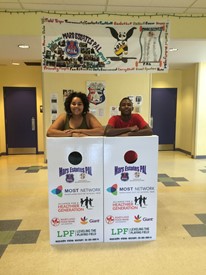
"MOST", Maryland Out of School Time Network's (MOST) Healthy Behaviors Initiative (HBI) has worked to help promote Healthy Eating and Physical Activity (HEPA) standards since 2013. Today MOST uses VISTA volunteers as afterschool professionals to support 30 programs across the state today. The programs' work is guided by the Alliance's Healthy Out of School Time Framework and with funding from the Giant Food Foundation, staff are able to receive professional development training in nutrition from the University of Maryland Extension's Food Supplement Nutrition Education program. MOST collaborates with HBI partners like Landsdowne Middle School in Baltimore, who signed onto HBI in its first year and have come to reach specific fitness goals and now participate in a range of new ...
Where you live determines so much about your overall quality of life. For many Latinos, housing segregation limits their access to quality education, healthcare, and opportunities and often limits them in what they can do for employment. In the city of San Francisco, Calif. (15.3% Latino population), city planners have been seeking input from residents on a new 130-unit housing project in the historic Mission area. According to CBS News, San Francisco is the fourth most expensive city to live in in the United States. In order to reduce health disparities, it is critical to address inequities in programs, practices, and policies. Join our site, connect with others, and get involved. The rising costs for housing (the median home price there is $820,000) have simply ...
Paid maternity leave is linked to numerous positive health outcomes for parents and baby, breastfeeding is one. Sadly, in the U.S., only 12% of private sector workers have access to paid family leave through their employers.
The Thing About Paid Family Leave Policies
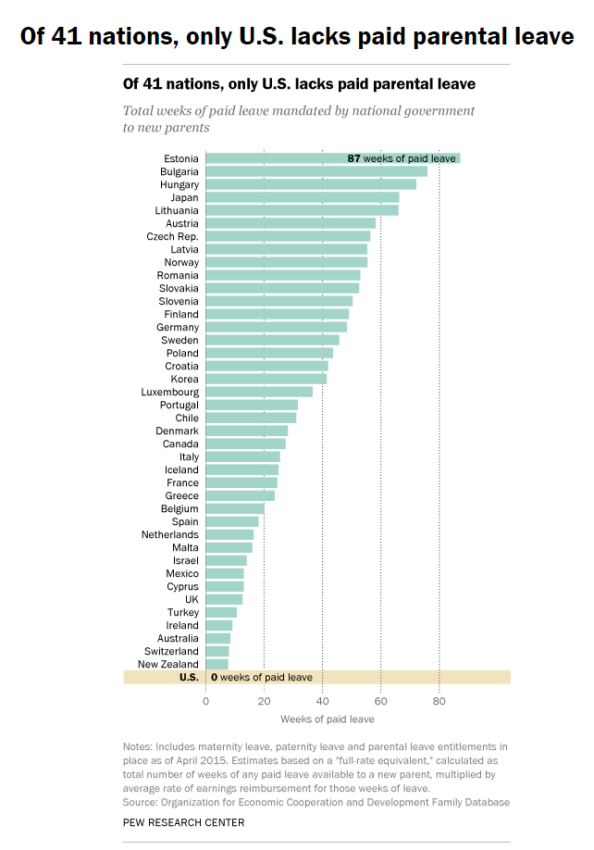
The thing about paid family leave policies in the U.S., is that the U.S. does not mandate paid family leave. California, New Jersey, Rhode Island and soon New York are the only states to have state-mandated paid leave plans in place. Among 41 industrialized nations in the Organization for Economic Cooperation and Development (OECD) and European Union, the U.S. is the only country not to require paid maternity leave. The U.S. provides up to 12 weeks of unpaid leave through the federal Family Medical Leave Act ...
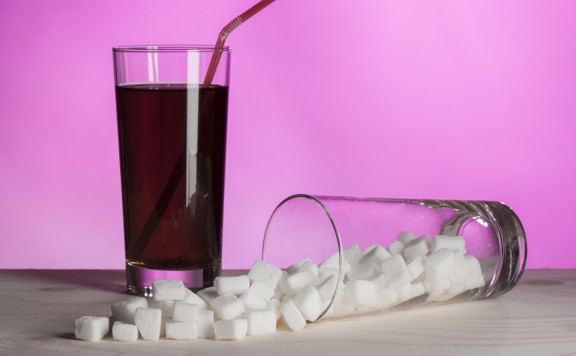
Congrats to San Francisco's new ordinance passed by the Board of Supervisors ensuring all kids menus will not longer include sugar-sweetened beverages. This is a win for Latino kids, why?
Regular consumers of sugary beverages have a 26 percent higher risk of type 2 diabetes, and research shows that about 74% of Latino kids have had a sugary drink by age 2.
Parents are still allowed to purchase a sugary beverage with their child's meal in this new policy change, Supervisor Ken Yeager explained to Bay City News Service. However, Yeager went on to ask, "Why in the world you put something that is so poisonous on their plate?"
In fact, studies say that 71% percent of California’s children will experience tooth decay by third grade, resulting in 900,000 missed school days per ...
Physical activity is linked with academic achievement and improved mental and physical health. Sadly, many Latino majority schools do not provide recommended time for recess or quality PE, thus kids fall behind and are at higher risk for chronic disease. On April 20th, 2017, the Governor of Washington (12.4% Latino) signed a new bill (HB 1235) which assesses PE practices in public schools. Effective July, 23, 2017, the bill requires all schools to conduct an annual review of their PE programs, to include: number of students completing PE per year
number of minutes per week of PE
number of students granted waivers from PE requirements
instructors with valid health and fitness endorsements The results of the review will be shared with the school district's ...
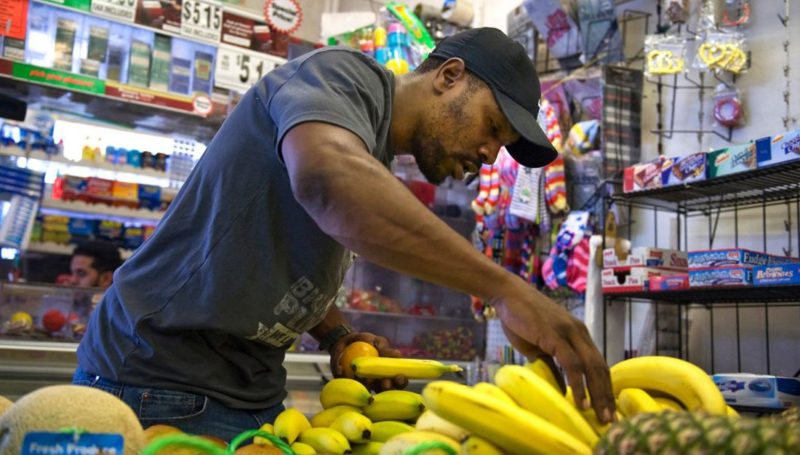
A labeling system, known as "Go, Slow, Whoa!" is being tested in Houston, Texas ( approx. 43.8% Latino) in 10 corner stores in low-income communities, to see how to promote healthier eating habits. The meaning behind the slogan "Go, Slow, Whoa!" is to encourage the healthiest items "Go" to be consumed the most often, "Slow" to be on food items that should be consumed in moderation and "Whoa" for packaged food items that should be avoided. The one-year project, being funding by the Texas Medical Foundation, is being researched in collaboration with the Texas A&M School of Public Health, the Baylor College of Medicine, the Texas Southern University College of Pharmacy and Health Sciences, and the Children and Neighbors Defeat Obesity Houston (CAN DO Houston). The plan ...
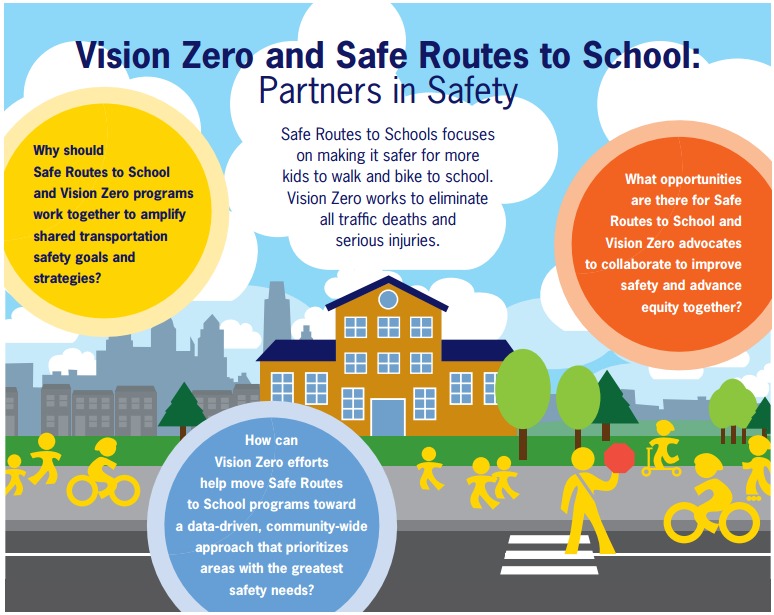
Although walking has numerous mental and physical benefits-and is fun-many people avoid walking if the streets aren't safe, which limits their mobility and access to basic necessities like schools, work, grocery stores, parks, healthcare, and other cultural and historical community resources. When it comes to safe streets, the U.S. lags far behind other countries. Given the inequity in access to safe streets and the disparities in fatalities and injuries among minorities, the issue of safe streets extends far beyond transportation planning and requires collaboration with public health and social justice researchers and practitioners. “We won’t save the number of lives we aim to without shifting our understanding of traffic violence from an individual behavior problem to a ...
The new Double UP food Bucks Arizona (Double Up AZ) program is helping to ensure more people have fresh healthy fruits and vegetables in their diet. Having better access to locally grown organic foods is also helping to support local economic growth and health. Robert McClendon, a farmer in the region explained to local 12 News that this program opens up doors for families that couldn't afford the produce. Data were taken from St. Mary's Food Bank Alliance revealing that 18% of Arizonans don't have access to nutritious foods. Programs like this and other federally funded programs or Healthy Food Financing Initiatives (HFFI's) offer healthy food access to more families in need of healthier diets. Research shows that Latinos are likely to spend more on fruits and vegetables ...
Latinos are already the nation's largest racial and ethnic minority group. Their numbers continue to grow and are expected to increase from 1 in 6 today to 1 in 3 by 2060. They also continuously face numerous health disparities compared to whites. Even among Latinos, there are inequities – especially between Latino men and Latina women. According to research, Latino men are much less likely to engage in accessing the healthcare than Latina women. With reasons ranging from cultural – such as stigma and language barriers – to economical, Latino men are far less likely to seek medical treatment, often to greater future detriment. In order to reduce health disparities, it is critical to address inequities in programs, practices, and policies. Join our site, connect ...