Nearly 1 in 5 Latinos suffers a mental health problem. But Latinos are less likely than other groups to seek out treatment for mental health conditions. They fear being stigmatized. They lack of health insurance. They face cultural barriers. Or they simply a fail to recognize symptoms. That’s why we at Salud America! are spotlighting heroes who are improving mental health for Latino families!
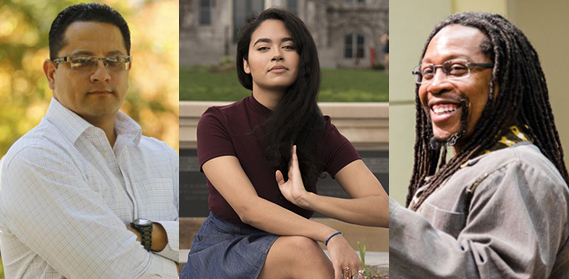
Irán Barrera: Helping Latinos Answer Mental Health Questions
Dr. Irán Barrera believes there is a difference between mainstream mental health and Latino mental health. Latinos don't use words like anxiety, depression, or post-traumatic stress. This means health professionals need training to address Latinos' mental health needs. That's why Barrera applied for and received ...
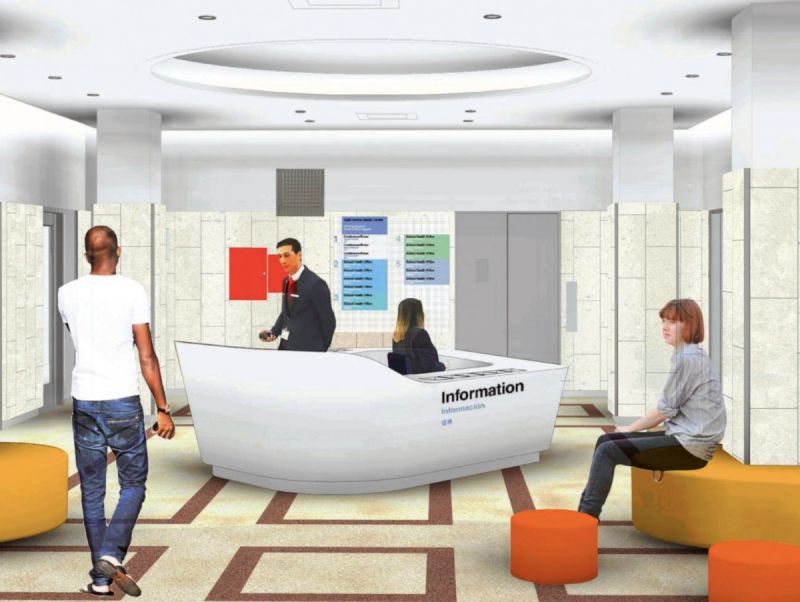
Imagine: You are a 20-year-old Latina new mother in East Harlem, N.Y. You already live in a poor neighborhood that has a higher infant mortality rate than the nearby, wealthy Upper East Side. Now, as you leave the hospital, you need resources to care for yourself and the baby. Where do you get help? What if, blocks from your home, there's a place with workshops on infant safety and bonding? What if it also has a lactation room? What if it also has yoga and dance classes? What if it also offers primary care, mental health care, screenings, and vaccinations? What if you apply there for insurance, and get referrals to other local services, too? In New York, city leaders are creating these "Neighborhood Health Action Centers." Dr. Mary T. Bassett, the city's health ...
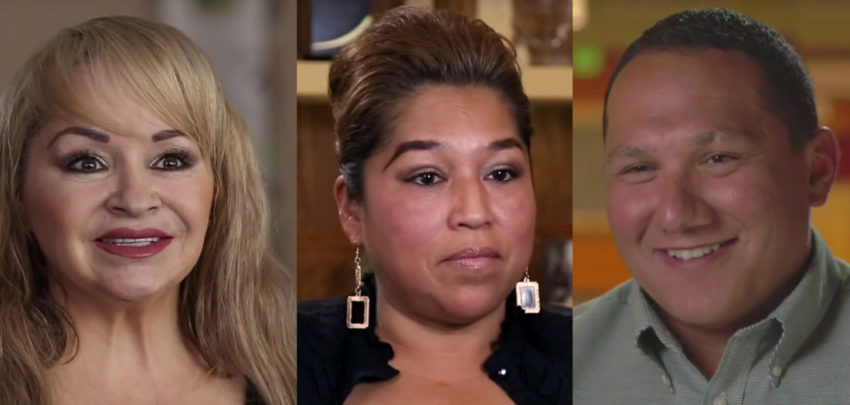
For many Latinos, the dream of going to and attending college is a lifelong dream. More and more are enrolling in two- and four-year colleges and universities. While the numbers don’t quite match other racial and ethnic minorities, more Latinos are earning secondary degrees. However, for many, the college experience quickly turns from dream to nightmarish. Because of the expenses associated with education, many students suffer from food insecurity and are homeless. “‘Homeless college student’ seems like a contradiction in terms,” said Paul Toro, a psychology professor at Wayne State University who studies poverty and homelessness in an interview with The New York Times. “If you’re someone who has the wherewithal to get yourself into college, well, of course you ...
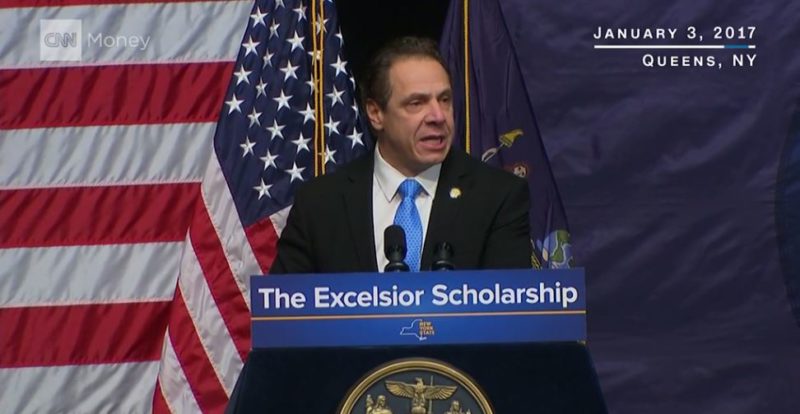
Educational attainment is one of the key determinants of health. While Latinos have made great strides in attaining greater education – the Latino high school dropout figures are at all-time lows and more are enrolling in two- and four-year universities – there is still a long way to go before they are achieving secondary degrees at the level of whites. In the state of New York (18.4% Latino population) the dream of attending college just got a lot easier for many. Governor Andrew Cuomo introduced a plan for tuition-free college in January and state lawmakers approved the plan mid-April. For residents who earn up to a specific “income cap,” tuition will be free. The income figure will be determined over the next three years. Starting this fall, however, students whose ...
Kids need places to play to be healthy. Physical activity is proven to help control weight, reduce risk of disease, strengthen muscles, and improve mental health. But Latino families are more likely than white families to live in neighborhoods with no recreational facilities, or unsafe ones. This is according to recent research cited by Salud America!, a national Latino childhood obesity prevention network at UT Health San Antonio and supported by the Robert Wood Johnson Foundation. That’s why we at SaludToday are spotlighting heroes who are creating play opportunities for Latino families!
Irma Rivera: First Park in the 92701 Irma Rivera saw a child nearly hit by a car while playing in an empty parking lot in park-poor Santa Ana, Calif (78% Latino). She vowed to do fix ...
For many Latinos, the dream of attaining an education beyond high school is unreachable. Whether it is a lack of access, a lack of funds, or a lack of resources, many just do not have the option of going to college. In Massachusetts (10.56% Latino population), some of those barriers are about to be eliminated thanks to an initiative from the state’s STEM Advisory Council. Gov. Charlie Baker announced that the state will pay $326,000 to pay for advanced placement exams in STEM (science, technology, engineering, and math) subjects for low-income students. “Massachusetts has one of the fastest growing innovation economies in the nation, and it is important we continue to develop a strong pipeline of skilled workers to fill critical job openings in STEM fields,” Governor Charlie ...
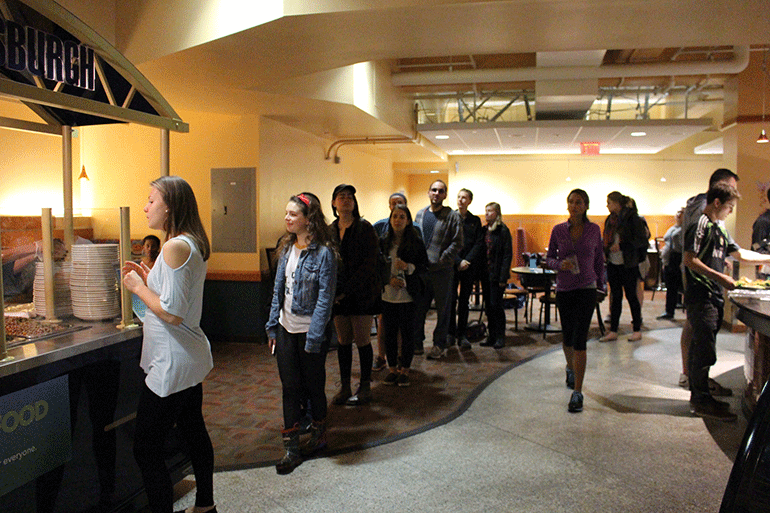
Getting students eager to try new plant-based foods is not always an easy feat. Yet, when healthy options look appetizing and promote vegetarian dishes in a new way, student's curiosity grows. The University of Pittsburgh culinary team collaborated with the Humane Society of the United States (HSUS), in a two-day workshop. They learned new skills and recipes to serve new plant-based dishes to students, hoping to promote a more sustainable diet. Nick Goodfellow, the Sustainability coordinator with Sodexo at Pitt University explained to Food Management that after learning all the new plant- based recipes the team wanted to keep the momentum around plant-based dishes going, but wondered how. The team's solution? Create pop-up food stations. The pop-up food station helped ...
“Telehealth” or “Telemedicine,” as it sometimes called, refers to traditional clinical diagnosis and monitoring that is delivered by technology. It has proven to be an exciting breakthrough in medicine and has been used in wide array of situations to diagnose and manage symptoms, in education, and other related fields of health care, including: dentistry, counseling, physical and occupational therapy, home health, and chronic disease monitoring and management. For those who are infirmed or in hard to reach rural areas, telehealth has proven to be great resource for both the patients and health care providers. According to the Health Resources & Services Administration (HRSA), can best be thought of as a way to increase the contact between a patient and their medical ...
When we are talking about academic performance, there is no right or wrong way to "workout." Any physical activity to get you moving and to get your blood pumping is beneficial and can boost your mood and help you reset and focus. Confederation Park Community School in Saskatoon Canada opens their gym all day and allows students to leave class at any time to burn off some energy. The goal is to empower kids to explore different kinds of physical activity when they feel like they can't concentrate in class. They can walk or run, do weights, play on gymnastics rings, flip big tires over, throw weighted balls, do yoga, dance, and many more activities. "Brain breaks" are one effective method to get kids moving in the classroom, but, as parents and teachers know, kids come to ...