Since the Affordable Care Act (ACA) came into law, millions of Americans have obtained coverage. Millions also no longer face denials or higher costs because of their medical histories. The U.S. Department of Health and Human Services (HHS) found that, between 2010 and 2014, the share of uninsured Americans with pre-existing conditions fell by 22%. “Today, thanks to Affordable Care Act protections, the uninsured rate is at its lowest level in history and millions of Americans with pre-existing conditions like asthma or cancer no longer have to worry about being denied coverage because of their medical history,” said HHS Secretary Sylvia M. Burwell in a statement. “This is clear and measurable progress, and we shouldn’t turn the clock back to a time when people were denied ...
As of December 31, 2016, 8.8 million Americans had signed up for coverage through HealthCare.gov since open enrollment began on November 1, 2016. This is up from the 8.6 million during Open Enrollment in 2015. Latinos have benefitted more than just about any other racial or ethnic group since the passing of the Affordable Care Act (ACA). Over 4.2 million Latinos (ages 18-64) have gained health insurance coverage, lowering the uninsured rate among Latinos by 7.7%. In order to reduce health disparities, it is critical to address inequities in programs, practices, and policies. Join our site, connect with others, and get involved. “With 8.8 million Americans signed up for coverage through HealthCare.gov, more than last year at this time, it is clear that Americans want ...
Walking is one of the easiest things you can do to improve your health! Unfortunately many Latino families lack access to safe places to walk and play, thus face health disparities. The America Public Health Association is hosting a billion mile challenge to encourage everyone to log some steps and to start the conversation about designing communities that promote physical activity. The Billion Steps Challenge begins January 9, and continues through April 9, 2017. Learn more and register yourself or a team here. They provide the technology platform as well as sample promotional ...
Doctor Jamie Jeffrey now stands for a sugary beverage tax within her patient's diets, stating that after her extensive research and scientific findings, she encourages West Virginia to take a "bold action" for kids by implementing a sugary drink tax. "Over the past 5 years, my patients have suffered more from the insulin resistance disease spectrum presenting as rapid weight gain, high triglycerides and a dark rash around their neck and on their knuckles known as acanthosis nigrican," Jeffrey told Charleston Gazette-Mail. West Virginia has had an increase in obesity rates from 14.4 percent to 16.4 percent in their younger population, where nearly 40% of West Virginians consume sugary sweetened beverages daily and 60% of 18-24-year-olds consume sweet drinks daily. Now West ...
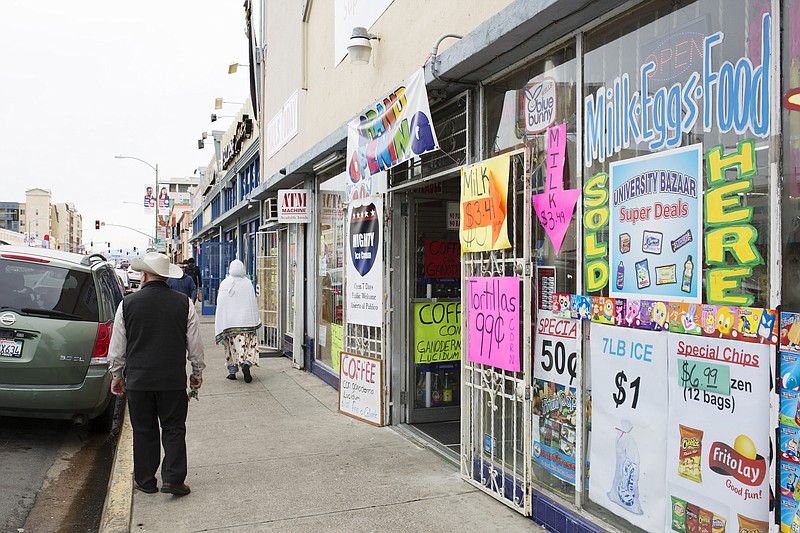
Recent national numbers regarding unemployment and poverty have been promising. For the first time since the Great Recession, Americans across the country have looked to be “better off” financially and economically. However, in one area of Southern California, those numbers have proven to not ring entirely true. In San Diego County (33% Latino population), the Bureau of Labor Statistics reported that the unemployment rate fell from 8.8% in 2014 to 4.3% in 2016. Despite these circumstances, the Census Bureau released data showing that despite there being more jobs, more people are falling into poverty. Analyzing the numbers between 2006-2010 and 2011-2015, the countywide poverty rate grew from 12.3% to 14.5%. “The thing that people really don’t realize regarding poverty and ...
In November 2015, the Unicode Consortium approved 51 new emoji's, and breastfeeding is one, according to Forbes. Based on requests and popular demand, the Unicode Consortium decides which emojis will be available for mobile devices, laptops, desktops and wearables. Interventions or policies aimed at improving breastfeeding rates among Latina mothers may be critical to promoting physical and mental health; however, Latina moms often face social, political, environmental, and cultural barriers to reach their own breastfeeding goals. In order to build a culture of health it is critical to support breastfeeding and empower women to live healthier lives. The emoji should be available in 2017. Spread the ...
Barriers to health have long existed for Latinos due to numerous factors, including economic concerns, and a lack of access. Often times, Latinos have not been able to get the treatments that they need for many serious medical conditions, especially mental or behavioral issues. A new policy from the Centers for Medicare and Medicaid Services (CMS) looks to help ease this burden. CMS has adopted a new policy on “Collaborative Care,” adding behavioral health care management and consultations with a mental health specialist to primary care. It will now be easier for all patients to get all of the treatment that they need. Collaborative Care, according to the National Institute of Mental Health, has been found to improve quality of care, patient satisfaction, and both physical and ...
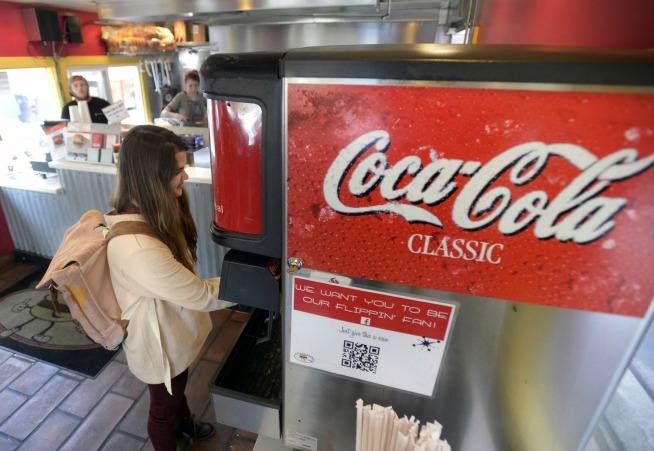
Unhealthy food and beverage marketing ads are targeted more at Latinos and minorities on TV, social media and more, according to recent research. The Praxis Project, led by Latino advocate Xavier Morales, and others filed a legal complaint against Coca-Cola and the American Beverage Association for deceptive marketing practices that push sugary drinks to communities of color. The complaint was filed in federal court in California is confusing the public, and indicates “the world’s largest soft-drink maker and the trade association run ads that tout the energy boost from drinking soda, and disregard scientific findings that sugary beverages can lead to obesity, diabetes, and heart problems,” according to a CBS News report. Both Coca-Cola and the American Beverage ...
Being a first-time parent can often be a stressful experience. The uncertainty about what is or is not a medical concern often causes parents stress and greatly impacts their finances. A new study has found that a home visit program for new parents helped reduce their use of medical services for their infants, and this in turn helped out parents in other ways. The study, based in New Mexico (47.03% Latino population), included 244 first-time parents who were randomly assigned to either a control group that didn’t get any additional help or a group enrolled in a program where healthcare workers and parent educators made home visits during the first year of their child’s life. Typically, an infant is expected to have seven well-child visits during the first year, according to ...