Latinos have been one of the groups who have benefited the most from the passing of the Affordable Care Act (ACA), as over 4 million have obtained insurance since the law’s passing. During the current Open Enrollment session, the rate of uninsured Latinos is expected to lower even further. Research released by the U.S. Department of Health & Human Services (HHS) has found that nearly half of the overall still uninsured Americans are unaware of tax credits that will help with coverage. Millions of Americans are eligible for premium tax credits, which help ease the financial burden of purchasing healthcare coverage. Shopping for plans on HealthCare.gov can help even those with current insurance plans possibly get better deals. In order to reduce health disparities, it is ...
On Dec 9,10 2016 Melody Cisneros Milstead will offer the first of many Faith Leader Mental Health First Aid training sessions. This groundbreaking 8-hour training course will kick-off at Centro Cristiano Familiar in Penitas,TX a city part of the Rio Grande Valley (RGV). The course is aimed at giving people tools to identify when someone might be struggling with a mental health or substance use problem and to connect them with appropriate support and resources when necessary. 1 in 5 Americans has a mental illness, but many are reluctant to seek help or might not know where to turn for care. Unlike physical conditions, symptoms of mental health and substance use problems can be difficult to detect. For friends and family members, it can be hard to know when and how to step in. As a ...
Healthcare truly begins during childhood. For many Latinos, developing healthy habits can be difficult as many barriers are in place that prevent them from receiving and obtaining quality healthcare. Recently, the Department of Health and Human Services (HHS) announced $17 million in funding for the Federal Home Visiting Program. The mission of the program is to give pregnant women and families, particularly those considered at-risk, necessary resources and skills to raise children who are physically, socially, and emotionally healthy and ready to learn. The funding will support the Health Resources and Services Administration (HRSA), which operates the program. “These funds aim to develop and implement innovations targeted to home visiting program delivery needs and to generate ...
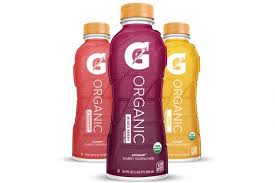
In September, Gatorade announced its new line of organic sports drinks. The new beverage is said to have only seven ingredients (water, organic cane sugar, citric acid, organic natural flavors, sea salt, sodium citrate and potassium chloride). Yet, despite its use of organic sugar, it still contains an unhealthy amount of about 20 grams of sugar per 12-ounce bottle. Lindsay Moyer, a senior nutritionist with the Center for Science in Public Interest says, “G Organic is still a sugary drink-essentially, liquid candy-and organic sugar is no healthier than [regular] sugar. For most people the best ‘sports drink’ is water.” The organic label can be misleading to consumers because many think that organic is always healthier. Lisa Cimperman, a clinical dietitian and spokesperson ...
The aftermath of Hurricane Katrina in 2005 left many cities deserted and families without access to grocery stores or healthy food access, but New Orleans took the rebuilding opportunity in 2011 with the Fresh Food Retailer Initiative (FFRI), seeded with $7 million to help invest in healthy food access for all New Orleans residents. On November 29th, eighteen legislators from states plagued with food deserts visited healthy food retail outlets in New Orleans, which were funded by their city’s Healthy Food Financing Initiative (HFFI), to learn how they could create similar programs in their states to benefit their constituents. HFFI's are a tool for state and local governments to bring new supermarkets and grocery stores to low-income, underserved communities and have been shown ...
The New York Milk Bank-the first milk bank in New York state (19% Latino)-opened early 2016 and was off to a successful start, at least, in terms of donations and handling. Delivery; however, was a problem. Julie Bouchet-Horwitz, the nurse practitioner and lactation consultant who opened the milk bank, struggled to deliver milk to babies in need in Manhattan (25% Latino) due to traffic. Increasing breastfeeding rates among Latina mothers could reduce risk of obesity, diabetes, and heart disease, and improve overall health for mother and infant. Additionally, breast milk is linked to significant early brain growth in premature babies. Bouchet-Horwitz thought about motorcycles weaving their way through traffic jams with the precious cargo. “So I did a ‘Google search’ ...
The current period of Open Enrollment for the Health Insurance Marketplace is currently underway and ends on January 31, 2017. Established by the Affordable Care Act, the Marketplaces allow individuals to shop for and compare healthcare plans that meet their needs. Over one million people have already selected plans since Open Enrollment began on November 1. In an effort to continue the momentum in an additional area, HealthCare.gov launched the White House Healthy Campus Challenge in an effort to engage college and university campuses to help get more college students and young people obtain coverage. In order to reduce health disparities, it is critical to address inequities in programs, practices, and policies. Join our site, connect with others, and get ...
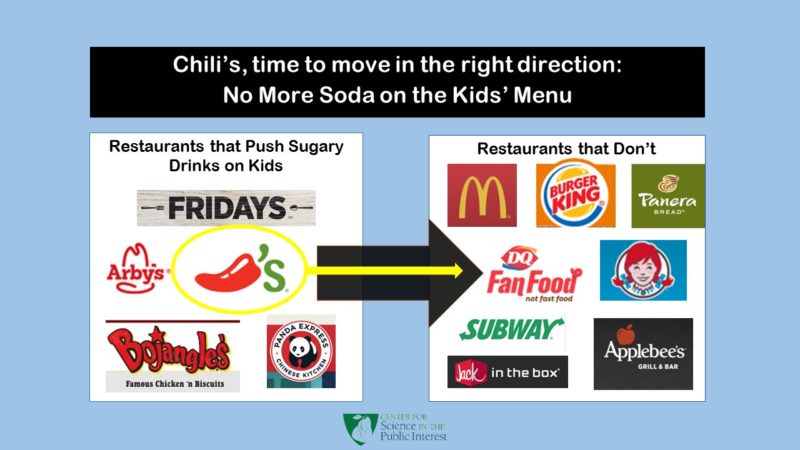
The American Heart Association recommends that children's dietary intake of added sugars be less than six teaspoons of added sugars per day, but a small 12-ounce soda contains over that amount by 4 teaspoons of sugar. One way to help reduce the intake of added sugars in children's diets is to reduce the consumption of drinks with added sugars, like sodas, flavored milk, juices, sweet teas and lemonades. The Center for Science in the Public Interest and Voices for Healthy Kids Action Center is working to continue efforts of removing sugary beverages from kids' menus by bringing awareness of chain restaurants that have committed to removing soft drinks from kids menus and pointing out some of the biggest American Restaurant chains that continue to push sugar drinks on their kids' ...
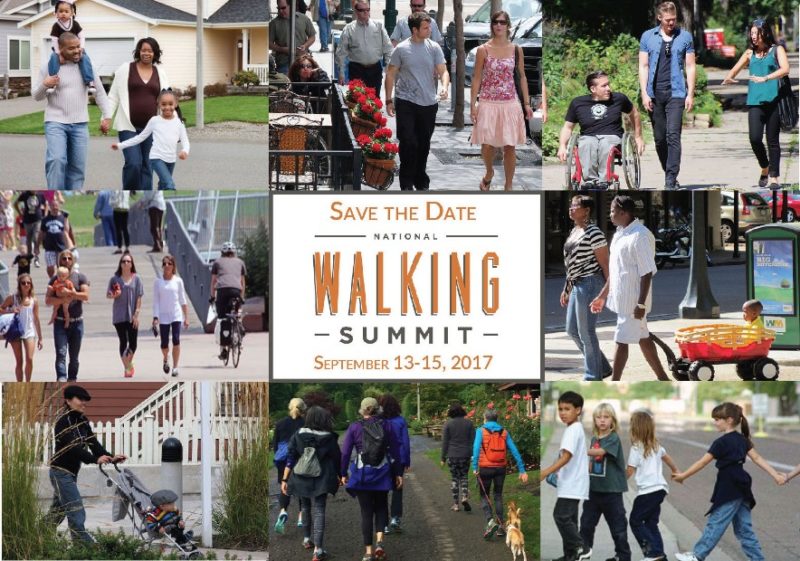
America Walks and the Every Body Walk! Collaborative are offering scholarships for the 2017 National Walking Summit, "Vital and Vibrant Communities: The Power of Walkability," to be held in St. Paul, MN from September 13-15, 2017. They are waiving the $375 fee for 100 attendees. Walkability increases access to basic needs and services and creates vital and vibrant communities, which encourages involvement and supports a high quality of life for everyone and overcome existing disparities. Latino neighborhoods often lack safe places to walk and access to basic needs and services, thus face higher rates of obesity, diabetes, and heart disease. This Summit will expand what is meant by the term healthy to include not only physical health, but also the social, economic, and civic ...