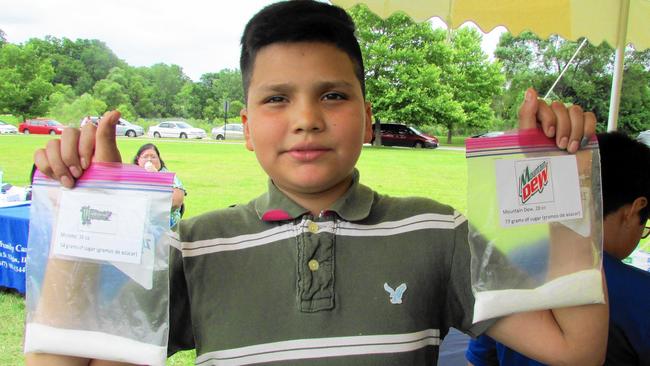
The Advocate Sherman Hospital in the city of Elgin, Ill. (43.6% Latino) is the only hospital in the area that is offering the community healthier options, and now they are also taking a step forward to educate the community about the health risks of drinking sugary beverages. Since 2015, Advocate Sherman Hospital joined all hospitals in the Advocate Health Care system to offer healthier drinks in their hospitals giving patients, visitors and employees more low-sugar or no-sugar options. As part of the efforts to reduce consumption of sugary beverages like soda, energy drinks, and sports drinks, community outreach efforts to educate the public on the amount of sugar in beverages have also taken effect. People like Luis Villalobos, a nursing assistant with Advocate Sherman Hospital ...
A new city ordinance for healthier vending machines was approved by the Fayetteville mayor, requiring all city vending machines to comply with nutrition standards and label calories. The calorie content will be displayed on all products in vending machines across all buildings and property owned or operated by the city. According to Voices for Healthy Kids, the city of Springdale, Ark., was the first city to implement changes towards healthier vending machines on city property. In 2014, Arkansas was the number one state in the top ten most overweight states with (35.9%) being overweight, and nearly 760,000 adults being obese in 2013, costing the state millions in obesity-attributable expenditures. Universities, Hospitals, and businesses have also been working across the state to ...
While hopes have long been high that digital technology would help improve the healthcare for America’s seniors; however, a new study suggests that fewer elderly have made strides online. The study, which surveyed thousands of Medicare patients, determined that only 5%-8% were going online to fill prescriptions, handle health insurance, or communicate with doctors. Also, only 16% were searching for health information online. “There's been this general belief that digital health technology will 'rescue' seniors, and improve their health care quality,” said Dr. David Levine, lead researcher on the study and an internist at Brigham and Women's Hospital in Boston. Researchers were surprised by the findings and did acknowledged that some seniors can be tech-wary or unable to afford ...
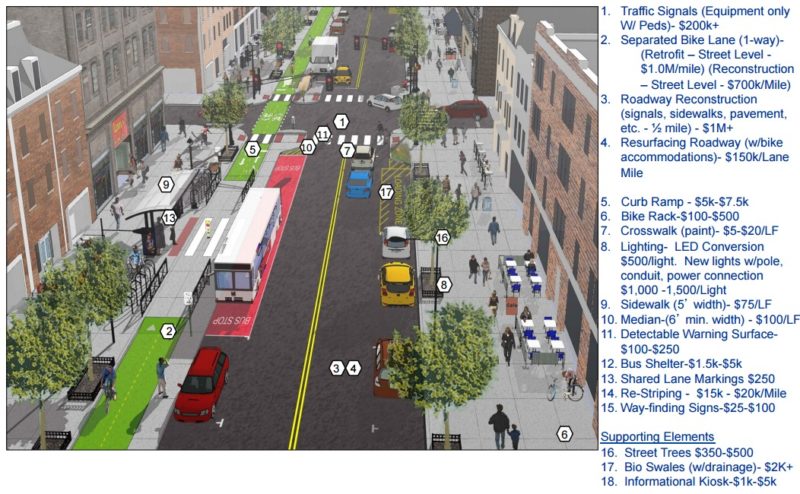
In April, 2014 the Governor of Massachusetts signed the Transportation Bond Bill, which authorized $50 million dollars for the creation of Complete Streets policies. Complete Streets are defined as streets that provide accommodations for users of all transportation modes including, but not limited to, walking, cycling public transportation, automobiles, and freight. States and local governments across the nation have adopted new policies for Complete Streets; however, some have been slow to put these policies into practice. In February 2016, Massachusetts (11.2% Latino) launched the Reimbursable Municipal Funding Program to incentivize Complete Streets projects across the state. The reward for municipalities that chose to participate is: Funding for technical assistance ...
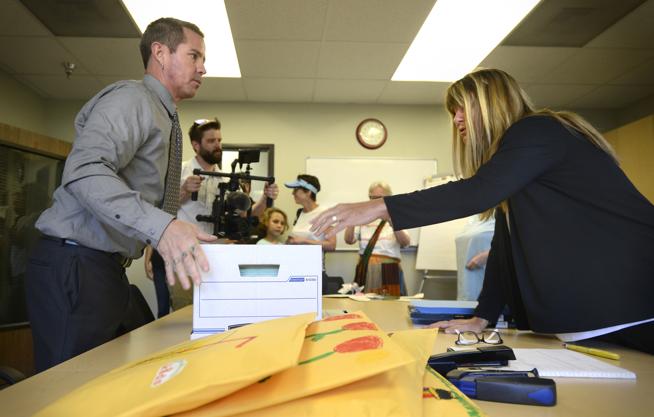
According to a local news article, Boulder, Colo. two new council-initiated proposals may become a part of three different proposals set for voters to decide on in November's ballot. Back in July, advocates for the soda tax were supported with over the amount of signatures required for the tax to be put on November's ballot. However, language was debated as to how the tax would be implemented without having a taxpayer bill of rights provision, required to allow the city to raise local government tax. After working with local City Attorney Tom Carr, a single ballot title was created with implementation guidelines of the tax and legally defensible language to help defend against naysayers of the tax. The council has recommended placing the tax proposal on the November ...
The National Institute on Minority Health and Health Disparities (NIMHD) has committed nearly $31 million over the next five years toward launching a new program for “Transdisciplinary Collaborative Centers (TCCs)” that will research health disparities and explore the potential for precision medicine to promote health equity for minorities. “Ultimately, the TCCs will generate new knowledge about precision medicine that resonates from the community level to the national population level,” said Dr. Eliseo J. Pérez-Stable, Director of the NIMHD. Although many scientific and technological advances have improved the overall health of the U.S., several racial/ethnic minority, socioeconomically disadvantaged, and rural populations continue to experience a disproportionate share of ...
In 2012, Travis County (33.9% Latino) voters approved a proposition to raise property taxes to support health care initiatives in Central Texas, which included $35 million annually for the Dell Medical School. Less than four years later, on June 26, 2016, the University of Texas at Austin Dell Medical School opened their doors to their first class of students. Twenty-two percent of the first class identifies with racial or ethnic groups historically underrepresented in medicine, compared to the national average last year, which was 13 percent, according to one source. “We simply cannot create the transformative changes we envision without a strong connection both to vulnerable communities and to clinical programs that provide health care access to those communities,” Dean ...
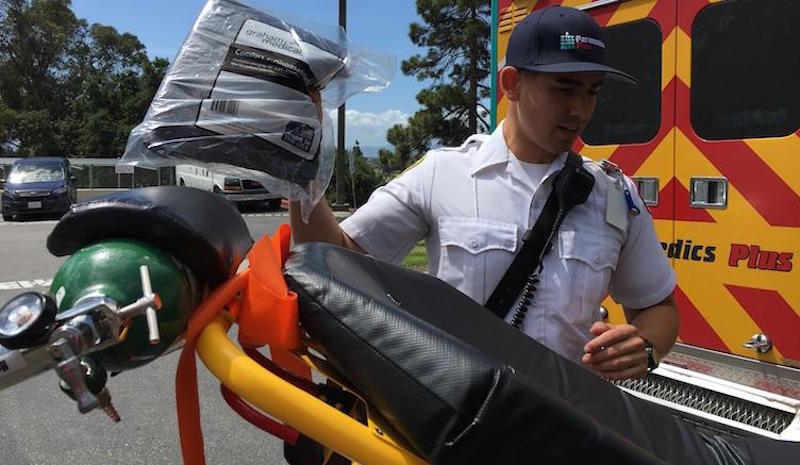
A California program trains Latino young men to become emergency medial technicians (EMTs), creating a path for success in areas where gangs and shoot-outs are all-too common, KALW reports. The five-month stipend program, EMS Corps, is part of the Alameda County Public Health Department. EMS Corps participants, who are ages 18-26 and mostly Latino or another minority, are be trained and educated to become EMTs. EMTs work with paramedics to provide medical care in the field during an emergency. They go through daily classes, tutoring, physical fitness, and professional and career development workshops. They also get life coaching and mentoring. “It takes them on a journey of discovery of who they are—what their strengths are and what they value most in this life,” life ...
Several barriers affect Latinos when it comes to accessing quality health care. Finances, communication, and transportation are three of the most prevalent issues. In North Carolina, these issues, especially communication, are especially acute. Latinos who do not speak English often have to pay extra in rural areas of North Carolina to have a translator with them at their doctor’ “Probably one of the biggest problems [at the Greater Hickory Cooperative Christian Ministry (GHCCM)] is communication,” said Sue Troutman, a registered nurse at GHCCM. “If they don’t speak good English, they miss things. Sometimes they don’t know what’s available and that’s partially to the translation barrier.” Even when translators are on staff, the possibility exists that something is ...